

▸ 🇮🇷 A MoU for Iran that kicks the can down the road
▸ 🇱🇾 Massad Boulos continues to push negotiations in Libya
▸ 🇹🇳 Tunisia faces increased anger over football loss
▸ 🇷🇺 Ukrainian drone attack on the Russian capital
As the United States and Iran signalled a mutual interest in finding an end to the conflict, older conflicts once again made international headlines.
The Russian invasion of Ukraine, which has now lasted longer than the First World War, returned to the forefront as Ukrainian drones struck oil infrastructure in the Russian capital.
The U.S.-Iran war has commanded much of the world's attention over the past three months, diverting focus from ongoing crises in places such as Libya, Tunisia, and Ukraine.
In Libya, the Trump administration, through the efforts of Massad Boulos, has pushed forward with negotiations, while Tunisia has been rattled by its recent loss at the World Cup.
Ukraine's bold attack on Moscow served as a reminder that the conflict remains just as volatile as it was years ago, and that Iran is only one of many international challenges confronting Trump.
Even there, Trump may be forced back into the conflict sooner than he would like, with the recently signed MoU already showing signs of strain.
Now,
Lets get into it
Kicking the ball down the road
What happened: After months of muscle diplomacy, the U.S. and Iran signed a 14-point MoU formally ending hostilities and ceasing maritime traffic restrictions in the Gulf.
Why it matters: The MoU signals to markets the end of the Iran war, but in practice leaves an extendable 60 days for technical teams to resolve the utterly complex issues of limiting Iran's nuclear programme and lifting multi-layered U.S. sanctions.
What it means: The MoU is a thinly defined roadmap where both sides only agreed on the overlapping section of a Venn diagram. Israeli strikes on Lebanon, U.S. backtracking forced by domestic politics, and IRGC desire to prove continued leverage are likely to spoil talks to achieve a final deal and bring renewed but manageable uncertainty to global markets.
Read the full analysis:
 The Geopolitical Desk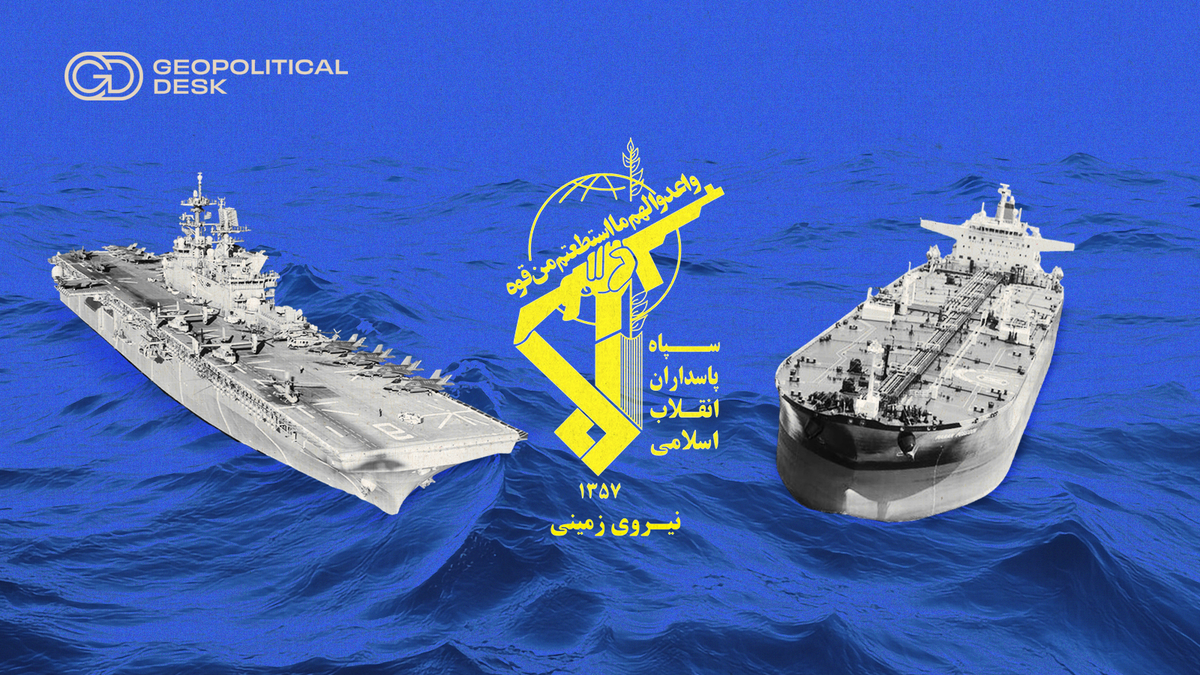
 The Geopolitical Desk
Massad Boulos continues to push negotiations in Libya
What happened: U.S. Special Advisor for Africa Massad Boulos revealed in an interview with British media that he plans to unite the Dabaiba and Haftar families in a new unity government.
Why it matters: The announcement is the first public acknowledgement of the talks, which Libya Desk has covered in its previous reporting over the past few months. It also confirmed Boulos' plan to have Libyan National Army (LNA) Deputy Commander Saddam Haftar become Chairman of the Presidential Council, while Government of National Unity (GNU) Prime Minister Abdulhamid Dabaiba would retain his position.
What it means: There are still plenty of roadblocks to any future unity agreement, but the announcement and reports that negotiations are moving forward suggest that Boulos is confident in the progress made so far.
Read the full analysis:
 The Geopolitical Desk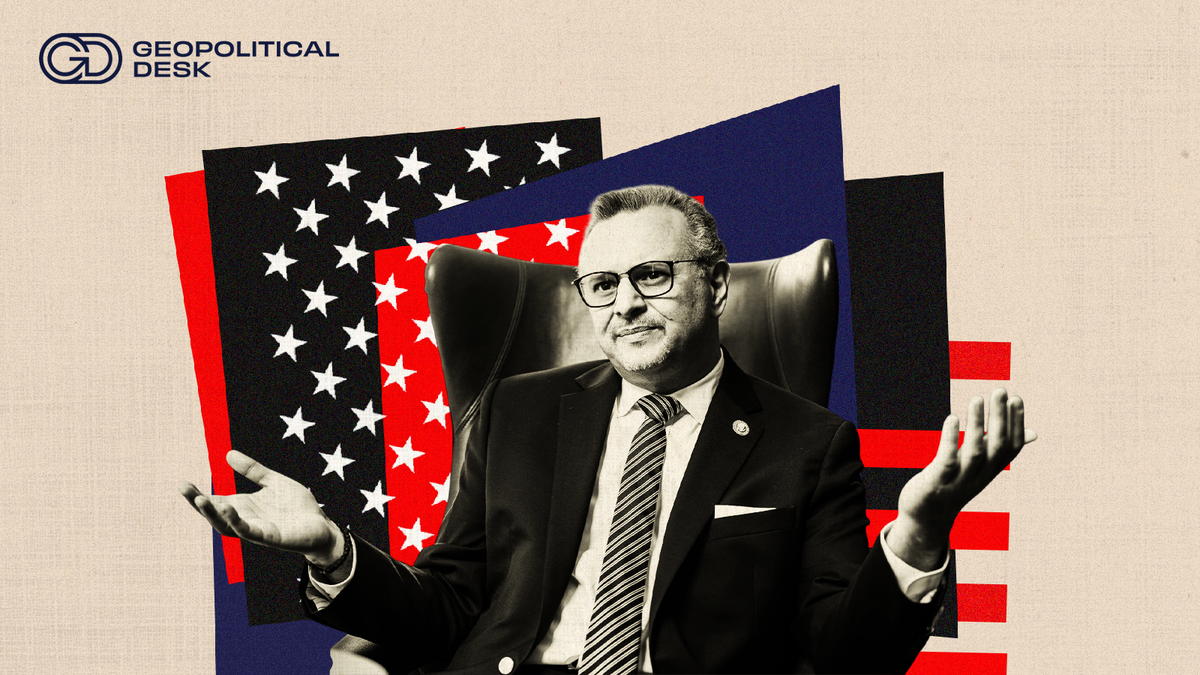
Tunisia faces increased anger over football loss
What happened: Tunisia's national football team lost 5-1 to Sweden in its opening match. Following the defeat, the coach was dismissed as Tunisians across the country expressed anger towards the government.
Why it matters: Tunisian President Kais Saied has clamped down on dissent in the country as it continues to face a major economic crisis. Frustration over the defeat was less about the match itself and more a pressure valve for Tunisians across the country to express their anger without fear of reprisal.
What it means: It was a rare instance of unity in a heavily divided country, and the sport, which is extremely popular, could become a lightning rod for protests if the team continues to struggle. Saied has been able to retain power by exploiting political divisions within the country, but the unifying nature of the sport could ultimately threaten to bring protesters onto the streets if the team is eliminated.
Read the full analysis:
 The Geopolitical Desk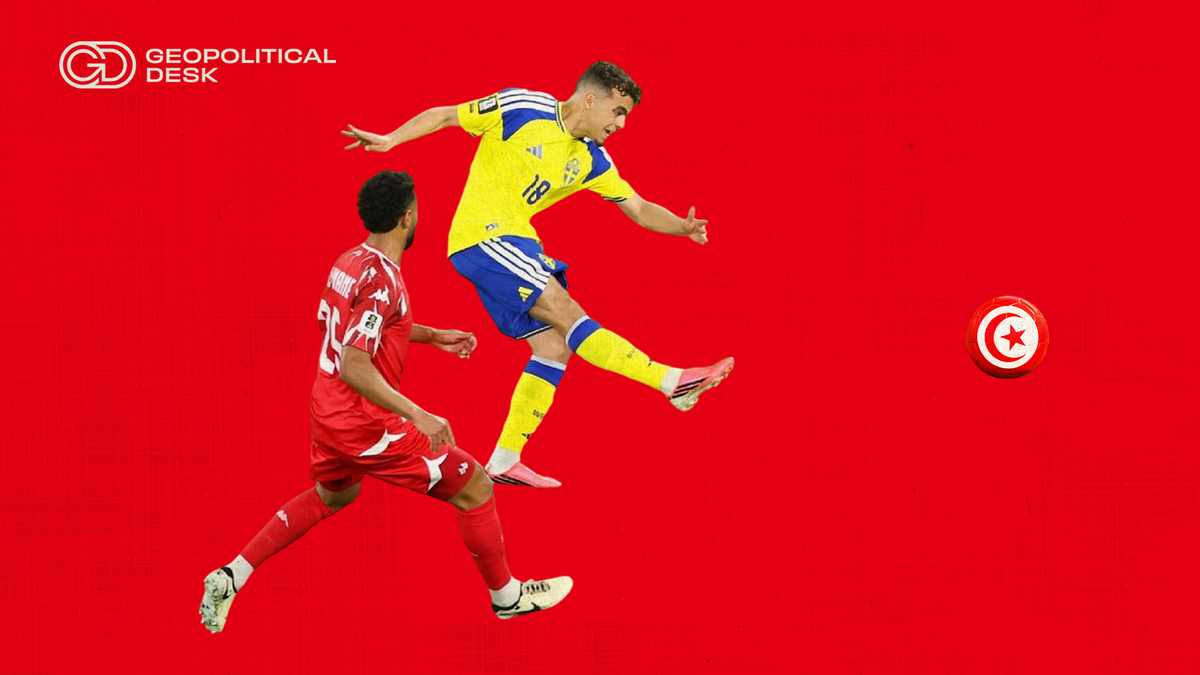
Russia and Ukraine strike each other’s capitals
What happened: At the beginning of the week, Russia launched a series of drone and missile strikes on multiple Ukrainian cities, including Kyiv, damaging the Pechersk Lavra Monastery, one of the holiest sites in Eastern Christian Orthodoxy. Ukraine responded by launching multiple drones at the Russian capital, Moscow, notably striking a large oil refinery and creating toxic clouds above the city.
Why it matters: Ukraine demonstrated that it has developed the capability to strike deep into Russia and is willing to retaliate against attacks on its major cities. It also highlights how Ukraine's strategy of domestically producing inexpensive combat drones is paying off, as they are contributing to its recent success on the battlefield.
What it means: This does not mean the war is likely to end soon, despite many Moscow residents waking up shocked to realise they were under attack. Russians have remained relatively insulated from the war so far, and attacks like this are unlikely to turn public opinion against it. However, it does demonstrate that Ukraine has been able to build resilience despite reduced support from the United States, and that Russia is likely to face an increasing threat of future Ukrainian attacks the longer this war lingers.
As always, thank you for reading and for your continued support.
Feel free to reply with feedback or suggestions.
See you next week,
The Geopolitical Desk team
P.S. Please forward this to anyone who might find it useful. If you’re reading this second-hand, you can sign up for our free newsletter here.
Professionals across energy markets, diplomacy, risk advisory and investment use GPD Intelligence to track geopolitical developments before they move markets.
If you find this coverage valuable, you can unlock the full Intelligence briefings and scenario analysis.


