

▸ 🇸🇩 A battle brewing around El Obeid
▸ 🇬🇧 The United Kingdom loses its PM
▸ 🇮🇷 A breakdown of Iranian and U.S. strategies in the Ramadan War
It's been a hot one across Europe this week, with record breaking heat across both the United Kingdom and France.
Summer is truly here, and with it comes a new British Prime Minister as Keir Starmer announces he is stepping down as Labour leader.
Additionally, we monitor the evolving situation in Sudan, and how a new fight is gearing up in the center of the country that could determine the pace of negotiations.
We also have new in-depth analysis on Iran’s military conduct during the Ramadan War, seeing how it performed against the U.S., and how both sides might adjust their tactics if the MoU breaks down.
Lastly, The Geopolitical Desk is active on both X and Instagram, where we post our new articles as soon as they are published, provide exclusive insights, and deliver custom content. Hope to see you all over there!
Now,
Lets get into it
A battle brewing around El Obeid
What happened: The Rapid Support Forces (RSF) in Sudan are gathering forces for a potential attack on the central city of El Obeid, which is currently held by the Sudanese Armed Forces (SAF).
Why it matters: With both the RSF and the SAF weakened by three years of constant fighting, both sides are moving towards renewed negotiations to end the war. However, the RSF and their leader, Hemedti, want to strengthen their position at the negotiating table and see the capture of El Obeid as a way to increase their leverage.
What it means: The battle likely means that negotiations will not be able to begin until it is over, which could take months. The RSF's siege of the western city of El Fasher lasted for weeks and proved devastating for the city. El Obeid could suffer a similar fate, leading to thousands more casualties, all in pursuit of a stronger negotiating position.
Read the full analysis:
 The Geopolitical Desk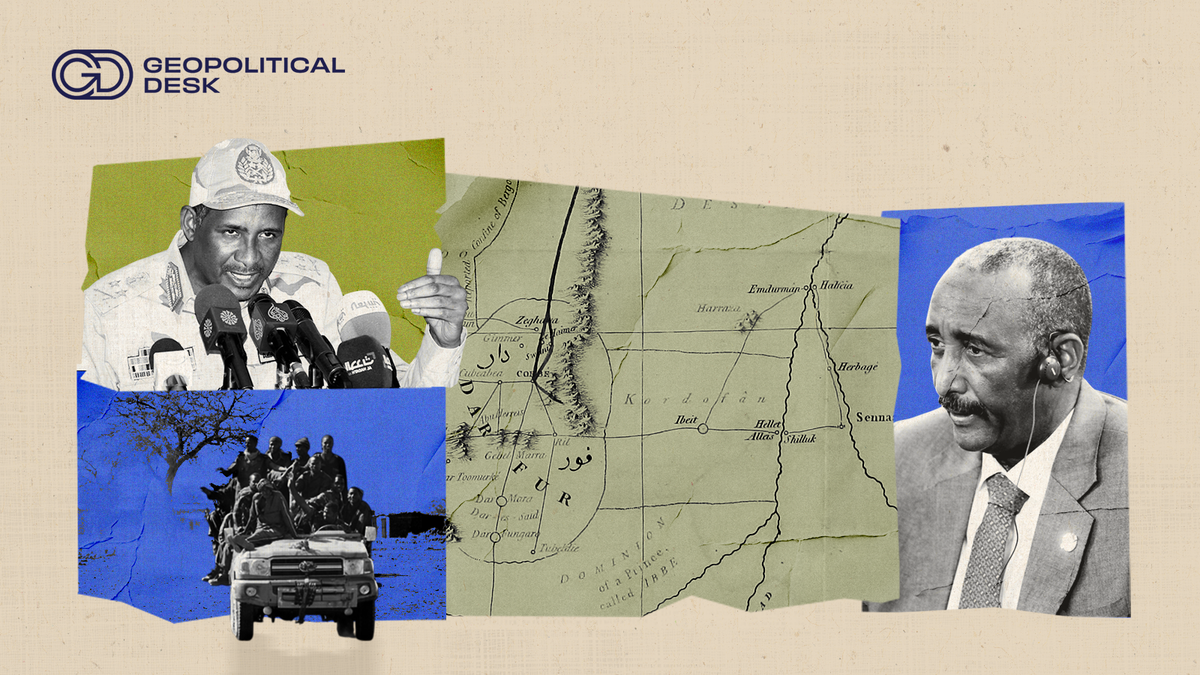
The United Kingdom loses its PM
What happened: U.K. Prime Minister and Labour Party leader Keir Starmer announced his plans to step down as leader of the party, triggering a leadership election that is likely to be won by newly elected Makersfield MP Andy Burnham.
Why it matters: Starmer's Labour government, which commands a large majority in the U.K. Parliament, has struggled to govern over the past year. Starmer was criticised for being indecisive and attempting to emulate the migration policies of the far-right Reform Party, while also facing multiple crises involving former U.S. Ambassador Peter Mandelson's connections with Jeffrey Epstein. Starmer had tried to head off challenges to his leadership for months, but ultimately stood down following Andy Burnham's rise as an MP.
What it means: Burnham is Labour's most popular politician and appears likely to become the party's next leader and Prime Minister. Many hope he can reinvigorate Labour's declining support, as it continues to struggle against opposition parties on both the right and the left.
A breakdown of military strategies in the Ramadan War
In a recent report from The Geopolitical Desk, we break down how Iran fought a war it could not win outright but could not afford to lose, and how it threaded that needle. The analysis unpacks the effectiveness and limits of Tehran's military strategy while answering critical questions, including:
- Why Iran's underground missile cities, mobile air defence, and asymmetric naval tactics consistently outperformed Western pre-war estimates.
- How Tehran's strategy shifted mid-war, from an indiscriminate "shock doctrine" campaign to a calibrated, retaliatory posture, and why Iranian strategists may abandon that restraint in a future round.
- Where Iran fell short of its own war aims, from an untouched U.S. Navy to an energy shock that never reached market-moving scale.
While hostilities have ended with the signing of a memorandum of understanding, the risk of a return to conflict remains just below the surface. The report also examines how both Tehran and Washington are likely to adjust their military postures based on the war's lessons, and what that recalibration could mean for the Gulf and the wider region.
Originally available only to paid subscribers, The Geopolitical Desk has made the report available free of charge to everyone for a limited time.
Read the full analysis:
 The Geopolitical Desk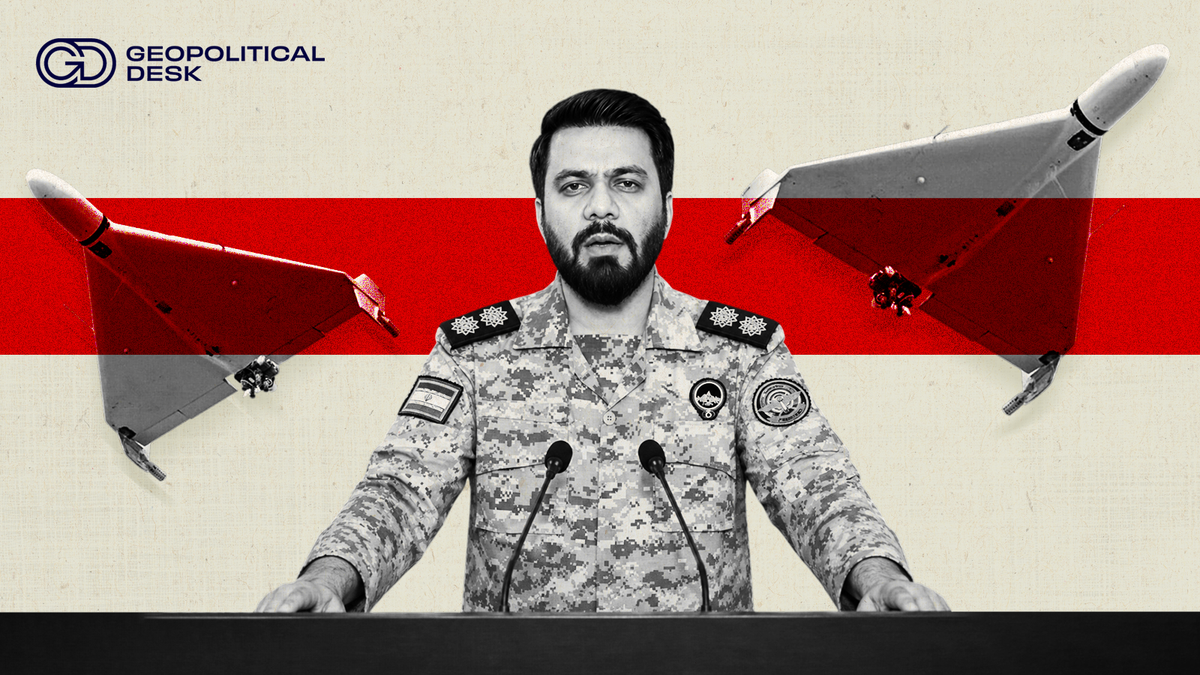
What happens next after the MoU deal?
Exclusive for intelligence subscribers, this recent report from The Geopolitical Desk details the situation surrounding the recent Iran-U.S. MoU and the risks facing its full implementation.
Both the United States and Iran have reasons to try to see this MoU develop into a full agreement, as it would help rebalance a long and difficult relationship. However, the current internal political complexities in each country, combined with the continuing war in Lebanon, make the MoU’s success unlikely.
In this report, we analyse the greatest risks facing each country and what this deal could mean for the future of the Gulf.
As always, thank you for reading and for your continued support.
Feel free to reply with feedback or suggestions.
See you next week,
The Geopolitical Desk team
P.S. Please forward this to anyone who might find it useful. If you’re reading this second-hand, you can sign up for our free newsletter here.
Professionals across energy markets, diplomacy, risk advisory and investment use GPD Intelligence to track geopolitical developments before they move markets.
If you find this coverage valuable, you can unlock the full Intelligence briefings and scenario analysis.


