


▸ 🇹🇳 Tunisia's power crisis
▸ 🇫🇷🇸🇦 France and Saudi entertainment diplomacy
The electrical crisis in Tunisia continues to worsen, as the government is forced to implement uncoordinated power cuts that are only driving further anger.
France and Saudi Arabia’s leaders share their love of Dragon Ball Z as they dream of further entertainment cooperation.
On the website, we delve further into the conflicts in Sudan and Ethiopia, and how both of them are becoming increasingly intertwined.
Now,
Lets get into it
Heatwaves, power cuts and water shortages push Tunisia towards a breaking point
What happened: A new heatwave struck Tunisia this week, with temperatures approaching 50°C in parts of the country. As during previous heatwaves this summer, the electricity grid struggled to meet surging demand. This time, however, several crises converged: longer and more severe power cuts, widespread water disruptions and a shortage of bottled drinking water. With little government communication over when or where outages would occur, households across the country were left without electricity, running water or reliable access to drinking water.
Why it matters: The power cuts appear to have been poorly coordinated, affecting factories, farms, essential businesses, hospitals and even affluent tourist areas. Water-pumping stations and bottling facilities were also disrupted, compounding existing water shortages and reportedly forcing retailers to ration bottled water. Rather than managing pressure on the grid through planned and clearly communicated load-shedding, the authorities allowed failures in one system to cascade into others. The result was a perfect storm exposing Tunisia’s lack of contingency planning and the deterioration of its basic services.
What it means: As in neighbouring Libya, years of underinvestment and mismanagement are pushing public services towards increasingly frequent and interconnected failures. Yet President Kais Saied retains an important political advantage: although his government is deeply unpopular, many Tunisians remain even more hostile towards the political class that preceded him, which they associate with corruption, economic decline and the monopolisation of wealth. When former President Moncef Marzouki attempted from Paris to capitalise on protests over power cuts last month, his intervention arguably helped the authorities portray the unrest as an attempt by discredited former elites to return to power.
Risk metre: This political shield is weakening as living conditions deteriorate. Opposition figures may still lack the credibility needed to mobilise a broad movement, but Tunisia’s deepening service failures could eventually make that irrelevant. If electricity and water disruptions persist, particularly without clear communication or visible remedial action, demonstrations could become less politically organised, more spontaneous and considerably harder to contain. Tunisia may not be on the verge of nationwide unrest today, but it is becoming increasingly difficult to see how some form of civil eruption can be avoided if the country remains on its current trajectory.
Further analysis:
 The Geopolitical Desk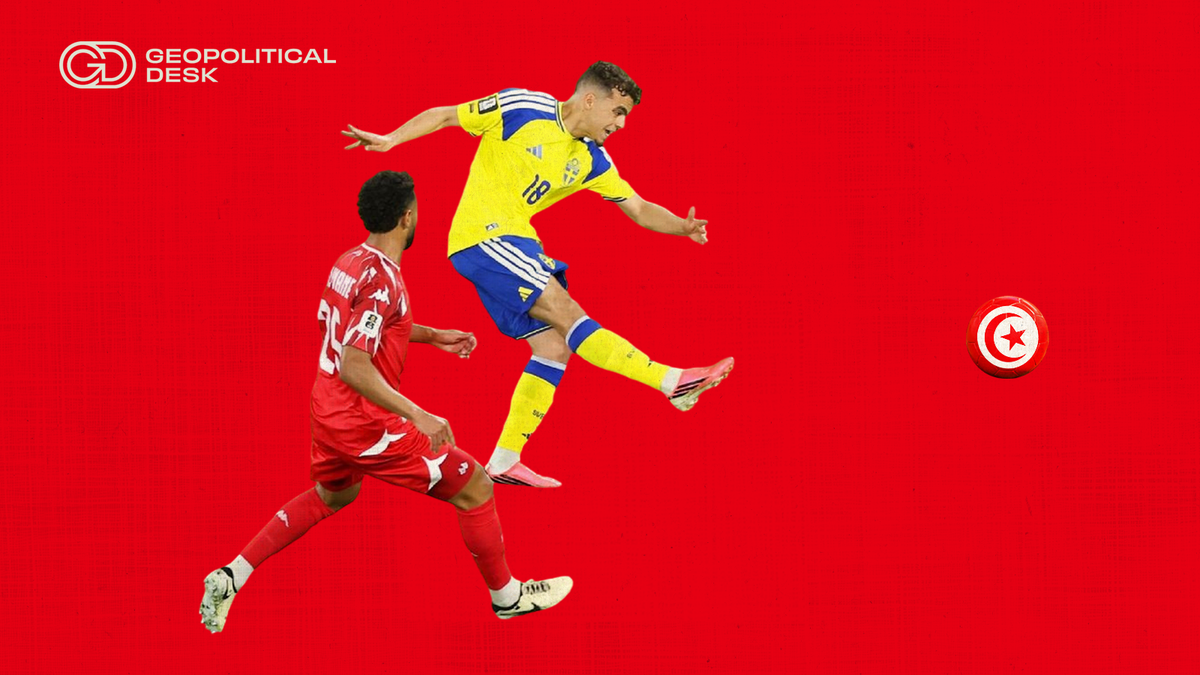
Saudi Crown Prince mixes personal passion and strategic thinking in Paris
What happened: Saudi Crown Prince Mohammed bin Salman, an avid gamer, attended the Esports World Cup closing ceremony in Paris on August 23, hosted by President Macron. The tournament, run by a Saudi-funded nonprofit under the Public Investment Fund (PIF), relocated from Riyadh this year amid regional insecurity following the Iran war. The next day, Macron and MBS signed a memorandum of understanding for a €6bn ($7bn) investment in three theme parks forming one complex in Cergy-Pontoise, led by Qiddiya, the PIF's entertainment arm, with one park expected to be Dragon Ball themed, a shared passion between Macron and MBS discovered during a December 2024 meeting in Riyadh.
Why it matters: The parks would rise on the site of Mirapolis, France's first American-style theme park, which shut in 1991 after just four years and has sat derelict for 35 years. Macron pitched the project as creating 22,000 direct jobs, calling it "unseen since Disneyland Paris." France is widely cited as Europe's largest manga market, and PIF's wider portfolio includes a stake in the company owning Toei Animation, the Japanese studio behind Dragon Ball and One Piece. The deal reads as a legacy play for Macron, banking a tangible "Choose France" win as his final term ends early next year.
What it means: Saudi entertainment investment has so far skewed heavily towards the U.S., including a $55bn EA buyout and PIF has named the U.S. as its largest investment partner outside Saudi Arabia. But paired with the Mecca pact signed with Turkey and Pakistan earlier this month, this French push reads as part of a deliberate effort to show Riyadh can diversify its partnerships, on both security and economic fronts, rather than betting everything on Washington. The entertainment push more broadly fits Vision 2030's drive to diversify the economy beyond oil, while also serving as a soft-power play to recast Saudi Arabia's image away from that of a conservative kingdom.
Risk metre: The deal faces steep execution risk as it remains a non-binding memorandum, with financing, ownership and construction timelines still unset while Riyadh's reputation remains rocky among parts of French civil society. Qiddiya's own Dragon Ball park in Riyadh, under development since 2024, has yet to open either.
Further analysis:
To learn more about Saudi Arabia’s growing role in U.S. entertainment, read this article from The Geopolitical Desk’s article.
 The Geopolitical Desk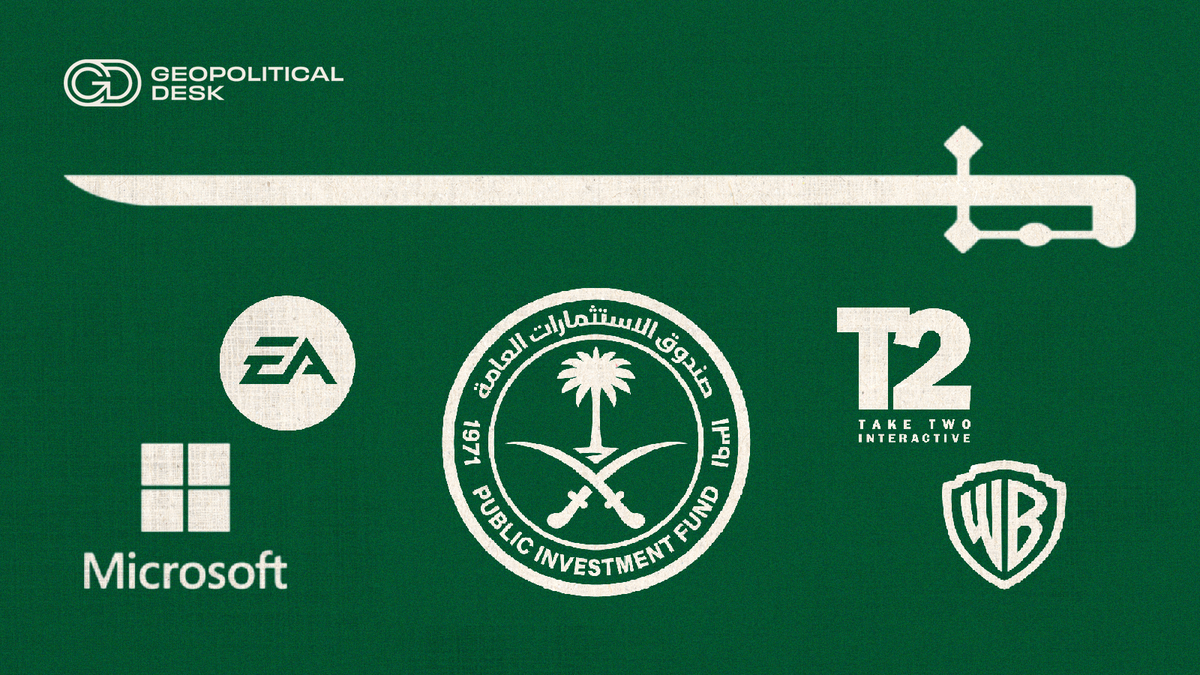
The merging of Sudan and Ethiopia’s wars
Sudan and Ethiopia have been dealing with their own crises and armed conflicts for the past couple of years, but as these conflicts continue to devolve, they are increasingly becoming cross-border issues as the existing rivalry between the two countries worsens.
 The Geopolitical Desk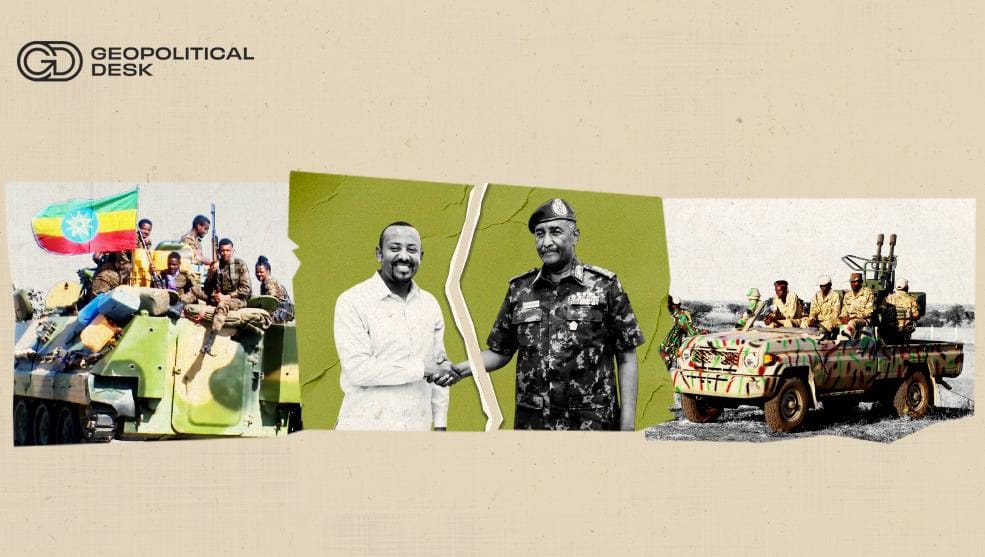
Iraq’s disarming gamble
Iraq’s Prime Minister Ali al-Zaidi is attempting to rein in the few armed groups that maintain independence from Baghdad. Al-Zaidi continues to find himself in a difficult position between the United States and Iran, while trying to strengthen his government and balance the country’s international partnerships.
 The Geopolitical Desk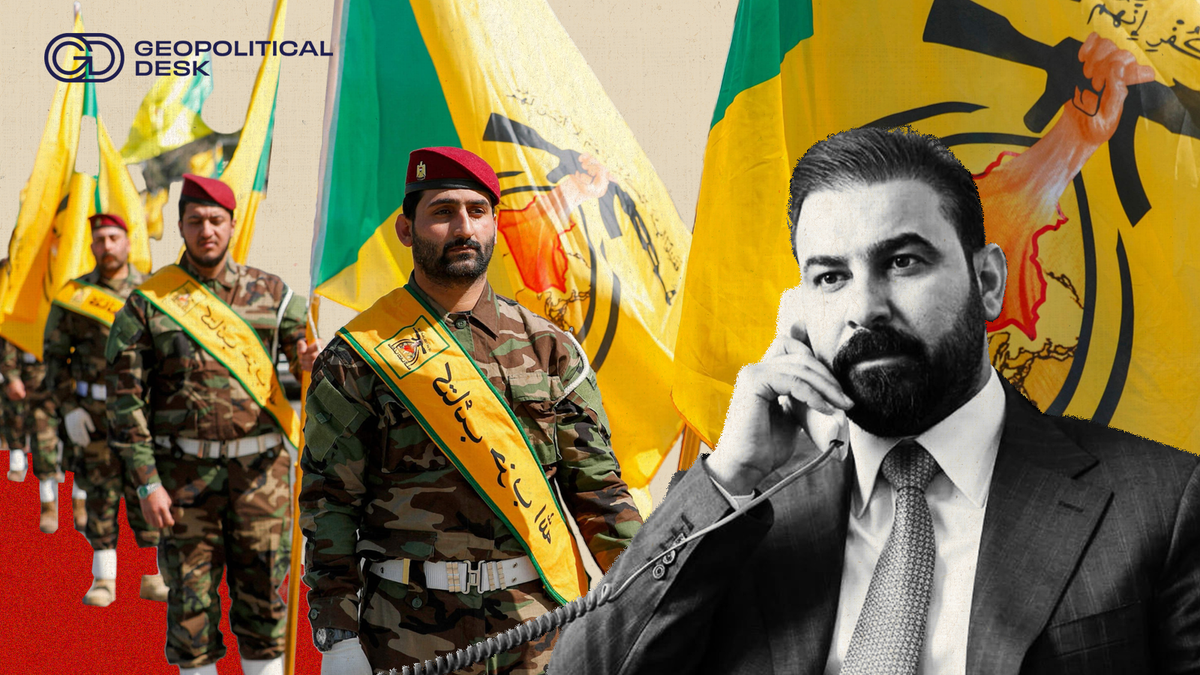
Libya’s summer energy issues
A free preview of one of our articles available only to Libya Desk Energy Insight Subscribers. Originally published in the July 2026 issue, this article detailed the increasing energy crisis in the country and the occupation of one of western Libya’s largest energy facilities by protesters.
 The Geopolitical Desk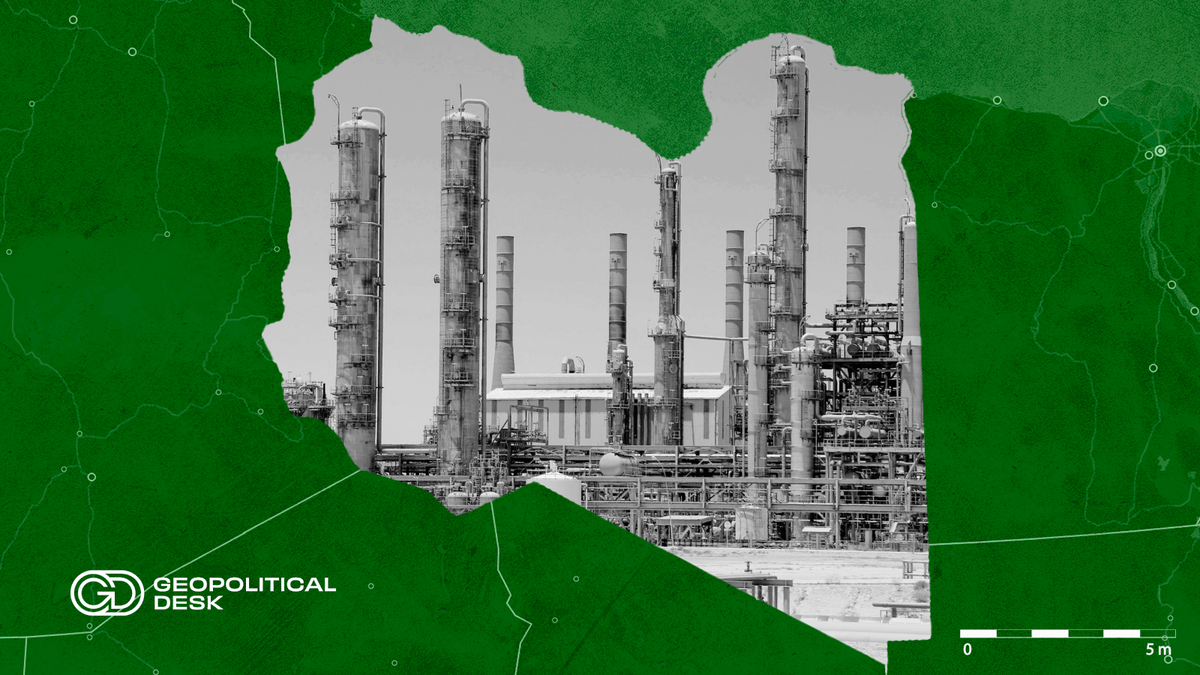
As always, thank you for reading and for your continued support.
Feel free to reply with feedback or suggestions.
See you next week,
The Geopolitical Desk team
P.S. Please forward this to anyone who might find it useful. If you’re reading this second-hand, you can sign up for our free newsletter here.
Professionals across energy markets, diplomacy, risk advisory and investment use GPD Intelligence to track geopolitical developments before they move markets.
If you find this coverage valuable, you can unlock the full Intelligence briefings and scenario analysis.



