


▸ 🇱🇾 Libya’s HoR ratifies maritime agreement with Turkey
▸ 🇮🇷 Diplomatic window narrows as Israel pushes for another round
▸ 🇻🇪 Venezuela sees largest protests since capture of Maduro
We are about to enter a busy election period, with votes scheduled in Brazil, Serbia, Israel and the U.S., following all the candidates and campaigns has been a busy job. But it is what might come after the vote which concerns us most.
The U.S. and Israel are building up their forces once again in what analysts fear will be another round of bombings on Iran in the aftermath of the U.S. midterms and Israeli Knesset elections.
A country which however does not have any elections planned anytime soon is Venezuela, where impatience among the opposition has risen so high they are now rallying in the streets.
But the most dramatic news of the week came from eastern Libya, where the LNA-backed House of Representative ratified a controversial maritime demarcation deal with Turkey, in what many see as a clear break with the east’s traditional allies such as Egypt, Greece and the UAE.
Now,
Lets get into it
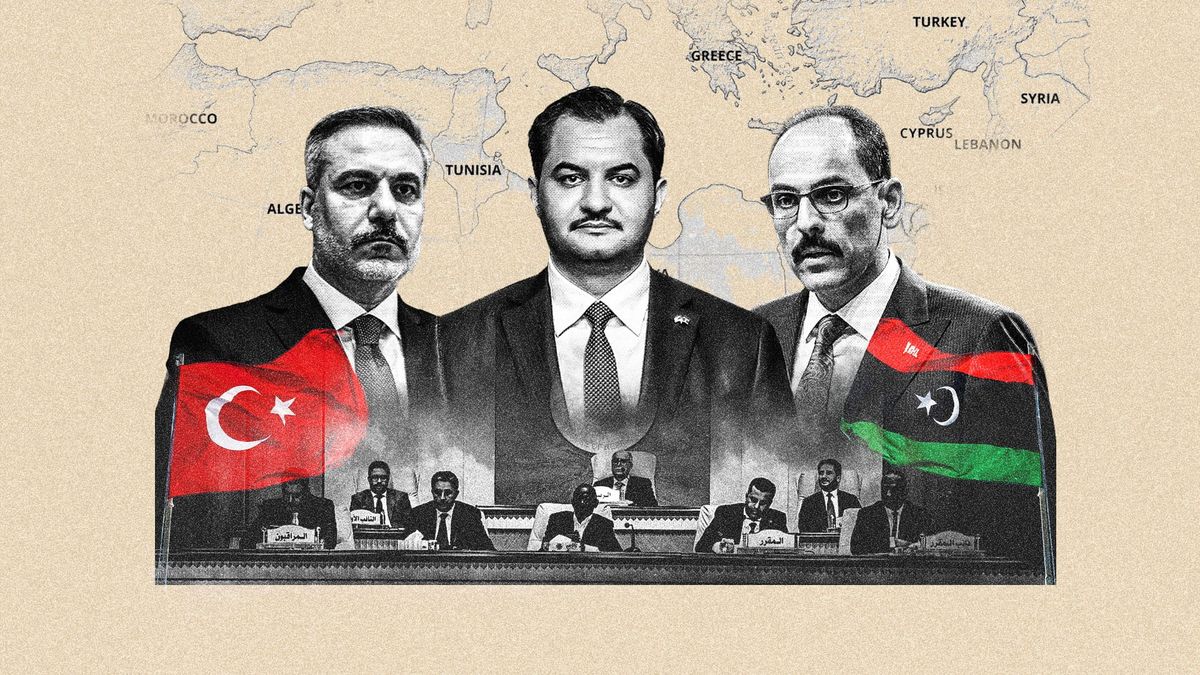
Libya fully ratifies the 2019 Turkey-Libya Maritime Agreement
What happened: The House of Representatives (HoR), based in Benghazi, announced that it had unanimously voted to adopt the 2019 Turkish-Libyan Maritime Agreement, which grants Turkey rights to explore for gas across large sections of the eastern Mediterranean. This was met with regional condemnation from Greece, Cyprus, the EU, Egypt and Israel, all of which view Turkey’s claims as infringing on their territorial waters.
Why it matters: Ratification has been a lengthy process, as the agreement was first introduced in 2019 and signed by Libya’s then Government of National Accord, based in Tripoli. The deal helped secure Turkish support for western Libya and has remained a key Turkish objective for years. However, as much of the maritime territory claimed by Turkey under the agreement lies off the coast of eastern Libya, the support of the eastern-based Libyan National Army (LNA) was necessary. Relations between the LNA and Turkey were previously hostile. However, the ratification demonstrates how Turkish-LNA relations have evolved over the past few years, with former adversaries becoming strategic partners.
What it means: Ratification was one of the final hurdles in building trust between the LNA and Turkey, as the agreement had remained in legal limbo within the HoR for the past year. This final step indicates that the LNA is willing to expand its relations with Turkey. For Ankara, it also provides the necessary political backing to pursue a unity government. Turkey had been lukewarm towards US and UN initiatives to establish a new unity government, fearing that it would lose influence. However, with all Libyan factions now recognising the agreement, Turkey could use its influence to encourage western factions to agree to unity talks.
Risk metre (High): The ratification has prompted regional backlash, as almost every country in the region has publicly rejected it. If Greece, Cyprus, the EU, Israel and Egypt were to coordinate their efforts, they could potentially undermine Turkish attempts to implement the agreement. However, many of these actors are also likely to be unwilling to damage their relations with the LNA. Several have already established ties with the LNA or have been strengthening them. With momentum growing towards the LNA becoming a major part of a unity government, these countries are unlikely to want to jeopardise their positions in a future Libyan state.
Read more of our recent Libya coverage here:
 The Geopolitical Desk
Diplomatic window narrows as Israel pushes for another round
What happened: Diplomatic traffic to Tehran intensified this week amid mounting fears of renewed war between Iran, Israel and the U.S.. Russian Foreign Minister Sergei Lavrov visited on 19 October, and the following day top security official Mohsen Rezaei publicly refused to let a single gram of enriched uranium leave the country, in what amounted to a rejection of Moscow’s plan to take the stockpile. Pakistan’s army chief Asim Munir was also in Tehran that day to press the leadership to take a more conciliatory line in its diplomacy, and a Qatari delegation arrived that same night. On 23 October, the E3+Italy and the R4 grouping of major regional powers met in Istanbul for the first time to discuss ways of averting a conflict that has brought a record number of attacks on shipping this month. Tehran’s diplomacy has amounted to a take-it-or-leave-it offer to the U.S. of a return to the June MoU.
Why it matters: None of the mediators carries much weight. Pakistan has lost standing in Tehran after yielding to U.S. pressure to limit its role as an alternative trade corridor for blockaded Iran, notably by adding administrative hurdles at border crossings. The real decision lies with Jerusalem, which believes another round of top-level assassinations and bombings could tip the balance and bring down the Islamic Republic. It also lies with Trump, who sees a strike on Pickaxe Mountain, one of the few nuclear sites left untouched, as a way to wrap up his war after the midterms. The stakes reach well beyond the region, with protesters in several countries, including France, regularly citing the conflict-driven rise in energy prices as a source of anger.
What it means: Electoral politicking, especially in Israel, inflates part of the war rhetoric, but hostility to Iran remains an ideological cornerstone of the current U.S. and Israeli leaderships. Tehran is convinced war is coming and will be better prepared, with automatic retaliation plans designed to hit harder if its civilian infrastructure is struck. Its own heightened rhetoric is also a way to deter an attack by raising the expected cost of one. As such, U.S. bases are unlikely to be Iran’s main targets this time. Iran’s main fear is assassination by infiltrators rather than air strikes, and the protection of senior commanders is likely to leave much to be desired.
Risk metre (High): As we have flagged over the past two months, the diplomatic window has been closing. Our base case is another misstep by Israel and the U.S., followed by a genuine breakdown and blame game between the two allies that pushes Washington back towards negotiations.
Street protests seek to challenge U.S.-backed transition.
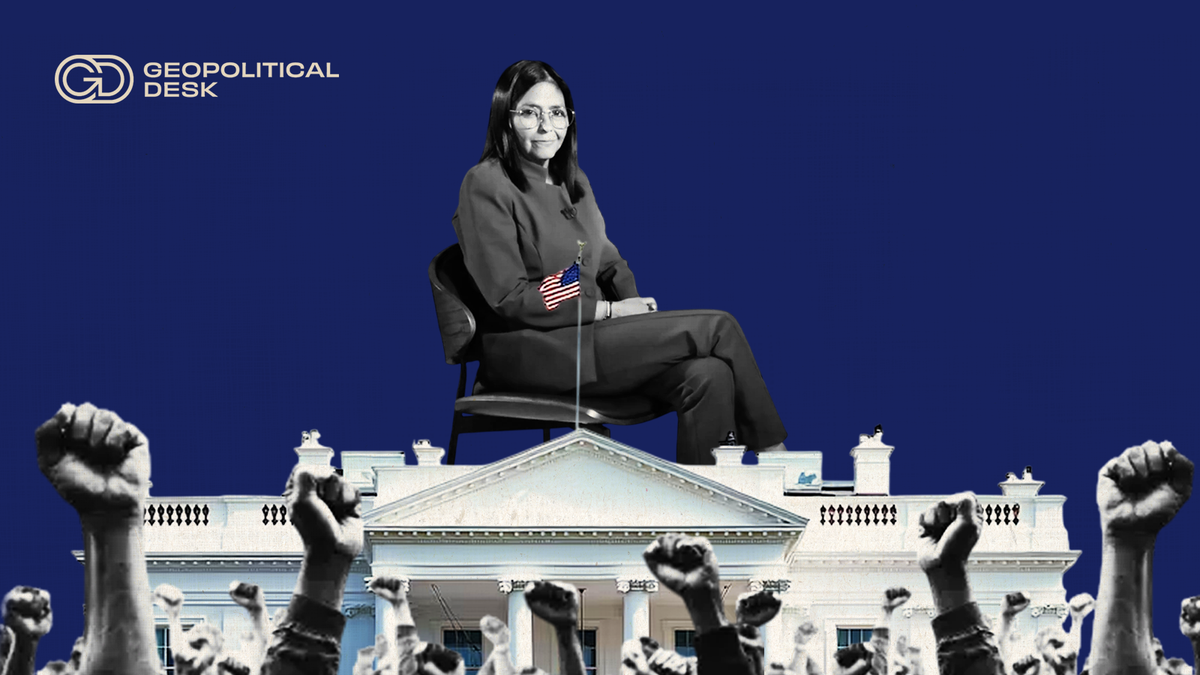
What happened: Several thousand Venezuelans gathered in cities all over the country on Thursday to demand early presidential elections as well as the return of opposition leader Maria Corina Machado, who had gone into exile a year ago and has since been denied the possibility to return. The protests come a day after the interim government of Delcy Rodriguez announced a deal with opposition negotiators on revising a number of repressive laws which had been implemented during her predecessor's reign. The agreement was presented as a boost to the political rights of Venezuelan citizens but almost immediately after the protests, Rodriguez resorted to her belligerent rhetoric, accusing protesters of trying to destabilize the country by spreading chaos.
Why it matters: The opposition’s call for nationwide protests have demonstrated a growing impatience with Venezuela’s political transition since the U.S. raid to capture Nicolas Maduro on January 3rd. While the U.S. has fully endorsed Delcy Rodriguez’ presidency, many within Venezuela fear she intends to turn her transitional mandate into a full presidential term. Pushing for early elections has therefore become a key demand of pro-democracy figures such as Maria Corina Machado.
What it means: Venezuela is navigating the fragile balance of a political transitional government which is internationally sanctioned but highly unpopular domestically. The government of Delcy Rodriguez seeks to entrench its own rule in the post-Maduro age, but is also forced to make symbolic gestures of a democratic opening towards the opposition at large. The opposition led by Maria Corina Machado continues to fill up this space and put increasing pressure on the regime for early elections and to allow for the return of Maria Corina herself.
Risk metre (Medium): The turnout of this round of protests remained quite small compared to earlier mobilisations by the Venezuelan opposition, so it is unlikely these rallies were the opening shot of a larger uprising against the ruling government. But points of friction remain. As long as Rodriguez continues to deny Machado’s entry into the country and remains vague about the potential date of a presidential vote, the opposition will continue to mobilise its base and seek to pressure the government through the streets.
We recently wrote an analysis of Delcy’s dilemma of seeking closer ties to the US without alienating her anti-imperialist base:
 The Geopolitical Desk
🇸🇾 Syria: Protests took place across southern Syria on Friday after Israeli forces shot dead a young man with a disability during a military incursion into the village of Jamlah (western Daraa). Frustration in the south has been growing with the government as Israeli forces from the Golan Heights have repeatedly entered southern Syria at will, conducting night-time raids in villages and arresting locals.
🇾🇪🇸🇦 Arabian Peninsula:On Tuesday, the UK announced it would send RAF fighter jets and pilots to help Saudi Arabia fend off Houthi drone and missile strikes, which have hit a number of targets since fighting in Yemen resumed over the summer.
🇸🇩 Sudan: In a very steep surge across the country, repeated drone strikes by both sides killed an estimated 160 civilians in just a few days. The deadliest incident took place in the disputed Abyei area, where a Sudanese Armed Forces drone struck a local market, causing a fire which led to the death of around 80 people.
🇺🇦 Ukraine: Despite public statements by American officials suggesting Starlink restrictions were resolved, Ukrainian military officers confirmed that terminals operating on fast-moving platforms remain capped at approximately 161 km/h (100 mph). The cap continues to disrupt interceptor drone operations tasked with downing fast Russian jet-powered UAVs and Shahed drones.
🇲🇱 Mali: Militants affiliated with the Islamic State in Sahel Province (ISSP) entered the city of Menaka and slaughtered and estimated 48 people in what was the largest massacre in the region in years. The fighters allegedly accused local residents of passing on ISSP positions to the Malian military.
Libya gets new Central Bank Leadership
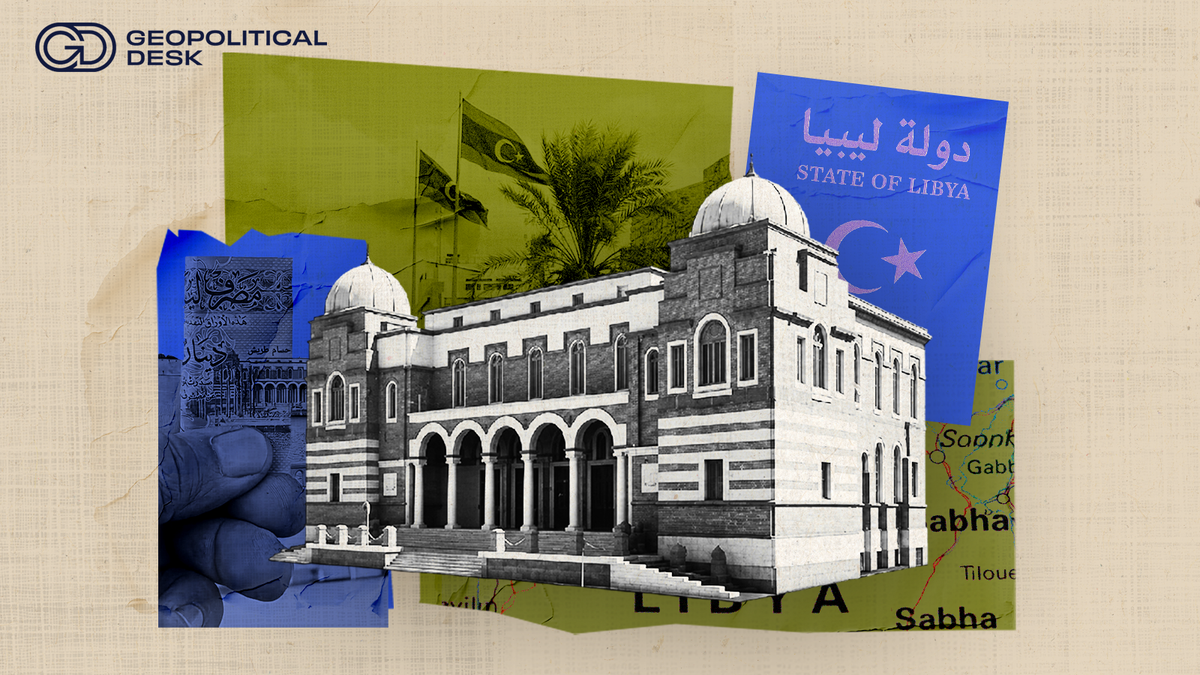
Libya was caught off guard when the House of Representatives announced they had retroactively accepted the resignation of Central Bank Governor Naji Issa, and replaced him with a new interim transitional committee. Within a few hours, the new leadership had taken control of the building in Tripoli despite protests from Issa, indicating increased cooperation among Libya’s rival actors.
 The Geopolitical Desk
The Dabaiba family feud explained
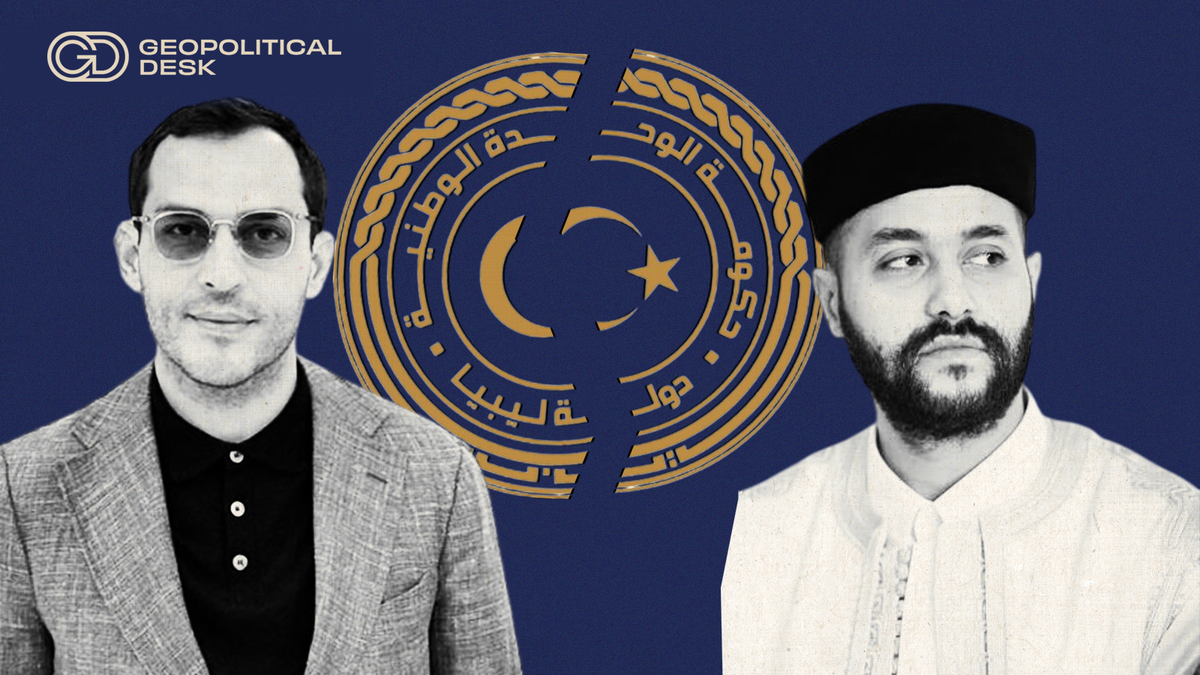
Once a tightly-knit political machine at the heart of western Libya, the Dabaiba family is now fractured by a bitter internal power struggle between Prime Minister Abdulhamid Dabaiba’s son, Mohamed, and his nephew, Ibrahim. As both camps vie for control over key economic assets, state institutions, and political alliances, their escalating rivalry is dismantling the fragile coalition keeping the Government of National Unity afloat.
 The Geopolitical Desk
Mahmoud Hamza’s battle for Libya’s Audit Bureau
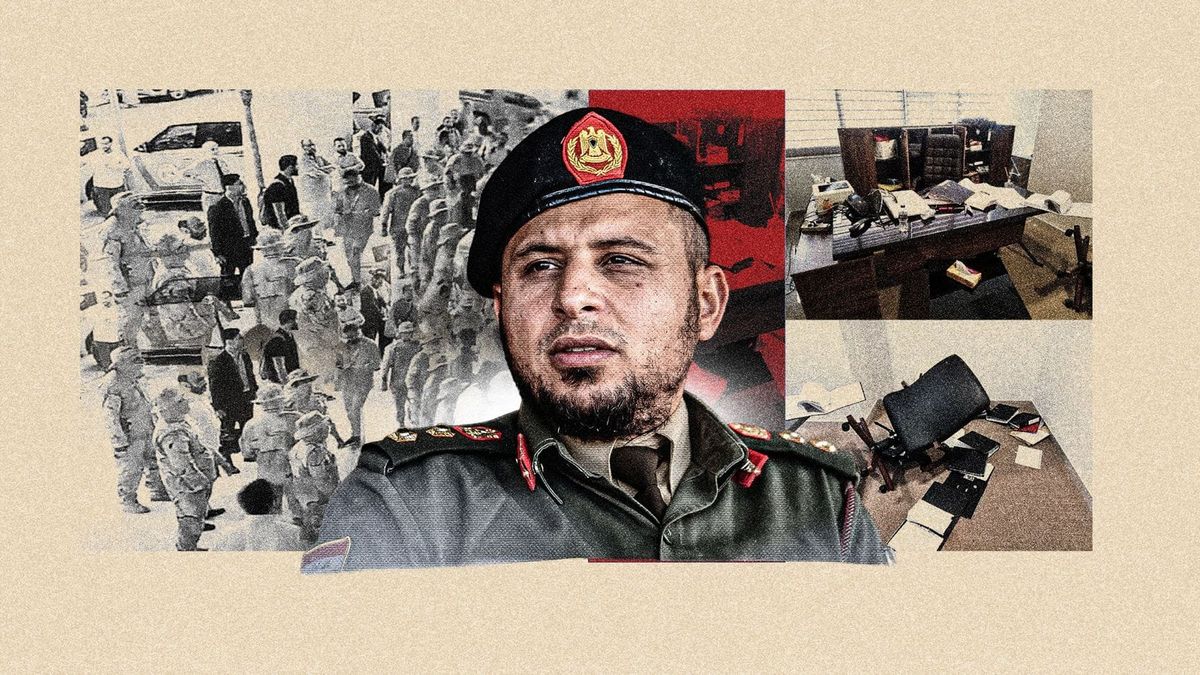
An armed attempt by the 444th Brigade, led by commander Mahmoud Hamza, to install a disputed deputy at Libya’s Audit Bureau has triggered a severe institutional standoff in Tripoli. Bypassing established legal channels, the move exposes how armed groups are increasingly penetrating and leveraging financial oversight bodies for political and financial control. This brazen takeover attempt not only threatens the rare independence of one of Libya's most crucial state institutions but also highlights the deepening deterioration of security and governance in the capital just as broader national political settlements are being negotiated.
 The Geopolitical Desk
As always, thank you for reading and for your continued support.
Feel free to reply with feedback or suggestions.
See you next week,
The Geopolitical Desk team
P.S. Please forward this to anyone who might find it useful. If you’re reading this second-hand, you can sign up for our free newsletter here.
Professionals across energy markets, diplomacy, risk advisory and investment use GPD Intelligence to track geopolitical developments before they move markets.
If you find this coverage valuable, you can unlock the full Intelligence briefings and scenario analysis.



