

▸ 🇹🇷🇸🇦🇵🇰 New MENA defense pact
▸ 🇮🇷 U.S.-Iran negotiations slow
▸ 🇫🇷🇨🇫 Investigation into France’s CAR ambassador
This week, we break down the continued developments across the Middle East and North Africa, as the war in the Gulf continues to linger and several regional states look to further integrate their defensive and intelligence networks.
Additionally, on the website, we have new articles breaking down why Ceuta might have seen such a large migration surge and the current political tensions occurring in Libya.
We also have two featured articles, including another Partner Insights piece detailing how Gulf states are looking to diversify how they export oil, and an over 30-page report from Global Insights Group detailing why the previous U.S.-Iran MoU failed and how the two sides might return to another agreement.
Now,
Lets get into it
Turkey, Pakistan, and Saudi sign new defensive pact
What happened: On August 7, 2026, Saudi Arabia, Turkey, and Pakistan signed the Mecca Joint Defense Agreement. Negotiated by Saudi Crown Prince Mohammed bin Salman, Turkish President Recep Tayyip Erdoğan, and Pakistani Prime Minister Shehbaz Sharif, the landmark pact introduces an "attack on one is an attack on all" clause reminiscent of NATO's Article 5.
Why it matters: The pact formalizes a powerful trilateral bloc combining Saudi financial weight, Turkey’s NATO-grade defense industry, and Pakistan's military capacity, as well as its nuclear umbrella. Formed against the backdrop of the ongoing Iran-Israel-U.S. conflict, the pact serves as a major strategic hedge by these three regional powers seeking autonomy rather than exclusive reliance on external security guarantors like Washington.
What it means: While the arrangement reinforces regional deterrence, the full collective defense mechanism presents immediate challenges. The signatories maintain divergent global alliances, Turkey remains in NATO, Pakistan relies heavily on China, and Saudi Arabia retains key ties with the U.S. In the short term, the agreement will function more as a framework for consultation, intelligence sharing, and defense procurement rather than an immediate joint military command.
Stalemate by design: Sequencing dispute slows return to MoU(+)
What happened: Diplomacy has stalled over sequencing. Tehran wants Washington to move first in returning to the MoU's terms, to extend peace region-wide, and to accept a future Iran-Oman agreement on bilateral management of the Strait of Hormuz, one that will be difficult to reach and harder still for Washington to accept. The MoU's collapse last month hardened Tehran's posture, with more IRGC figures formally appointed to security leadership and new threats of offensive action should the U.S. not accept Iran's conditions. Washington, for its part, appears to have concluded that neither kinetic action nor Iran's conditions serve it well, and has fallen back on what it knows best: economic pressure in the form of an indefinite naval blockade threat in addition to market jawboning with claims that it has the final word on the Strait and secures the flow of 9m bpd of oil, well above the 2-3m bpd some shipping trackers report.
Why it matters: Both sides are negotiating through posture rather than at the table. Iran's insistence that Washington move first, and that an Oman-brokered deal alone can't reopen the Strait, is a leverage play as much as a substantive demand, designed to make sequencing itself Washington's problem. Washington's exacting blockade and likely inflated flow figures are the mirror move: pressure and market messaging standing in for concessions neither side is yet ready to make.
What it means: The MoU's text was already a major achievement for Iran. Tehran needs little more than a return to it, with the main addendum being international recognition for its future bilateral framework with Oman on Hormuz. To get there, the voices being heard in Tehran are strong advocates of assertiveness over accommodation, the logic being that assertiveness won them the original MoU, and going up a notch further will win them the plus. That leaves the tired Iranian government to manage the dire economic consequences, facing once again a U.S. bent on making its job harder, and a Trump admin that has so far been fairly successful at blunting Iran's own counter game of global economic attrition.
Risk metre (Moderate): Both sides remain at loggerheads amid a deep trust deficit, but a major U.S. campaign remains implausible, which keeps a return to the MoU, in its stronger "plus" form, the more likely scenario. Still, this week's backtracking shows that a temporary relapse into fighting or a prolonged stalemate are live alternatives.
Further analysis:
The Geopolitical Desk is proud to present a recent analytical report by Global Insights Group regarding the state of negotiations between the U.S. and Iran. The report breaks down why the initial MoU failed, what risks remain ahead, and how both sides could return to the negotiating table. Click on the link below to download the article for free.
 Global Insights Group
French Ambassador investigated in CAR
What happened: France has initiated disciplinary proceedings against the French Ambassador to the Central African Republic (CAR), Bruno Foucher. French media reported that Foucher had brought around 30 women, aged 20-30, to his official residence from 2024 to 2026, with Foucher admitting to having sexual relations with two of them.
Why it matters: The situation is embarrassing for the French Embassy, especially in a country Paris sees as an important piece of its Africa policy. Foucher had been the ambassador during French efforts to try and rebuild relations with Bangui following CAR’s increased relations with Russia and the former Wagner Group, now the Africa Corps.
What it means: It could be an unnecessary step backwards for France, as the country looks to try and rebuild relations with its former colonies. Paris recently lost its influence in countries like Mali and the CAR to Russia, which has increasingly become their main security provider. The Africa Corps personally provides protection for President Faustin-Archange Touadéra and helps train the CAR military, and Paris has been trying to maintain its traditional ties.
Morocco’s conflicted economy
On paper, Morocco’s economy continues to grow, as the nation prepares to host the next World Cup. That reality was challenged, though, when thousands of Moroccans charged the border fences and sea walls of the Spanish enclave of Ceuta, searching for work and better livelihoods. This article from GIG examines the domestic situation in Morocco and how it helped lead to the shocking events at Ceuta.
 The Geopolitical Desk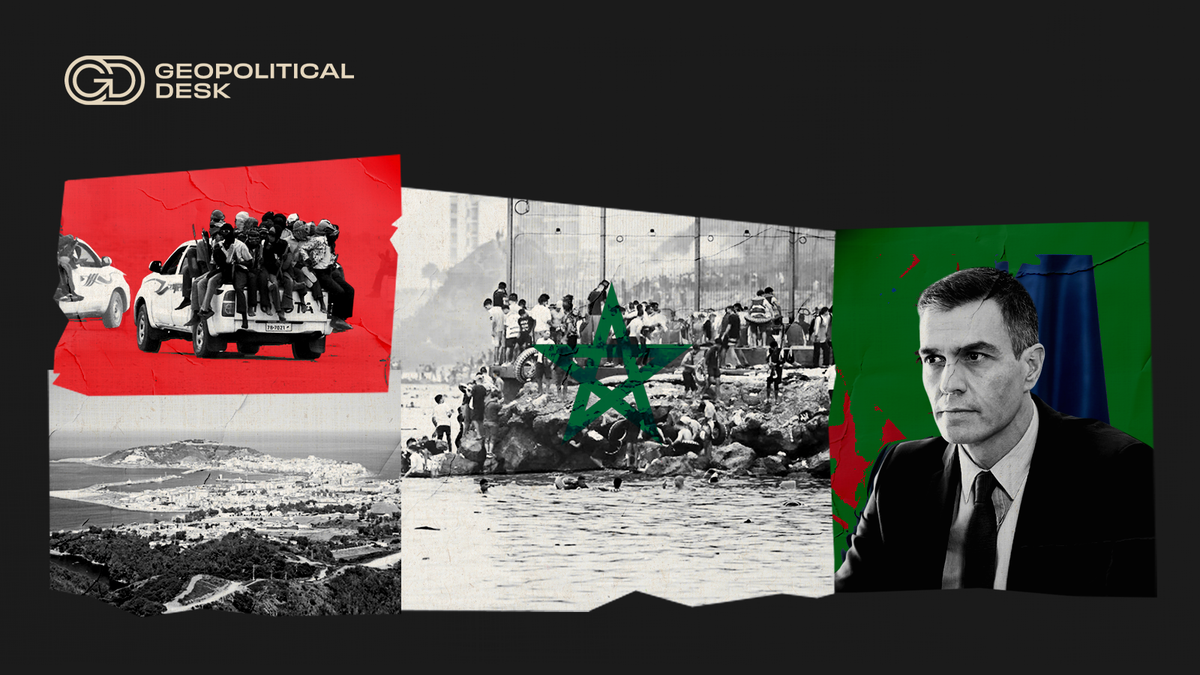
Reforming the way oil is moved
The U.S.-Iran war has broken the reality that the oil-exporting powers of the Middle East can continue to rely on just two narrow waterways for the selling of their main financial resource. Countries like Iraq, Saudi Arabia, and the United Arab Emirates are now looking to diversify the way they transport oil, mainly via overland pipelines, and while it might lessen reliance on the straits of Bab al-Mandeb and Hormuz, it will introduce new security and supply challenges of its own.
 The Geopolitical Desk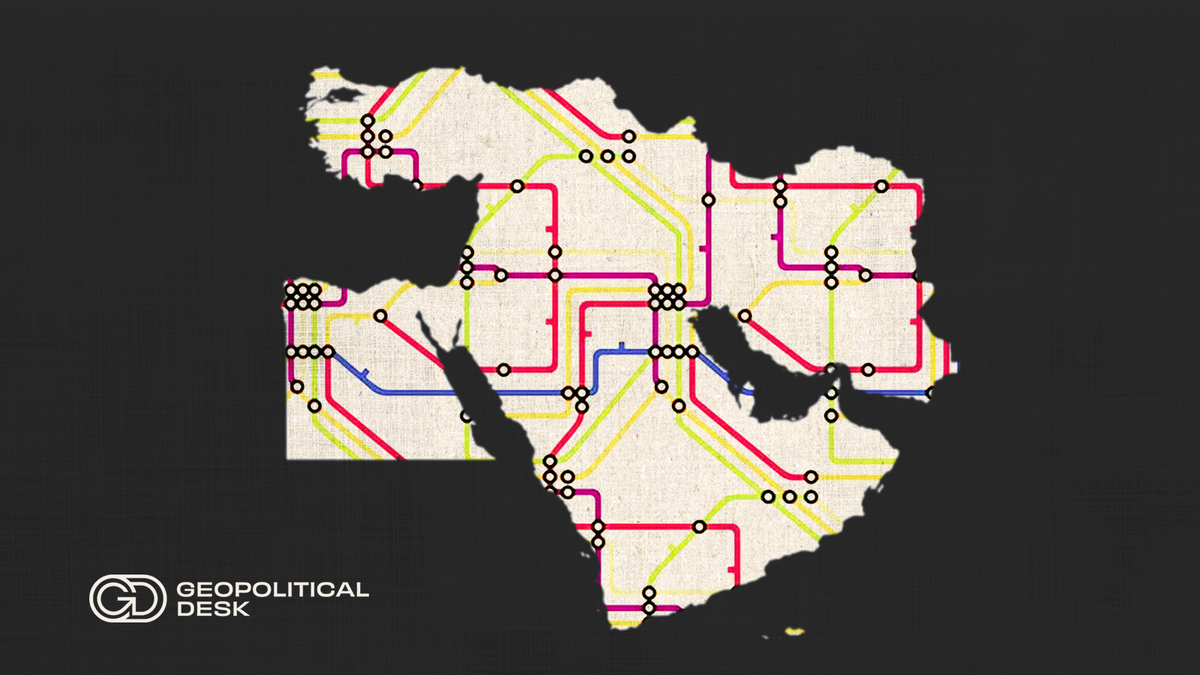
Libya is facing the music
Libya’s economic and security institutions are seeing increased strain, as the country’s long-standing status quo continues to fall apart. The threatened resignation of the Central Bank Governor threw Libya’s economy into shock, while unprecedented drone attacks on oil infrastructure in Zawiya threatened to completely upend western Libya’s weak security architecture. As American efforts to create a new unity government intensify, so too will attempts to spoil the process.
 The Geopolitical Desk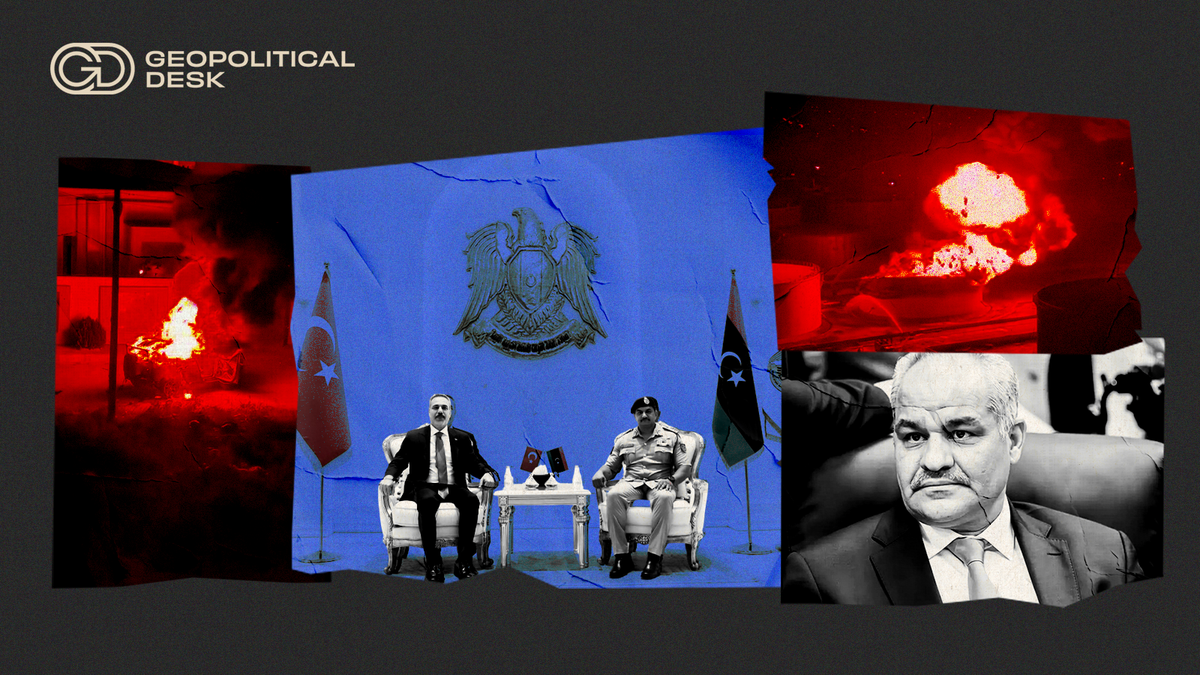
As always, thank you for reading and for your continued support.
Feel free to reply with feedback or suggestions.
See you next week,
The Geopolitical Desk team
P.S. Please forward this to anyone who might find it useful. If you’re reading this second-hand, you can sign up for our free newsletter here.
Professionals across energy markets, diplomacy, risk advisory and investment use GPD Intelligence to track geopolitical developments before they move markets.
If you find this coverage valuable, you can unlock the full Intelligence briefings and scenario analysis.


