
▸ 🇪🇸 Migrant crisis in Ceuta
▸ 🇮🇷 Iran conflict decentralising
▸ 🇸🇩 Sudan army attempts to relieve important city
The week ended with a shock in southern Europe as the Spanish enclave of Ceuta faced a migrant crisis, the aftermath of which has exposed some of the current fault lines within the European Union.
The Iran war also continues to escalate, as the United States struggles to move Iran towards a deal through military means. In addition, more countries across the region continue to be targeted by drone and missile strikes, indicating that it will be harder to bring Iran and the U.S. back to the negotiating table.
The Sudanese Army launched an offensive to relieve the North Kordofan capital of El Obeid, which has been encircled by the Rapid Support Forces (RSF) for months. Although the battle is not yet won, it marks a significant gain for the military in its efforts to push back the RSF.
Now,
Lets get into it
Thousands of migrants storm Spanish enclave
What happened: Between July 30 and August 1, 2026, approximately 60,000 migrants crossed from Morocco into the Spanish North African enclave of Ceuta, overwhelming local infrastructure and resulting in at least 67 reported deaths. Spain responded by deploying armed forces, placing offshore containment barriers, and conducting expedited returns to Morocco.
Why it matters: The sudden crisis highlights the volatile dynamics of Spain–Morocco border management and demonstrates how regulatory shifts, such as a recent Spanish court ruling restricting immediate sea expulsions, can instantly alter migration flows. Externally, it has ignited sharp political discord within the European Union, prompting several member states to challenge Madrid’s border handling and advocate for tightened Schengen controls.
What it means: Diplomatically, the event illustrates Morocco’s strategic position as a primary buffer for European security, requiring Madrid to continuously negotiate cooperation with Rabat. But with accusations that Morocco has facilitated or even encouraged such migration waves, this incident could prove a major point of tension between Brussels and Rabat.
The Iran conflict is decentralising and internationalising
What happened: On July 25, an Iranian-flagged ship was hit by Ukraine in the Caspian Sea. In the early hours of July 29, Saudi Arabia launched its first publicly acknowledged joint strikes with the U.S. against Iran-aligned groups in Iraq which had targeted the Kingdom in coordination with Yemen's Houthis. Later in the day, a U.S.-owned LNG ship was hit by a drone in Egypt's Damietta port from an unknown attacker, potentially Iran-sponsored.
Why it matters: While Iran and the U.S. continue their intermittent exchange of fire, the greater involvement of Iran-aligned groups, driven by their own motives, is leading to horizontal yet decentralised escalation with more and more countries directly impacted by the war.
This creates several hotspots, with the Red Sea now being a flashpoint, and the more actors involved, the harder resolution becomes, even as the case for it grows more urgent. Ukraine's attempt at linking the Russian and Iranian conflicts, while still a marginal scenario, could add the Caspian and the Caucasus as new hotspots.
What it means: Energy infrastructure and supply chains remain the primary target of the conflict's geographic expansion. The Persian Gulf remains almost entirely closed, and the Red Sea now faces risks of attacks on both its shores.
The Caspian has already seen Ukrainian strikes on the CPC pipeline carrying Kazakh oil to Europe via Russia. An Iranian-sponsored attack on Azerbaijan's BTC pipeline, which supplies a good chunk of Israel's oil, is looking increasingly likely if the IDF rejoins the battle.
Risk metre (High): The failure of the Iran-U.S. interim deal is pushing Washington to consider harder measures such as strikes on Iranian energy sites while the ruling conservative camp in Tehran is, despite differences about the merits of diplomacy, in consensus that hard power only can get Iran to prevail against American onslaught.
To learn more about the differences between Tehran’s hardliners and pragmatic conservatives, you can read the analysis below:
 The Geopolitical Desk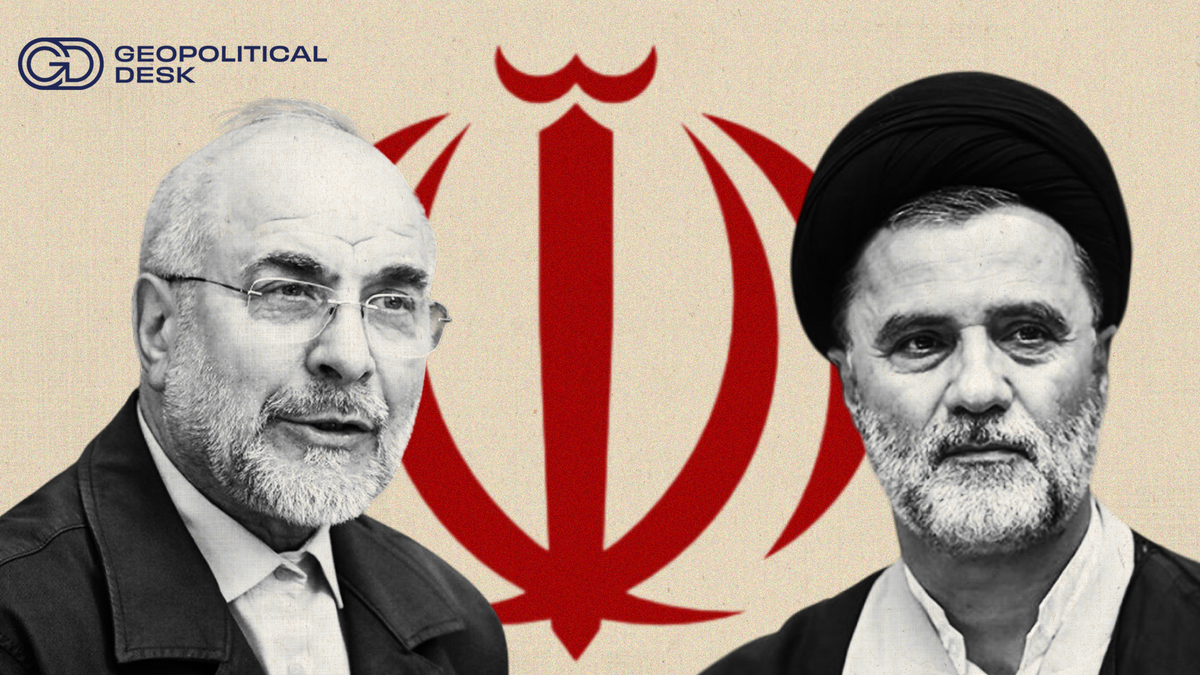
SAF captures main road towards the city of El Obeid
What happened: In late July 2026, intense fighting escalated around El Obeid, the strategic capital of North Kordofan. Following months of encirclement and heavy Rapid Support Forces (RSF) drone strikes on critical infrastructure, the Sudanese Armed Forces (SAF) launched a major offensive. On July 27, SAF forces broke part of the siege by recapturing the vital highway connecting El Obeid to Khartoum, forcing the RSF to withdraw.
Why it matters: El Obeid serves as the central operational bridge between RSF-controlled Darfur in the west and SAF-held territories in eastern Sudan. The siege had triggered urgent UN warnings of potential mass atrocities threatening roughly 500,000 residents. The capture of a main highway between the city and the capital will facilitate the transport of much-needed supplies.
What it means: The defeat at El Obeid could trigger more surrenders and desertions within the RSF, which already suffered some high-level desertions over recent months. This has exposed vulnerabilities in its command structure when denied quick tactical victories.
Further coverage of El Obeid’s importance of the war can be read here:
 The Geopolitical Desk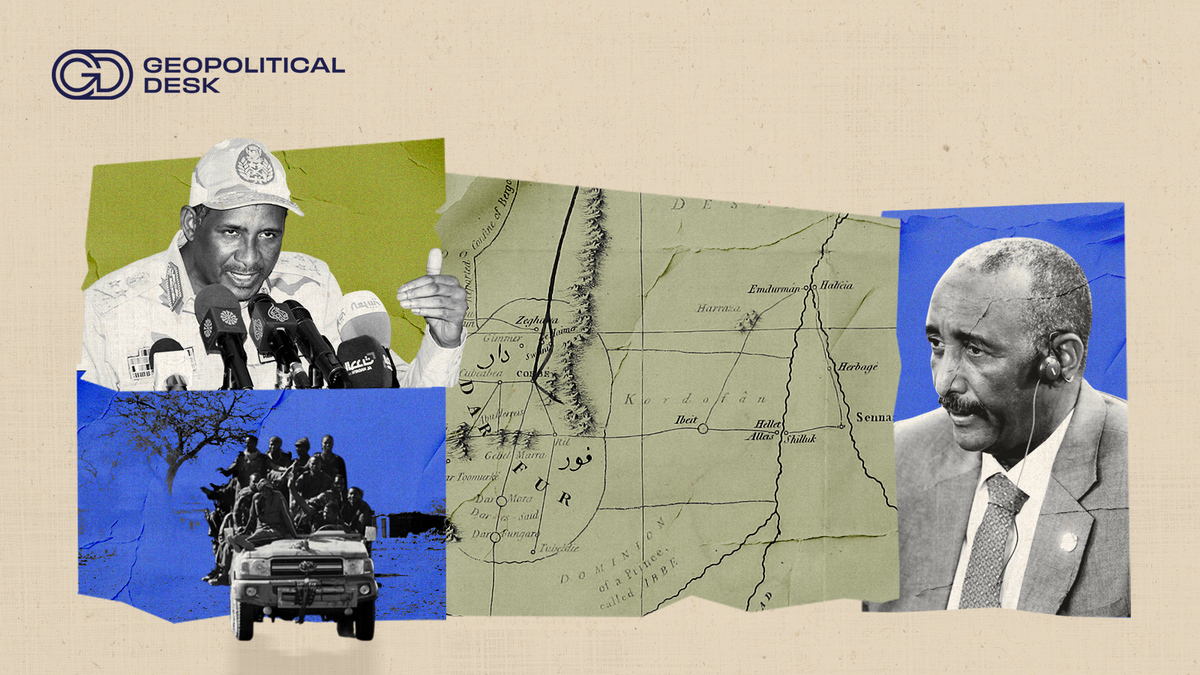
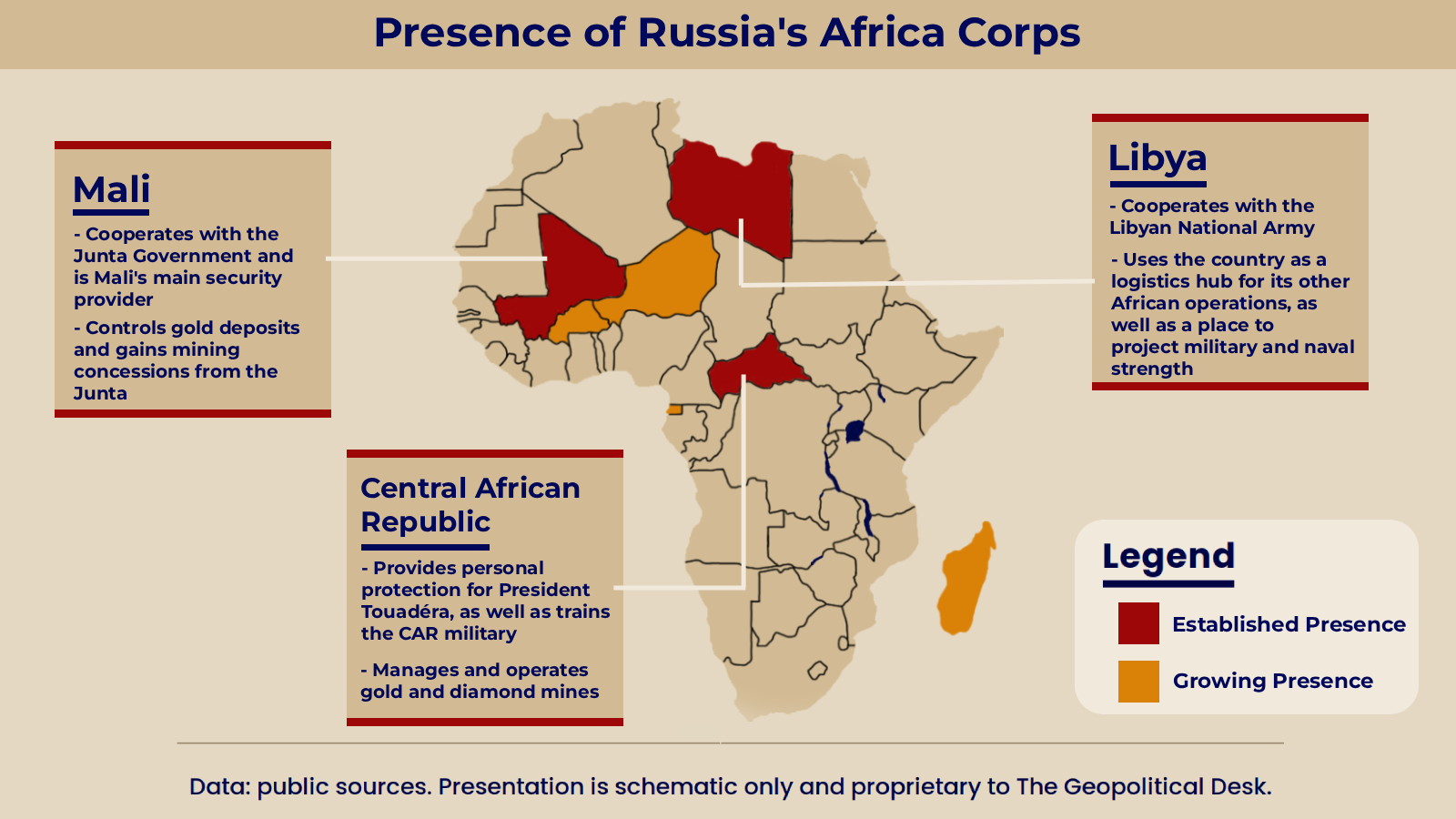
Analysis of Russia’s “Africa Corps”
Despite the death of Yevgeny Prigozhin and the dismantling of the Wagner Group, the private military contractor continues to live on in the form of Russia's “Africa Corps”. Now under Moscow's command, the unit is seeking to expand its influence across the continent in an effort to increase Russia's global reach.
 The Geopolitical Desk
Algeria looks to Spain and Germany for help
Algiers has long struggled with diplomatic isolation and economic weakness, and now sees Berlin and Madrid as potential solutions to its problems. Following its recent efforts to strengthen relations with Italy, Algeria is hoping that closer ties with two of the European Union's other major powers will encourage investment in its beleaguered economy and increase its influence on the world stage.
 The Geopolitical Desk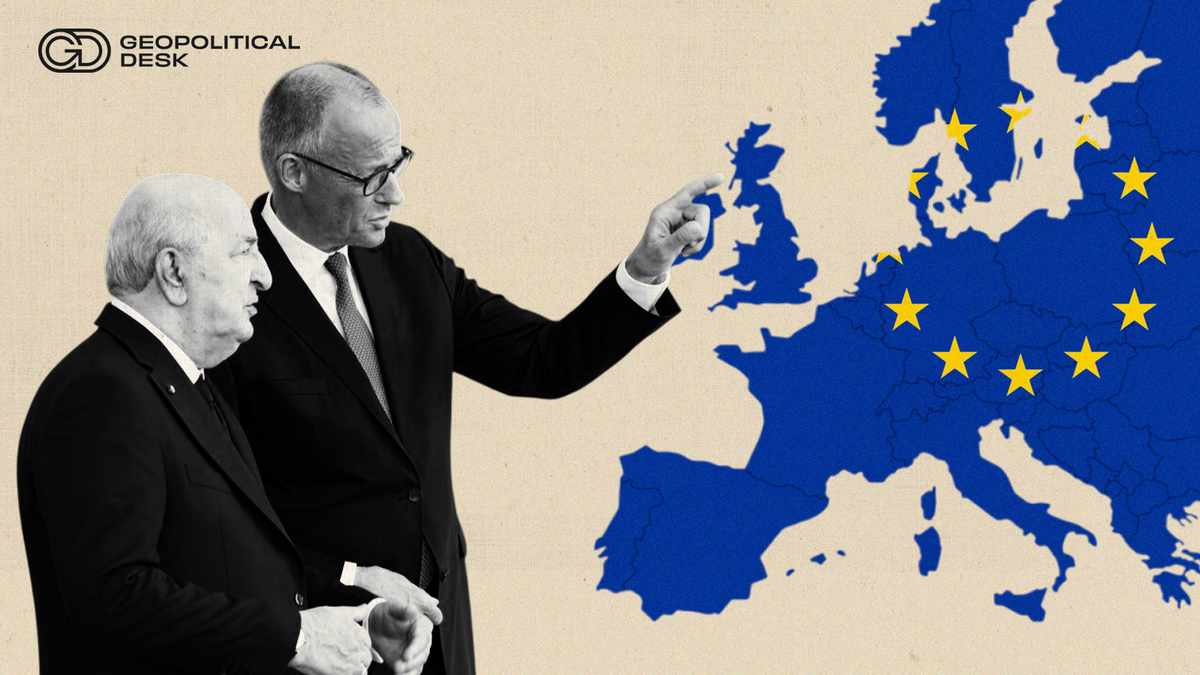
As always, thank you for reading and for your continued support.
Feel free to reply with feedback or suggestions.
See you next week,
The Geopolitical Desk team
P.S. Please forward this to anyone who might find it useful. If you’re reading this second-hand, you can sign up for our free newsletter here.
Professionals across energy markets, diplomacy, risk advisory and investment use GPD Intelligence to track geopolitical developments before they move markets.
If you find this coverage valuable, you can unlock the full Intelligence briefings and scenario analysis.


