

▸ 🇮🇷 The U.S. and Iran trade blows around the Gulf
▸ 🇺🇦 Zelensky fires Ukraine Minister of Defense
▸ 🇫🇰 Falkland dispute returns to the main stage
We’ve reached the end of the World Cup, and what a tournament it has been! When teams from around the world come together politics rarely stays home, and this time is no different.
A hotly contested semifinal between England and Argentina became the main stage of the return of a centuries-old dispute surrounding the Falkland Islands.
Outside of the World Cup, in Ukraine, a major controversy is unraveling as president Zelensky has fired his popular Defense Minister Mykhailo Fedorov.
While fighting between the U.S. and Iran has once again come into force, increasing the risk of further escalation.
Lastly, The Geopolitical Desk is active on both X and Instagram, where we post our new articles as soon as they are published, provide exclusive insights, and deliver custom content. Hope to see you all over there!
Now,
Lets get into it
The U.S. and Iran trade blows around the Gulf
What happened: The U.S. has struck southern Iran almost nightly, targeting launch capabilities, logistics nodes and military infrastructure. Civilian locations have also been repeatedly hit, i.e bridges, fishing piers, energy sites including the perimeter of Bushehr's NPP. Iran has cut Gulf maritime traffic to near zero, retaliated against U.S. regional bases, and gradually widened its strikes into Gulf economic infrastructure - tankers, desalination plants, oil facility - as U.S. strikes intensify.
Why it matters: Neither side has abandoned the MoU outright, but the diplomatic track is fatigued and largely inactive, with little effort to bring the two belligerents back to talks. GCC states are increasingly drawn into the hostilities behind the scenes. The guardrails that previously capped escalation between Iran and the U.S. are no longer holding, and risk levels are approaching those seen in early April.
What it means: Israel is holding back because the current target set doesn't justify the risk. The U.S. sees it differently, maximising its degradation campaign on the bet that tactical wins will eventually break Tehran's power projection in the Gulf, a course that risks eroding Tehran's strategic restraint and drawing more economic targets into the crosshairs.
Risk metre (High): Escalation risk rests primarily with the U.S. Wider geographic strikes on Iran or a heavy shift toward Iranian economic targets could push the conflict to a new threshold. Gulf energy targets are once more exposed, with Tehran already signalling the Red Sea as its next likely maritime chokepoint.
President Zelensky fires Ukraine’s popular Minister of Defense.
What happened: On July 16, 2026, Ukrainian President Volodymyr Zelenskyy dismissed Defense Minister Mykhailo Fedorov after just six months in office. The firing stemmed from severe tension between Fedorov—a tech-minded reformer—and General Oleksandr Syrskyi, Ukraine’s Commander-in-Chief. Fedorov had implemented strict anti-corruption audits and digital open-tender systems that directly clashed with the traditional military establishment.
Why it matters: Fedorov was highly popular among the public and Western allies for modernizing Ukraine's drone and cyber warfare. His removal triggered rare wartime protests across multiple Ukrainian cities, with citizens and civil society decrying the move as a blow to transparency.
What it means: By backing General Syrskyi over Fedorov, Zelenskyy prioritizes political alignment over bureaucratic reform. Critics warn the decision could slow defense modernization, complicate Western drone production agreements, and damage public trust in the administration. People also fear that replacing the Minister of Defense, at this key moment, jeopardizes the advantage which Ukraine has created on the battlefield
Las Malvinas son Argentina's banner at World Cup sparks diplomatic controversy
What happened: Following Argentina's 2-1 World Cup semi-final victory over England in Atlanta, several Argentine players displayed a fan banner on the pitch reading "Las Malvinas son Argentinas". This direct claim to the British-governed Falkland Islands prompted immediate, formal condemnation from Downing Street and the Falkland Islands Government, alongside demands for a thorough FIFA investigation. In the days before the match Argentina’s Foreign Minister had already made remarks which offended the Falklanders, describing them as an “artificial population”.
Why it matters: The display of the banner and the controversy around it have pushed this centuries old dispute back to the main stage. Rather than deescalating tensions, Argentina's Foreign Ministry immediately backed the players with a formal communique, using the global tournament's spotlight to forcefully assert its sovereign claims to a massive international audience.
What it means: The incident underscores how the dispute around the Falklands remains an active diplomatic wound, easily aggravated by symbolic theater. Coming directly on the heels of recent bilateral friction—specifically a formal Argentine protest over unnotified British warship movements in the South Atlantic—the match has hardened state rhetoric on both sides.
Exclusive Report: NOC Reshuffle Agreement reached
Previously reported by Libya Desk Consulting, Libya’s eastern and western factions had agreed to replace the executive board of the National Oil Corporation and most of its subsidiaries. In this exclusive report from GPD, we learn that the agreement has since been expanded, with both factions establishing a proposed timeline. Subscribers can read the details here:
 The Geopolitical Desk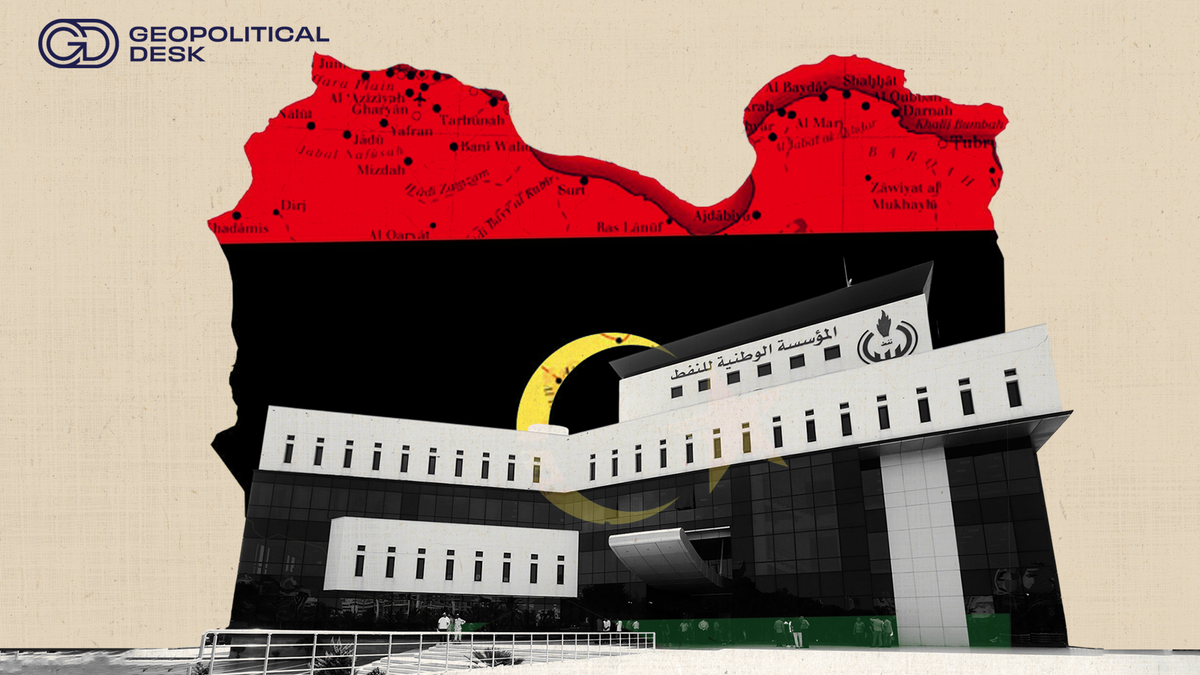
Jihadist pressure continues on Bamako
This week, we take a deeper dive into Mali, where government forces were able to just barely beat back a jihadist advance. Bamako and their Russian allies are continuing to try and hold on, but northern jihadist forces and their Tuareg allies are slowly becoming more bold in their attacks.
 The Geopolitical Desk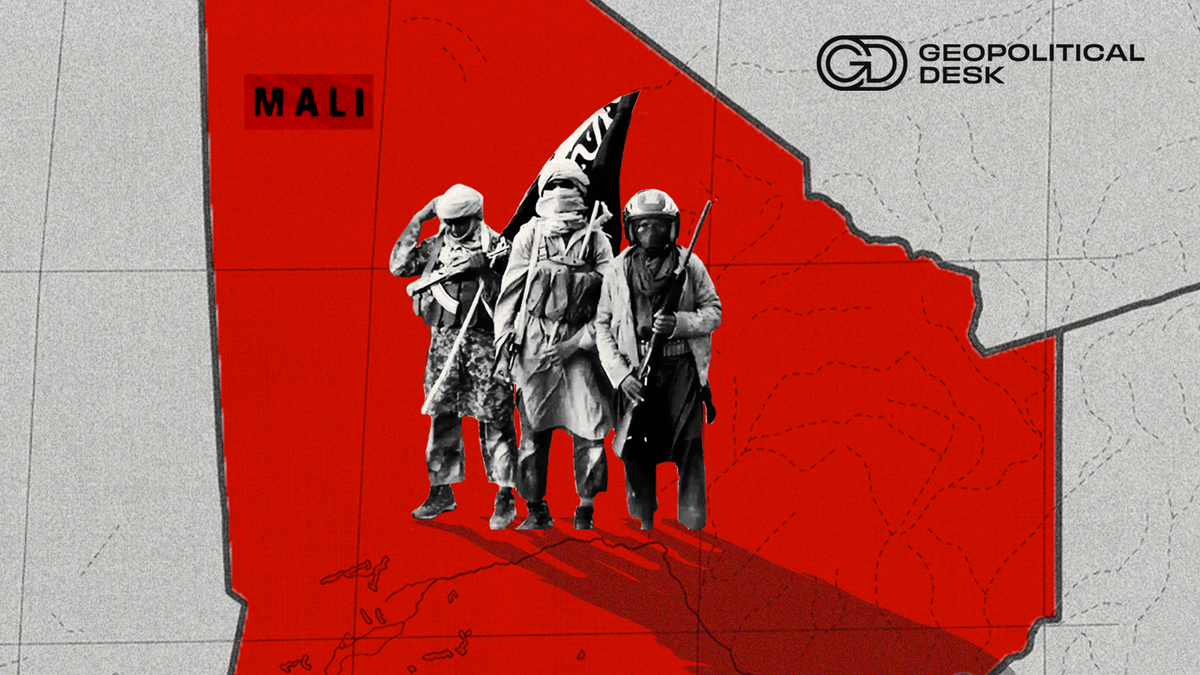
The West begins to eye new weapon systems
This latest article explored the new trend in western weapons procurement: cheap combat systems often made by tech start-ups. The effectiveness of Ukrainian and Iranian drones in fighting their much larger opponents has interested western capitals to look beyond their traditional weapon systems, which are often very technologically complicated and very expensive.
 The Geopolitical Desk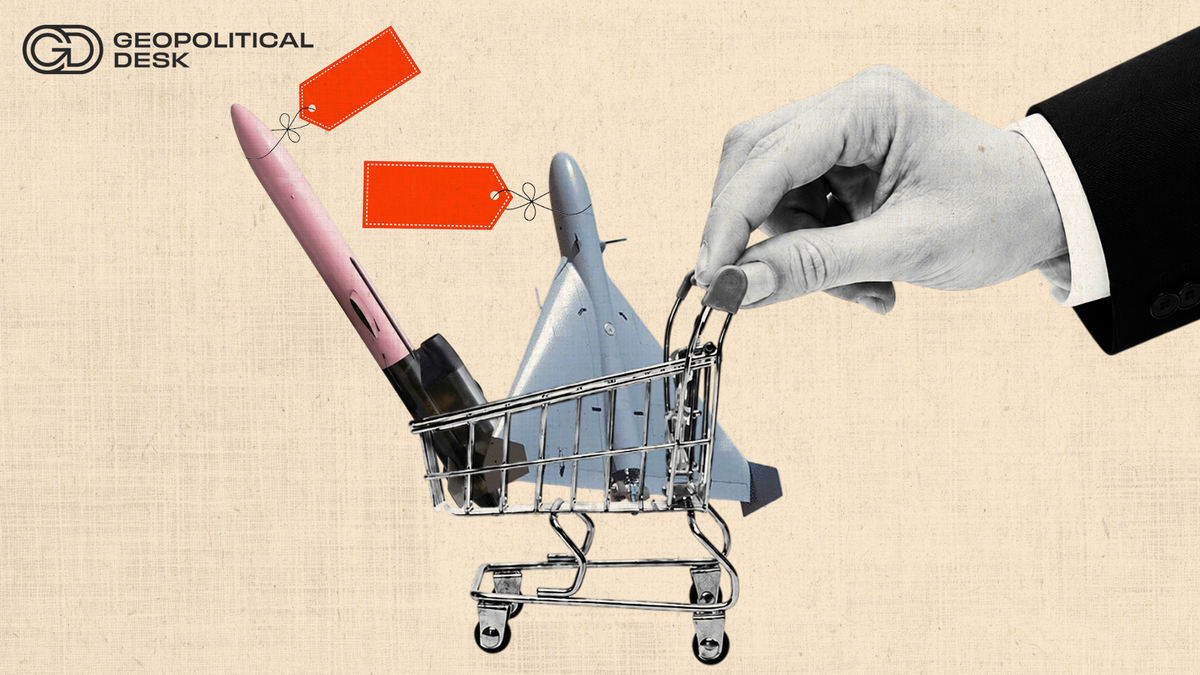
As always, thank you for reading and for your continued support.
Feel free to reply with feedback or suggestions.
See you next week,
The Geopolitical Desk team
P.S. Please forward this to anyone who might find it useful. If you’re reading this second-hand, you can sign up for our free newsletter here.
Professionals across energy markets, diplomacy, risk advisory and investment use GPD Intelligence to track geopolitical developments before they move markets.
If you find this coverage valuable, you can unlock the full Intelligence briefings and scenario analysis.


