
▸ 🇮🇷 Iran attacks on Gulf States put deal in doubt
▸ 🇮🇷 The political and economic repercussions of the war on Iranian society
▸ 🇸🇧 Australia increases ties with Solomon Islands
▸ 🇪🇹 Ethiopia holds general elections
We are back after a short break. The past few weeks the Trump administration has argued that a deal with Iran is close, imminent even, yet the hope that the war might end continues to hit the hard reality of the situation.
An Iranian attack on Kuwait's international airport, continued fighting between Israel and Hezbollah, and now IRGC claims that it fired warning shots at U.S. ships show that any lasting peace deal is still a long way away.
The Geopolitical Desk has continued to track the Iran war in order to keep readers informed about the political and economic repercussions on Iran and the wider region, and how every major stakeholder is determining their next steps.
This week, we're also looking at how Australia is trying to expand its footprint in the Pacific Islands by increasing relations with the Solomon Islands and what the recent elections in Ethiopia mean for tensions in the north of the country.
Let's get into it.
Can the "ceasefire" between the U.S. and Iran lead to lasting peace?
What happened: The conflict in the Middle East has seen a series of dramatic developments in recent weeks. U.S. President Donald Trump has continued to say that negotiations between the U.S. and Iran are close to a breakthrough, despite the fact that they have yet to address the issues of control over the Strait of Hormuz and the state of Iran’s nuclear program, which are ultimately the only two issues that actually matter to this conflict.
Why it matters: Despite nominal ceasefires and talk of a lasting peace deal, Israel carried out an airstrike in southern Lebanon and, in the Gulf, Iran launched a strike against Kuwait’s main International Airport, killing one and injuring 63. The IRGC has also claimed it launched warning shots against U.S. ships, which the U.S. Navy has denied. In the U.S. there is growing anger over the war, where the U.S. House of Representatives passed a symbolic vote in the Republican-led Congress that would direct Trump to remove armed forces from the region, a move that has no real legal enforcement.
What this means: To help readers navigate the sprawling cast of actors shaping what comes next, GPD has published a stakeholder map examining the positions of more than 20 countries and the realistic paths forward from the current impasse. Understanding those paths also means understanding Iran from the inside.
Our recent reporting also examines the country's internal condition in the war's aftermath, including the political struggles playing out within the Iranian government, where the conflict has reshuffled power in ways that are not yet fully visible from the outside, and the deepening economic hardship facing ordinary Iranians, whose living conditions have deteriorated sharply as sanctions, strikes on infrastructure and currency collapse compound one another.
Read the full analysis:
 The Geopolitical Desk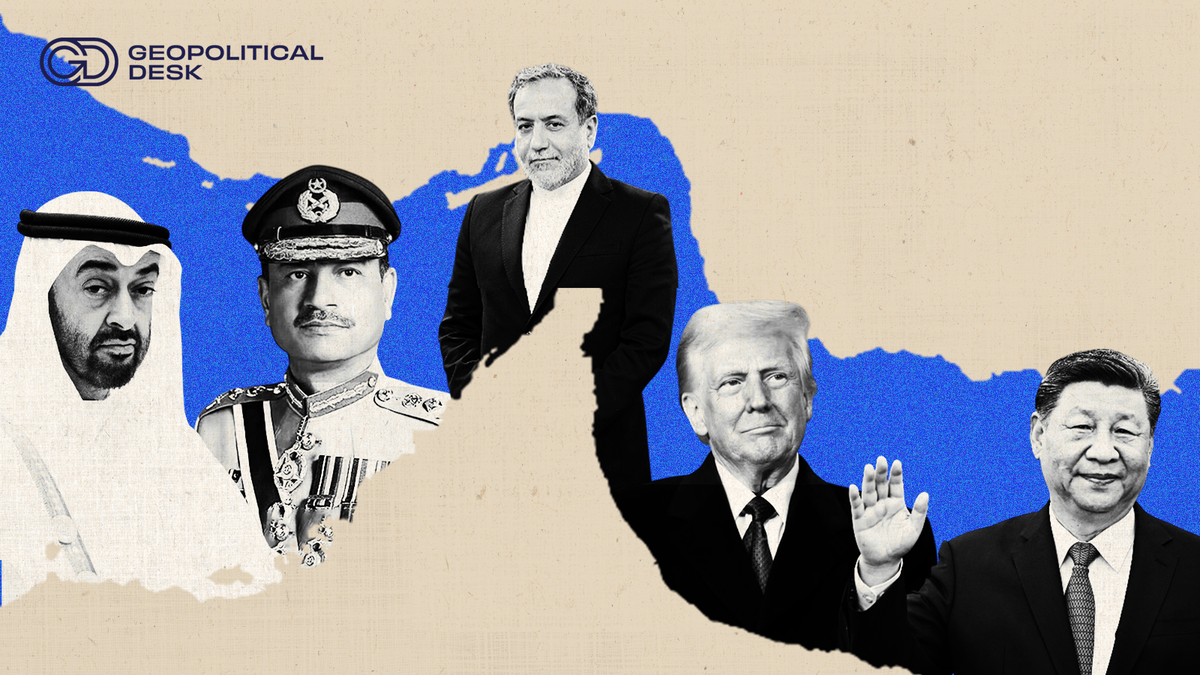
 The Geopolitical Desk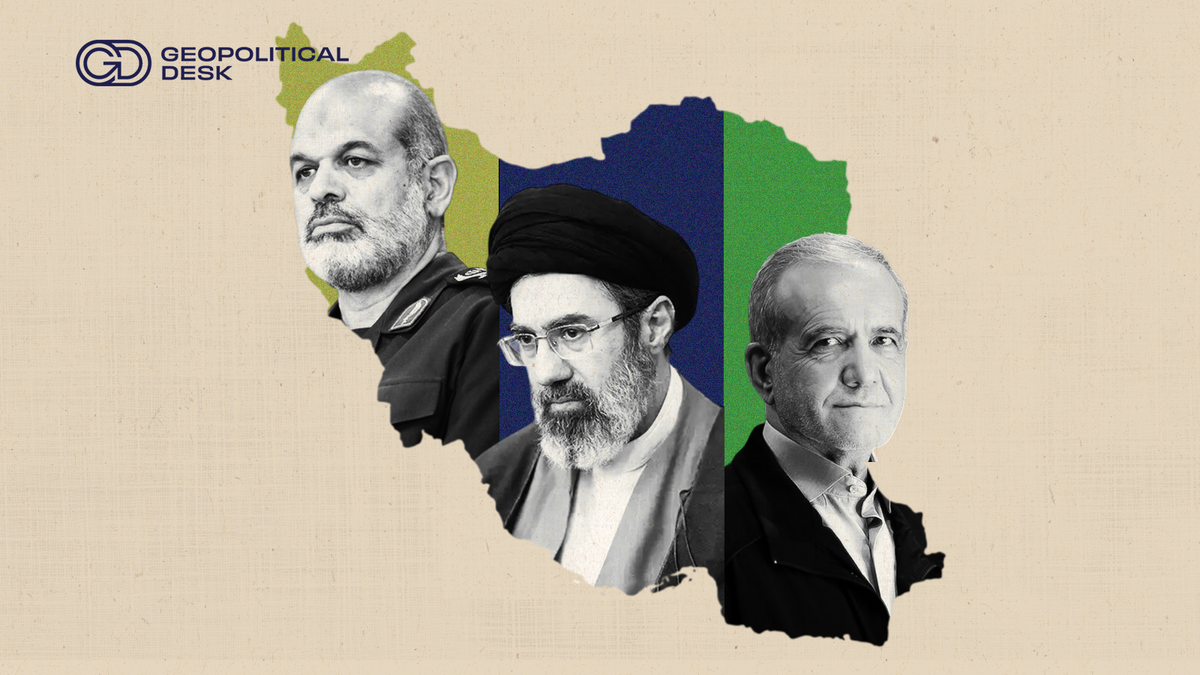
 The Geopolitical Desk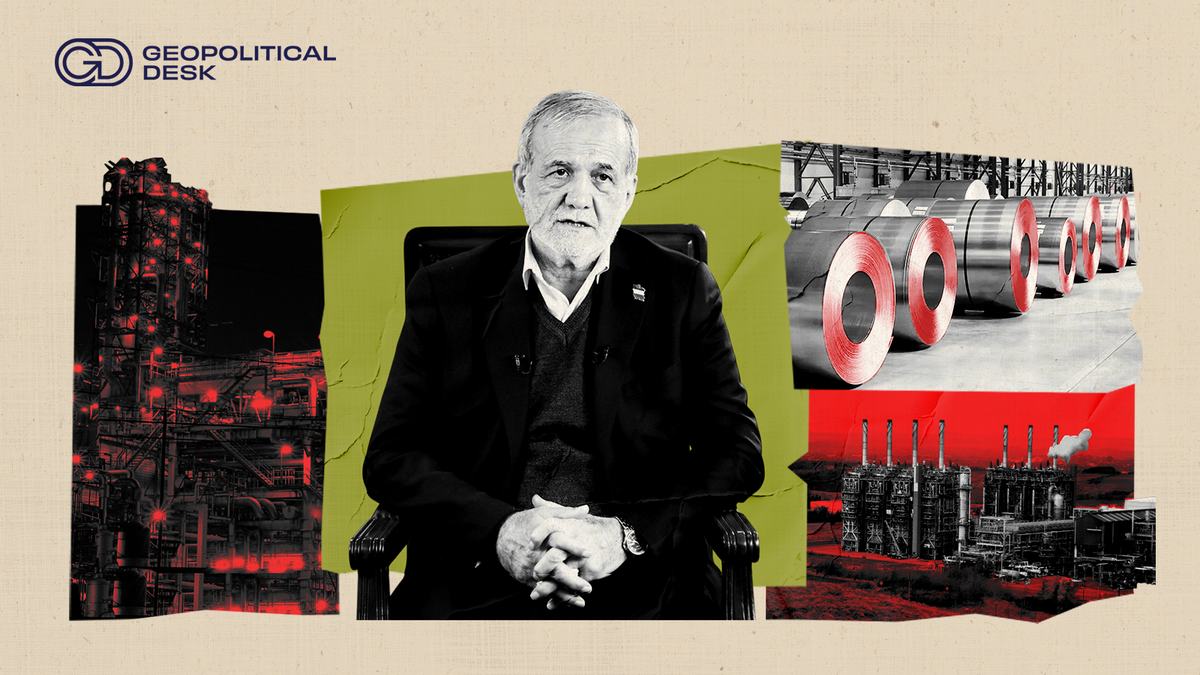
Solomon Islands re-exmaines their security relationships
What happened: The new Prime Minister of the Solomon Islands, Matthew Wale, visited Australia and announced that the government would review its secret 2022 Defense agreement with China. Wale, in a press conference with Australian Prime Minister Anthony Albanese, said he could not immediately reveal the details of the document due to a non-disclosure clause.
Why it matters: The Solomon islands under its former leadership of Manasseh Sogavare and Jeremiah Manele had been drawing the country away from its traditional western partners like the U.S. and Australia toward China, with Sogavare signing an agreement with China in 2022 that many feared would allow China to build a naval base in the south Pacific. Wale, who is described as a “China Hawk”, and his signaling toward Australian likely means the country will once again move back toward western states.
What this means: Competition for influence between Australia and China in the Solomon Islands is likely to continue, with Wale proving that fortunes can turn quickly. The quick switch from years of Pro-China Prime Ministers to Pro-Western one, shows that the Islands could potentially turn back to China in the future. The Islands are ultimately put into a difficult position, as China looks to expand its influence in the region, and Australia seeks to maintain its position as the main security guarantor in the region.
Abiy looks to strengthen his position with election victory
What happened: Ethiopia held general elections, with current Prime Minister Abiy Ahmed’s Prosperity Party expected to win in a landslide. Counting is currently underway, as parts of the north had voting suspended due to the government fighting active insurgencies in the region.
Why it matters: Abiy has maintained strong control of Ethiopia's government since he took power in 2019, and pushed back major challenges to his rule, including a deadly civil war in the northern Tigray province that many human rights organisations warned amounted to genocide. If Abiy’s party wins the expected landslide it is likely to get, it would further reinforce his control of the country as he looks to try and push Ethiopia's goal of getting access to the sea.
What this means: With a renewed parliamentary majority, Abiy would likely use it to push forward his claims of gaining direct control over a seaport. Entirely landlocked, the country relies on the port of Djibouti, and Abiy has long argued that Ethiopia needs direct access to guarantee its national security. This has meant Abiy has continued to antagonise Eritrea, a small isolated state that gained independence from the country in 1993, and with the extra backing from the elections, Abiy could launch an invasion of the country. This however, could immediately see the return of civil war in Tigray, which would drag the north back into full scale war.
As always, thank you for reading and for your continued support.
Feel free to reply with feedback or suggestions.
See you next week,
The Geopolitical Desk team
P.S. Please forward this to anyone who might find it useful. If you’re reading this second-hand, you can sign up for our free newsletter here.
Professionals across energy markets, diplomacy, risk advisory and investment use GPD Intelligence to track geopolitical developments before they move markets.
If you find this coverage valuable, you can unlock the full Intelligence briefings and scenario analysis.


