

▸ 🇻🇪 Disaster response in Venezuela
▸ 🇱🇾 A power struggle over Libya’s intelligence agency
▸ 🇦🇫🇵🇰 Violence flared up alongside the Afghan-Pakistani border
▸ 🇮🇷 Iran and Oman negotiate the Strait of Hormuz
It's been an intense week around the world and not just because we’ve reached the knock-out stage of the World Cup.
In Venezuela relief efforts following the devastating earthquake have laid bare the shortcomings of the current government.
Additionally, in western Libya another political conflict is surfacing as a power struggle has broken out over control over the country’s intelligence agency.
And alongside the Afghanistan - Pakistan border a new round of cross border strikes took place following a deadly terror attack in the southern port city of Karachi.
Now,
Lets get into it
Criticism swells over government’s earthquake response
What happened: A major double-earthquake hit the Venezuelan coast last week leading to thousands of casualties. In the aftermath the government’s response was slow, leading to more preventable casualties.
Why it matters: Ever since taking on the role of interim president, Delcy Rodriguez has been trying to polish the image of the Chavista regime while mending ties with the Trump admin. The government’s failure to adequately respond to the earthquake and set up rescue and aid efforts are causing a major dent in that image.
What it means: As criticism grows and shock among the people starts to turn into anger, pressure will continue to build on Delcy to finally commit to elections. Opposition leader Maria Corina Machado is already planning a return to the country.
Read the full analysis:
 The Geopolitical Desk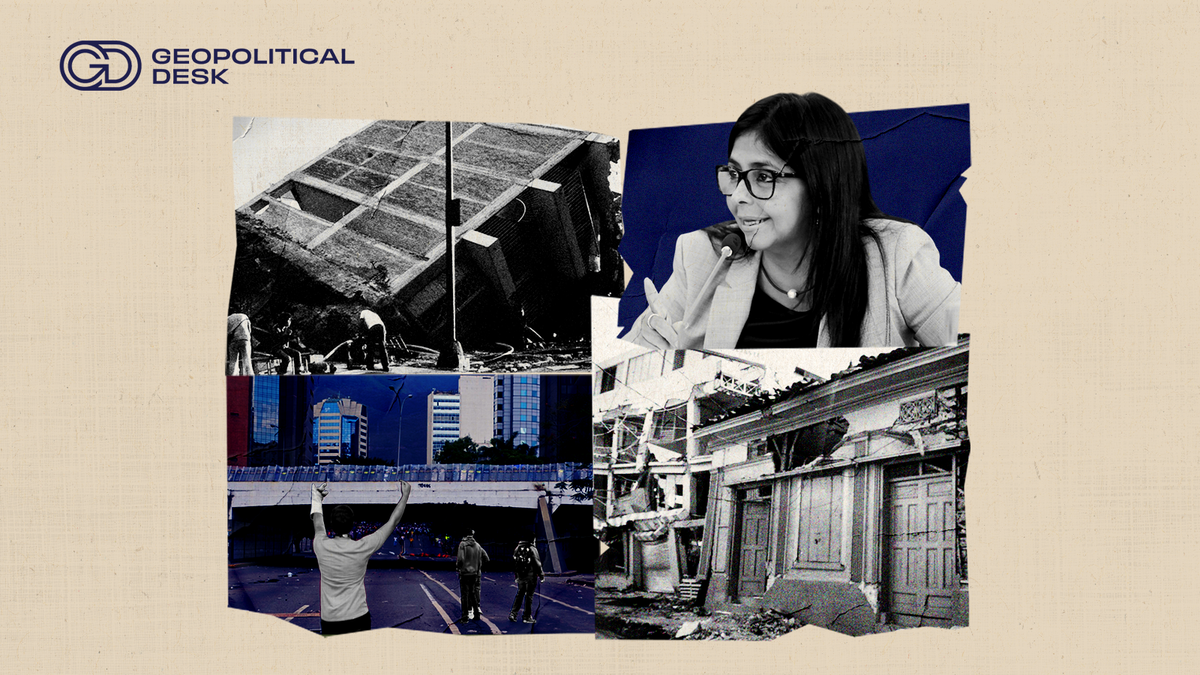
Power struggle erupts within Libya’s intelligence agency
What happened: In an exclusive interview with our desk, Presidential co-Chair Musa al-Koni has revealed he registered an objection to the appointment of Abdel Majid Mlegta as the new chief of the Libyan Intelligence agency.
Why it matters: The candidacy of Mlegta is seen as an attempt by prime minister Abdulhamid Dabaiba to strengthen his own hand in the security services and therefore ensure himself a political role in any upcoming political change that might develop in the country.
What it means: As it is being speculated that Haftar’s Libyan National Army will not be keen to approve of Mlegta as chief of the intelligence agency, this move carries the risk of disrupting the current US-backed process to unify the east and west of the country. The coming days will show whether Mlegta’s will be able to hold onto the position.
Read the full analysis:
 The Geopolitical Desk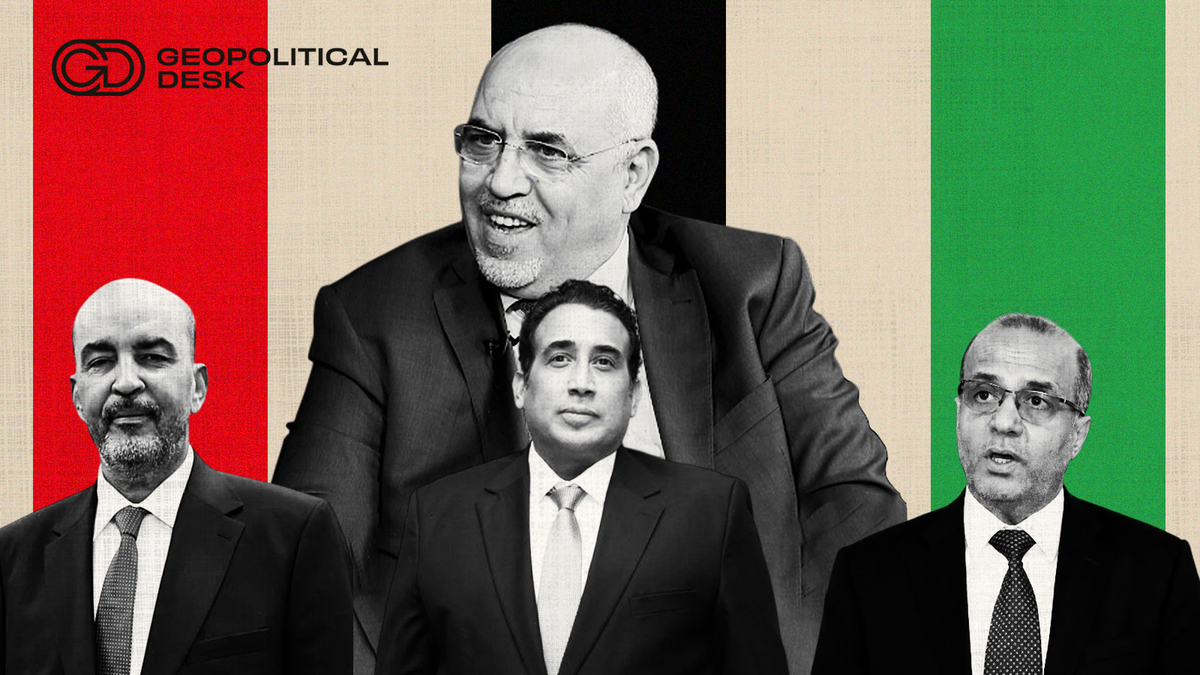
A new round of retaliatory strikes kicks off following a terror attack.
What happened: Pakistan and the Taliban government of Afghanistan fired on each other’s territory this past week in retaliatory strikes. The violence started when Pakistan hit targets in Afghanistan, which it said belonged to the group behind a terror attack in Karachi last week. The Taliban responded in kind by launching drone strikes on southern Pakistan, targeting what it claimed to be IS-K positions.
Why it matters: Relations between Pakistan and the Taliban have deteriorated sharply over the past month, leading to regular flare ups of violence, often with dozens of casualties. A full on border war between the two has become a very real risk.
What it means: With this latest back-and-forth, a new normal is setting in along the border. Whenever either of the two is hit by a terror attack, the other country will be blamed and targeted as part of a retaliatory strike, greatly affecting regional security.
Oman and Iran navigate the future of the Strait
In two weeks, the deadline included in the Iran-U.S. MoU to resume maritime traffic in the Gulf back to pre-war levels will be up.
This deadline is likely to be missed, as Tehran is wary not to lose its leverage and seeks to define its future role in the Strait of Hormuz.
Oman is Iran's prime interlocutor in this endeavour to revise the strait's administration. GPD's latest article breaks down why the two coastal states hold divergent positions, despite their good relations.
 The Geopolitical Desk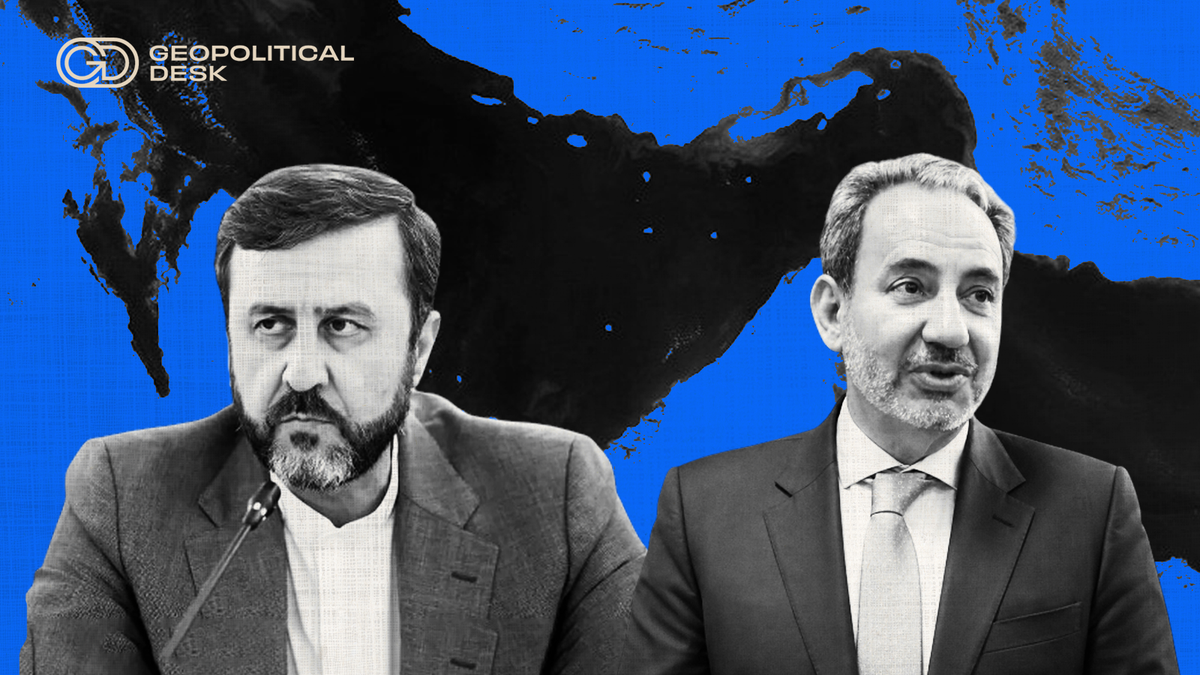
As always, thank you for reading and for your continued support.
Feel free to reply with feedback or suggestions.
See you next week,
The Geopolitical Desk team
P.S. Please forward this to anyone who might find it useful. If you’re reading this second-hand, you can sign up for our free newsletter here.
Professionals across energy markets, diplomacy, risk advisory and investment use GPD Intelligence to track geopolitical developments before they move markets.
If you find this coverage valuable, you can unlock the full Intelligence briefings and scenario analysis.


