

▸ 🇮🇷 Continued Iran and U.S. fighting point to broader war
▸ 🇱🇾🇹🇳 Heatwaves and power outages plague North Africa
▸ 🇳🇮 No more elections in Nicaragua
▸ 🇮🇳 Cockroach Protests demonstrate rare anger against Modi
As we are approaching August the summer is well to halfway done, as Europe moves into a slower vacation mode. However, across the world tensions are boiling over.
The U.S. and Iran continue to fight, pointing to the return of a broader war, even as regional countries ramp up efforts to return to a ceasefire.
Libya and Tunisia continue to suffer under brutal heat waves, with both country’s electrical grids, and their populations, reaching their breaking points.
In Nicaragua, president Daniel Ortega surprised many by announcing that going forward the country would not be organising any more elections.
A leak in exam papers in India have led to large scale protests against the Modi government, with Indian police responding with intense violence.
Now,
Lets get into it
U.S. growing reliance on Israel points to broader war
What happened: The U.S. and Iran have exchanged fire consistently for the past two weeks, with the civilian infrastructure threshold increasingly breached and U.S. strikes showing greater geographic spread within Iran. Tehran, though, has degraded U.S. capacity to launch air attacks from bases in Arab countries, Jordan chief among them, forcing a withdrawal of American assets into Israel, where forces continue to accumulate in anticipation of Trump's threatened wide-scale strikes on Iranian civilian infrastructure.
Why it matters: Netanyahu arrives in Washington next week for his seventh visit of Trump's second term, and his presence is unlikely to nudge Trump toward restraint. Israel remains a likely participant if the U.S. launches widespread strikes on Iran. A newer factor complicates the picture further: the Houthis, who have begun targeting Saudi Arabia unilaterally, threatening to choke off its Red Sea export route. That gives Tehran a wild card should escalation continue, one already tested by Houthi strikes on Aramco's Jizan refinery and the oil barrel nearing $100.
What it means: The war is once more at an inflection point, with escalation as plausible an outcome as restraint. Diplomatic efforts have intensified in parallel, with Oman, Qatar, Pakistan, Egypt and even Iraq all engaged. Tehran, though, has shown little interest in recent short-term ceasefire proposals, determined to keep fighting unless Washington chooses to de-escalate unilaterally.
Should Oman and Qatar succeed in ensuring the Strait of Hormuz is no longer contested space, as GPD has argued, much of the underlying issue would dissolve with it. You can read the full article below:
 The Geopolitical Desk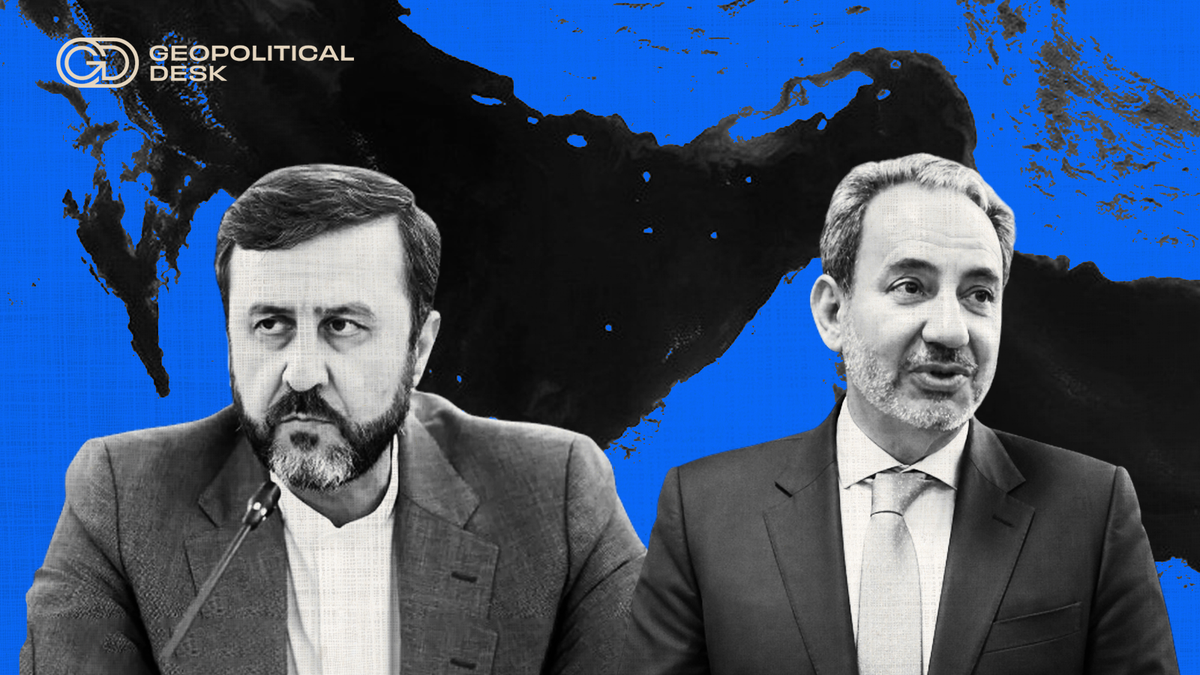
Risk metre (High): The diplomatic track has already been largely expended, and neither side currently treats de-escalation as a priority. Instead, both are seeking the point that forces the other to backtrack. As such, the region may not yet have seen the worst of this conflict.
Heatwaves and power outages plague North Africa
What happened: Power outages have hit much of North Africa, but Tunisia and Libya have been the hardest hit as ageing grids, years of underinvestment and mismanagement buckle under record demand. In Tunisia, at least five people reportedly died after electricity cuts disabled home oxygen equipment, while widespread power and water outages have fuelled protests. In Libya, some cities have endured blackouts lasting up to three days, with temperatures nearing 50°C.
Why it matters: The crisis comes as both countries are already grappling with prolonged political and economic instability. Basic services are failing just as temperatures peak, pushing public frustration to breaking point. Protests have already erupted across Tunisia and in Tripoli, with no clear end to the outages.
What it means: The protests are likely to persist and grow, placing both the Tunisian government and the Tripoli authorities under increasing pressure. Infrastructure failures are rapidly becoming a wider political challenge.
Risk metre (High): We expect protests to become more frequent and widespread across Tunisia and Tripoli in the coming days, making electricity shortages one of the region’s most significant social flashpoints this summer.
Daniel Ortega announces no more elections in Nicaragua
What happened: President Daniel Ortega announced that Nicaragua will no longer hold general elections, canceling the vote previously set for November 2027. Speaking at the Sandinista’s ‘Revolution Day’ anniversary rally, Ortega declared the move would build a "wall" to keep opposition forces from seizing power. Nicaragua’s Sandinista-controlled parliament quickly began moving to enact the directive into law.
Why it matters: The announcement formally confirms the death of Nicaragua’s electoral process, removing any remaining pretense of democratic governance. It follows years of intense crackdowns in which Ortega and his wife, Co-President Rosario Murillo, jailed or exiled top political rivals, shut down thousands of civic organizations, stripped opponents of citizenship, and silenced independent media. International leaders and the UN condemned the move, viewing it as the final seal on a full-fledged family dictatorship.
What it means: By proclaiming his authoritarian plans so openly, Ortega is taking a major risk. Under the Trump administration the US has been increasingly aggressive towards “Bolivarian” regimes such as Venezuela and Cuba. Nicaragua has so far stayed off the radar of the Trump admin, but this move could make it become a target for future policies.
Cockroach Protests demonstrate rare anger against Modi
What happened: India witnessed its largest youth-led protests in years following the cancellation of the NEET medical entrance examination over a paper leak. The Cockroach Janta Party (CJP), which began as a satirical online movement protesting broader government issues, adopted the NEET crisis as its central cause and rapidly became the protests' organising force. The movement gained further momentum after a veteran activist joined through a prolonged hunger strike, culminating in nationwide demonstrations and a march towards Parliament.
Why it matters: What began as student anger over examination integrity evolved into a broader debate over institutional credibility and political accountability. The CJP demonstrated how a satirical online movement could rapidly transform into an effective platform for offline political mobilisation. The movement remained overwhelmingly student-led, with opposition parties joining only after it had acquired significant public momentum.
What it means: The protests represent the most significant youth mobilisation against the Modi government in years but are unlikely, in their current form, to pose a sustained political challenge. Their demands remain relatively narrow and politically attainable, and recent government concessions suggest an effort to defuse the crisis before it broadens. Unless the movement expands beyond education and accountability into wider socio-economic grievances, its intensity is likely to diminish. Nevertheless, it has demonstrated the capacity of digitally organised, youth-led activism to compel government engagement, potentially providing a template for future issue-based mobilisations in India.
Risk Metre (Medium to Low): The protest movement will likely begin to gradually decline in intensity following the government's recent concessions and proposed reforms. Especially as one of the protests' main demands, the resignation of the Education Minister, was recently achieved.However, a renewed wave of protests building on the momentum generated by this movement cannot be ruled out, particularly if promised measures fail to satisfy protesters or implementation is perceived as inadequate.
Exclusive report: Analysing Iraq’s anti-corruption drive
Iraq shocked much of the world when it carried out surprise early morning arrests of political and energy officials across the country. Misinformation and rumours quickly spread following the arrests, with some Western observers claiming they were intended to target Iranian-aligned factions. In this new report, we investigate these claims and assess whether the arrests are merely for show or indicate a genuine opportunity for deeper reform.
 The Geopolitical Desk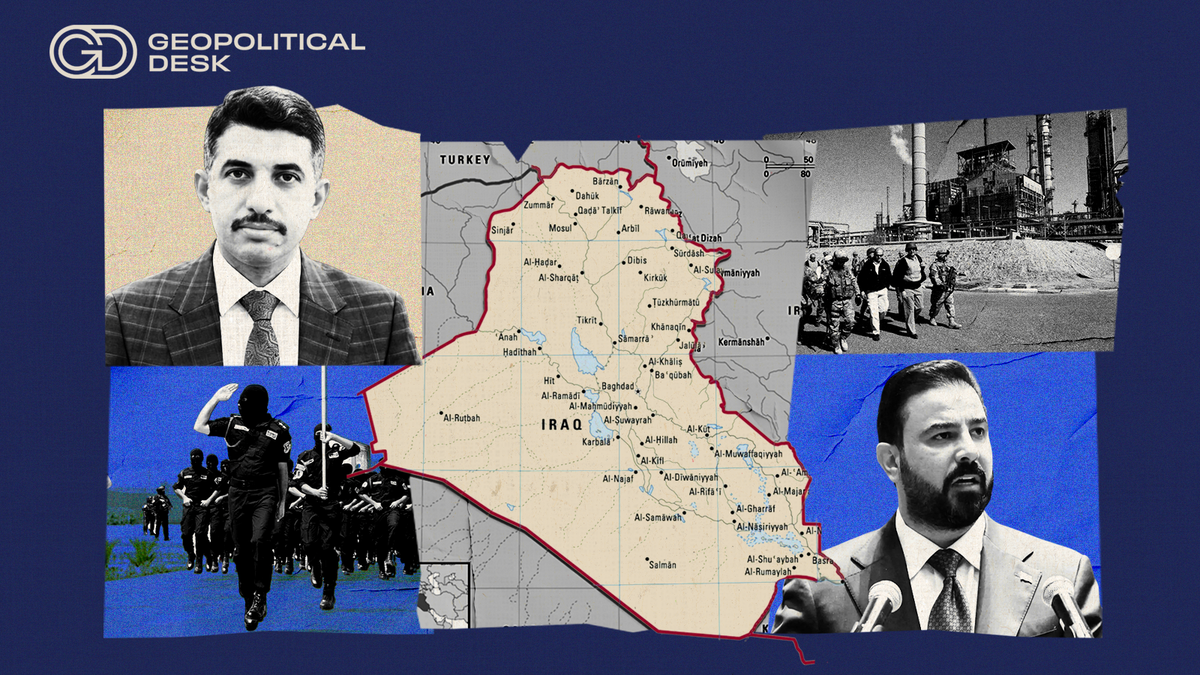
Libya gets its first domestic credit rating agency
Libya is increasingly becoming a destination for international investment, but there has been limited international understanding of the effectiveness of its domestic financial system. The creation of Libya’s first domestic credit rating agency is likely to encourage greater investment and provide more options for domestic financing.
 The Geopolitical Desk
Eastern Libya expands its humanitarian actions
Libyan National Army (LNA) commander Saddam Haftar established his own humanitarian organisation, the Khalifa International Foundation, at the beginning of the year. Since then, it has significantly expanded its operations and is now looking to extend its activities across Libya and the wider region.
 The Geopolitical Desk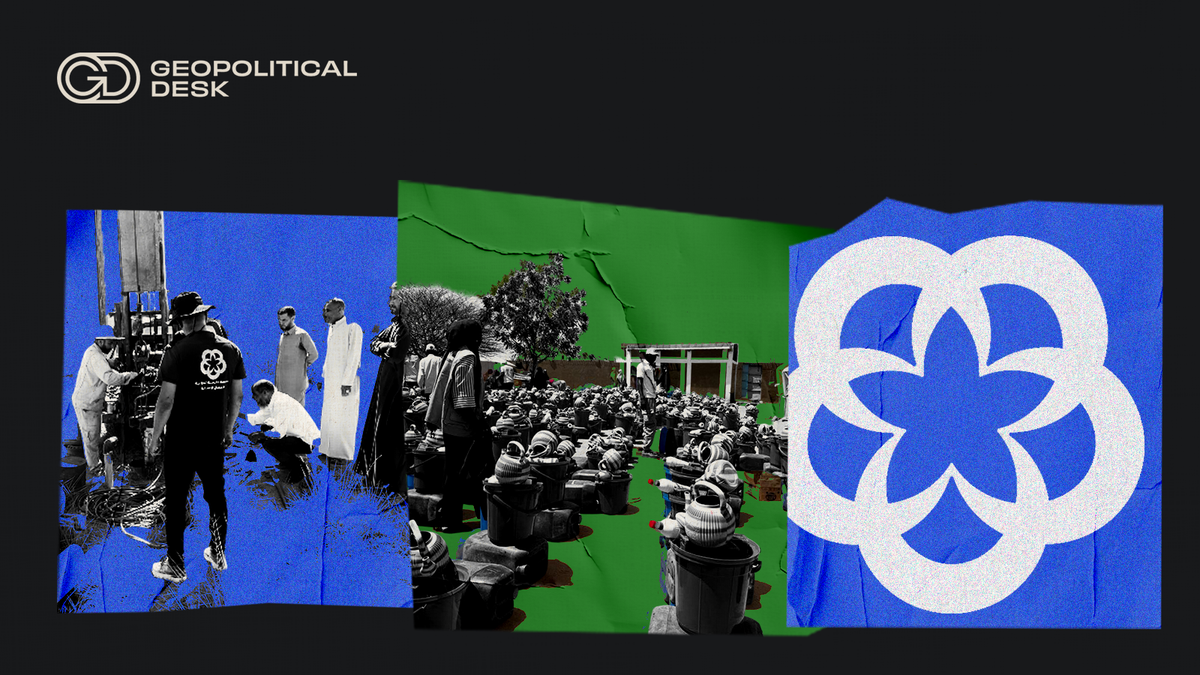
As always, thank you for reading and for your continued support.
Feel free to reply with feedback or suggestions.
See you next week,
The Geopolitical Desk team
P.S. Please forward this to anyone who might find it useful. If you’re reading this second-hand, you can sign up for our free newsletter here.
Professionals across energy markets, diplomacy, risk advisory and investment use GPD Intelligence to track geopolitical developments before they move markets.
If you find this coverage valuable, you can unlock the full Intelligence briefings and scenario analysis.


