

▸ 🇱🇾 Libya's two realities
▸ 🇮🇷 U.S. turns to economic attrition
▸ 🇺🇸🇨🇦 Breakdown in U.S.-Canada trade talks
We are continuing to monitor the situation in Libya, which is seeing increased political activity combined with growing instability in the west. Drone strikes on critical infrastructure in Zawiya have stood in contrast to advances in the Boulos process.
The U.S. and Iran have failed to come to an agreement due to general distrust, but neither side wants to commit to a full resumption of hostilities yet. Instead, the U.S. is now hoping to increase economic pressure on Iran to push for a deal in its favour.
In North America, trade tensions between Canada and the United States remain unresolved and could potentially worsen, as high-level negotiations break down.
Now,
Lets get into it
Libya’s political process gains momentum as instability deepens
What happened: Libya entered a second month of its worst power outages in years. Although there have been no further drone attacks since last weekend’s strike on a power station, Prime Minister Abdulhamid Dabaiba replaced the head of the General Electricity Company of Libya. Meanwhile, Zawiya’s security situation remains fragile, while tensions appear to be rising within the GNU coalition between the Dabaibas and powerful 444 Brigade commander Mahmoud Hamza.
Why it matters: Western Libya continues to regress socially, economically and from a security perspective. Prolonged outages are intensifying public frustration, Zawiya remains capable of igniting at any moment, and divisions within the GNU coalition could destabilise the security arrangement holding Tripoli together. Clashes, protests or both could erupt with little warning.
What it means: Political developments are moving in the opposite direction. A UN-facilitated mini-summit in Tunis concluded with participants initialling a draft agreement covering the formation of the High National Elections Commission and amendments to the electoral framework. They will meet again inside Libya before the end of August to arrange its implementation and official announcement. At the same time, Khalifa Haftar met Egyptian President Abdel Fattah el-Sisi in Cairo, where Sisi declared his support for Libya’s unification process. Saddam Haftar met Vladimir Putin in Moscow, where discussions appear to have extended beyond bilateral relations to the political process as presented by the LNA. Together, these engagements suggest the Haftar camp is communicating the process to its principal allies and securing their support.
Risk metre (High): Libya is moving in two directions simultaneously. Western Libya’s governing and security order is weakening, while the political unification process associated with the Boulos track is gaining momentum. Each could disrupt the other: instability may accelerate political compromise, but clashes or sustained social unrest could also derail it. Libya is entering an eventful few months and remains a country to watch closely.
Further analysis:
 The Geopolitical Desk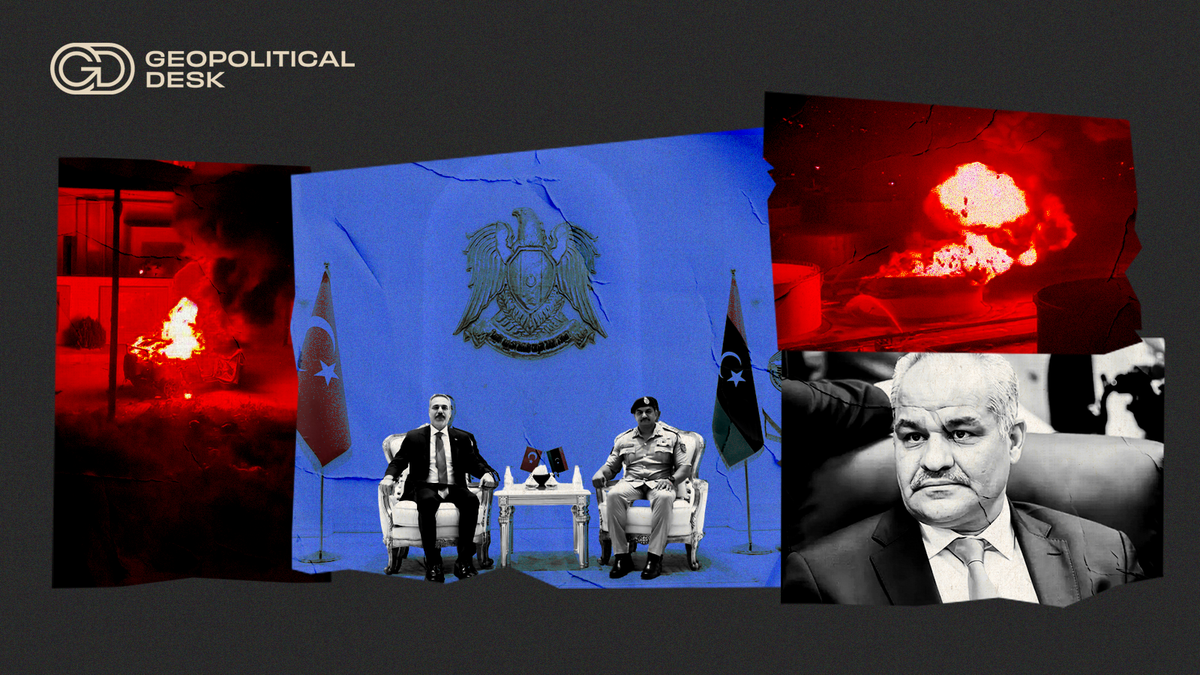
As Diplomacy Stalls, Washington Bets on Economic Attrition
What happened: The Iran-U.S. conflict is now primarily maritime and increasingly fought on the economic battlefield, with Washington hoping that worsening livelihoods in Iran would push Tehran to revise its conditions to return to talks. Meanwhile, the UAE announced a suspension of economic ties with Iran, less a new policy than a de facto acknowledgment of wartime reality, and more a signal to Washington meant to preserve its standing as a steadfast ally.
Why it matters: Next Monday (24 August), the U.S. Treasury is meant to announce unprecedented sanctions against Iran, which could potentially target the Islamic Republic's key trading partners such as China. This would come a month before a rare U.S. visit by Xi Jinping (24 September), where discussions are likely going to focus on how to manage, and ideally end, the war's effects on global markets. Ultimately, the economic attrition of this conflict cuts both ways, and the real question is whether Trump shows rare patience to let Hormuz disruption grind on for months, or whether, as earlier this year, world leaders convince him accommodation is the only way out.
What it means: The diplomatic track has stalled, including Iran-Oman talks on the Strait of Hormuz, with Washington still opposed, while the U.S. reverts to economic pressure as it did momentarily after the 8 April ceasefire. Tehran reads Washington's renewed reliance on non-kinetic pressure as an admission of military defeat, and while the economic strain worries the executive branch, it's likelier to embolden the security establishment toward offensive assertiveness than push Iran toward accommodation.
Risk metre (Moderate): Each side is waging its own narrative war: Ghalibaf claims neighbours are quietly texting about new security and economic arrangements, while Bessent insists oil markets are misreading developments and should expect no war, only the Islamic Republic's quiet collapse. Nothing could be further from the truth on that latter point. Calm may hold for the next few weeks, but Tehran is confident it can return to kinetic action, potentially by the end of September, in order to shift Washington's focus away from maximum pressure.
Further analysis:
Read our latest Iran article to understand why a return to a strengthened version of the June MoU remains both Washington and Tehran's better option, despite the interim deal's inherent weaknesses and perennial Iran-U.S. distrust.
 The Geopolitical Desk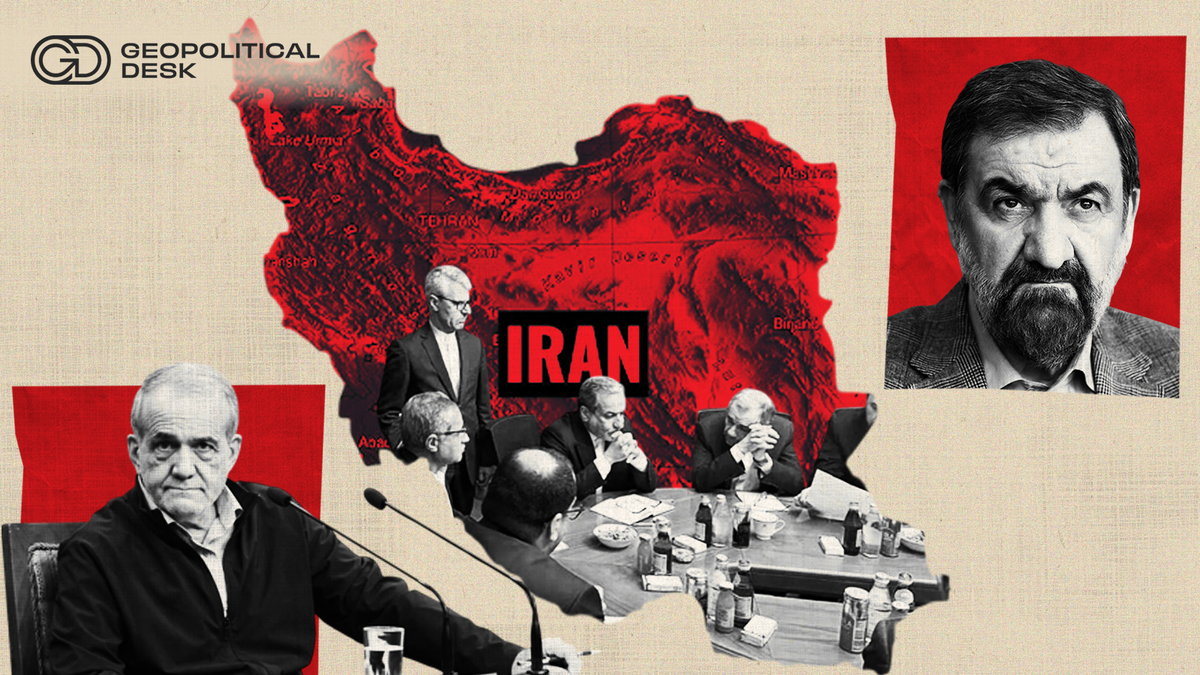
U.S.-Canada trade talks hit a wall
What happened: Canada walked away from intense trade negotiations that would have likely seen U.S. tariffs reduced on important Canadian exports like aluminium, steel, and cars. Canadian Prime Minister Carney stated that a deal was near completion, but that the Trump administration had asked for last-minute concessions.
Why it matters: The negotiations are critical for both the U.S. and Canada, as the tariffs have hurt vital Canadian industries while also drastically raising the cost of products in the United States. Trump, increasingly unpopular at home due to a high cost of living, is attempting to balance his personal affinity for tariffs while also trying to reduce costs to ease domestic pressure. Instead, however, with this impasse, it looks like the trade war between the two will intensify for now.
What it means: There will likely be an immediate escalation period, in which the U.S. will attach more tariffs to Canadian products, with Canada retaliating one-for-one. However, there is a political imbalance between the two, as Canadians and some vital Canadian governors approve of Carney’s approach, while Americans are increasingly angry about the high cost of living. Trump has been dedicated to his tariff policy, but there is a chance he could back down or find an off-ramp if prices in the U.S. begin to rise dramatically, especially with upcoming mid-term elections.
Afghanistan's instability continues
The Taliban are celebrating five years since their return to power in 2021, but since then, they have failed to fix the country’s weary economy. This failure to reform has helped drive low-level insurgencies across the country, both from the Islamic State and former Republic factions. While the Taliban face no real threat to their rule in the short term, if they continue to resist change, armed groups will only continue to slowly build up their own strength.
 The Geopolitical Desk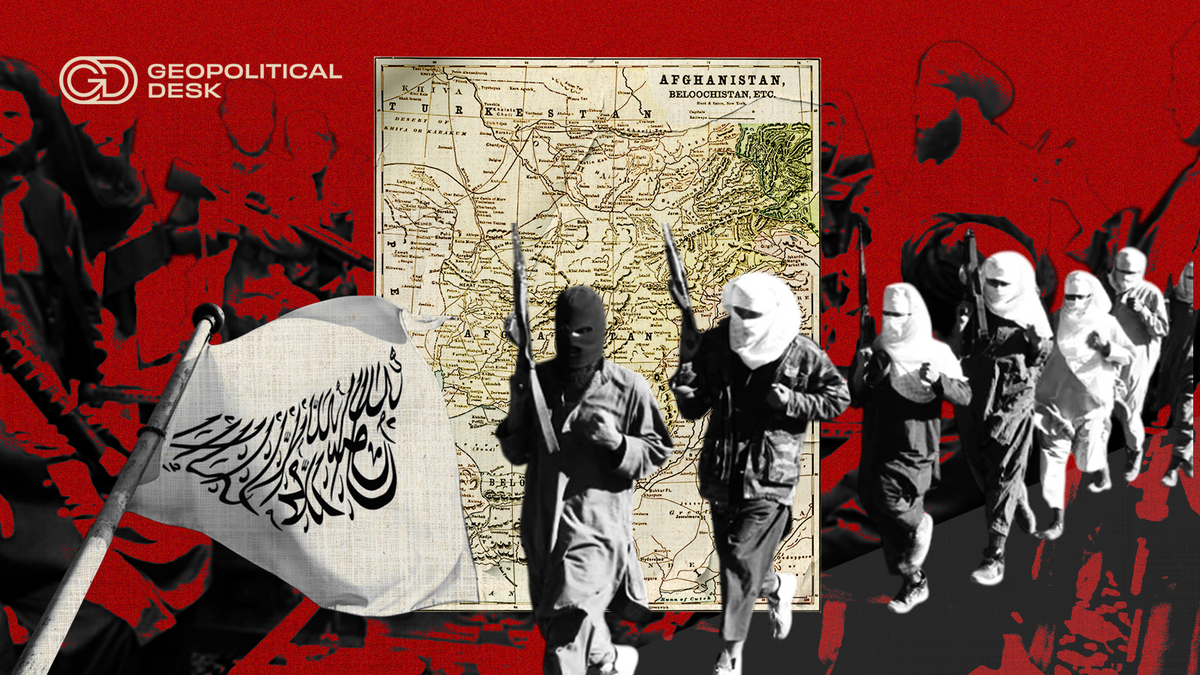
Algeria builds its new parliament
For the first time in Algeria’s history, the country now has a female prime minister in charge of the country’s new national parliament. However, this new governing body is a simple facelift of the status quo and lacks any real power to implement change. The Algerian state mainly hopes that the new body can help reduce the anger that helped spawn the 2019 Hirak movement, but without real reform, the country will continue to face major issues.
 The Geopolitical Desk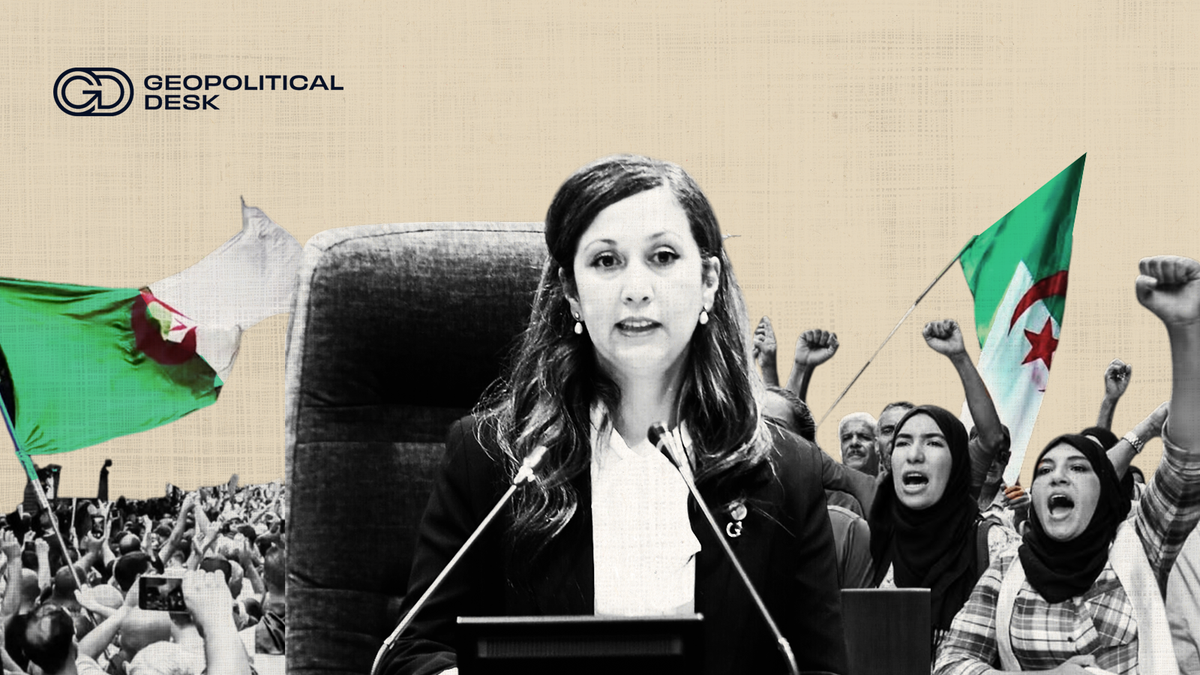
As always, thank you for reading and for your continued support.
Feel free to reply with feedback or suggestions.
See you next week,
The Geopolitical Desk team
P.S. Please forward this to anyone who might find it useful. If you’re reading this second-hand, you can sign up for our free newsletter here.
Professionals across energy markets, diplomacy, risk advisory and investment use GPD Intelligence to track geopolitical developments before they move markets.
If you find this coverage valuable, you can unlock the full Intelligence briefings and scenario analysis.


