

▸ 🇮🇷 Diplomatic action over the Strait of Hormuz
▸ 🇾🇪 Clashes in Yemen
▸ 🇲🇲 Myanmar Junta leader’s visit to Thailand
It is a familiar cycle: the U.S. and Iran trade blows across the region, the U.S. president threatens heavier attacks on civilian infrastructure, then reports emerge of progress towards a deal, only for Iran to dismiss them. Then the cycle threatens to repeat.
This cycle, of course, is never guaranteed, and it should not be assumed that this will last forever. This week, we look at the chances of an agreement regarding the Strait of Hormuz, as well as the same lingering issues that could see any future deal fail.
Additionally, tensions in Yemen have continued to rise after the Houthis and Yemeni government forces clashed in their most violent confrontations in years.
Across the world, Myanmar's military leader, Min Aung Hlaing, received a warm welcome in Thailand, indicating potential re-engagement in Southeast Asia after years of diplomatic isolation.
Now,
Lets get into it
Back to full circle: Diplomacy reopens the door to an MoU+
What happened: Trump's threats of massive strikes on Iran have been shelved, with Gulf states warning that such an escalation would trigger the kind of Iranian retaliation the region cannot absorb. Diplomatic efforts have picked back up, this time aimed at a return to the MoU, but a stronger version of it, one that resolves in advance the Strait of Hormuz management questions left unsettled in June. That makes the Iran-Oman talks the hinge on which everything else turns.
Why it matters: A return to peace is back within reach, but getting there requires actual progress on the specifics, not just political will. The entire premise of an MoU+ is to close the gaps that let the original deal collapse within weeks, particularly the ambiguity that let Iran and the U.S. talk past each other on the strait.
What it means: A durable peace is far from certain. Last month's decentralisation of the conflict means the Houthis and Iraq's PMF would also need to lay down arms, actors with their own grievances and agendas separate from Tehran's. Trump's own conduct adds another layer of risk, since a revanchist spirit is likely to persist within him regardless of how talks proceed, and Iran's insistence on a hard bargain in talks could once again tip a fragile interim arrangement into collapse. Even if an MoU+ is achieved, a final agreement remains a distant prospect.
Risk metre (Moderate): The appetite for de-escalation is real on both sides, but the structural problems that broke the last deal, proxy actors outside Tehran's full control and a U.S. president disinclined to accept failure, haven't gone away. A second collapse remains a live possibility even if the coming weeks bring genuine progress.
Yemen teeters toward wider conflict
What happened: The Houthis and the Yemeni government have directly attacked each other in recent days, marking the first time in years that both sides have engaged in heavy kinetic activity. It began when the Houthis struck multiple Yemeni government sites in Hadramout and Marib, killing around 30 Yemeni soldiers. The Houthis stated that the attacks were pre-emptive, claiming that Saudi forces were preparing for an offensive. The government responded by announcing that it had launched a counter-offensive against Houthi positions.
Why it matters: These are the heaviest intra-Yemeni attacks since the 2022 ceasefire that established an unstable status quo between the two factions. It is also a significant operation for the Yemeni government, which has long been plagued by instability. The government's ability to launch a coordinated operation demonstrates that it has been able to rebuild itself after internal clashes between pro-Saudi forces and UAE-backed southern separatists earlier this year
What it means: The return to open hostilities between the two sides, combined with recent tensions between the Houthis and Saudi Arabia, means that Yemen could once again descend into a wider war after several years of an unstable ceasefire. A return to war in Yemen could also see the return of famine and a country-wide civilian crisis.
Risk metre (Moderate): While the recent attacks and open hostilities could easily spiral and expand, much of the recent tension has mainly been caused by the overall tense state of the region. It is not surprising that the U.S.-Iran war, which has upended the status quo in the Persian Gulf, is helping to spur other crises in the region. These recent attacks should be taken seriously and create a real risk, but if the U.S. and Iran somehow reach an agreement over the Strait of Hormuz and de-escalate the conflict, there is a chance it could also slow tensions in Yemen.
Myanmar’s Junta leader receives warm welcome
What happened: Myanmar’s military leader and self-proclaimed President, Min Aung Hlaing, conducted an official two-day state visit to Thailand, where he was received in Bangkok by Thai Prime Minister Anutin Charnvirakul with full ceremonial honours. The bilateral talks centered on economic cooperation, migrant worker policies, river management, and regional stability, leading to several signed memorandums of understanding.
Why it matters: The visit represents one of Min Aung Hlaing’s highest-profile foreign trips since assuming the presidency following military-staged elections. While Western powers continue to sanction his regime over the 2021 military coup and widespread human rights abuses, Thailand’s reception grants him significant diplomatic visibility. Human rights groups and pro-democracy advocates strongly condemned the meeting, arguing it bestows false legitimacy on a junta chief facing international scrutiny for alleged war crimes.
What it means: Myanmar’s armed opposition has looked with dismay towards the visit. Resistance forces in Myanmar are very dependent on the Thai border region for supply routes, cross-border smuggling and a safe haven for refugees fleeing the violence. Many fear that following this visit Thailand will start cracking down on resistance activities within its own territory.
Turkey in a new Middle East
Turkish President Recep Tayyip Erdogan has long sought to make Turkey a major centre of power in the Middle East. While he has not necessarily made Turkey the hegemon of the region, he has made the country a major piece of a greater puzzle, though he is hampered by an economy that is increasingly weak.
 The Geopolitical Desk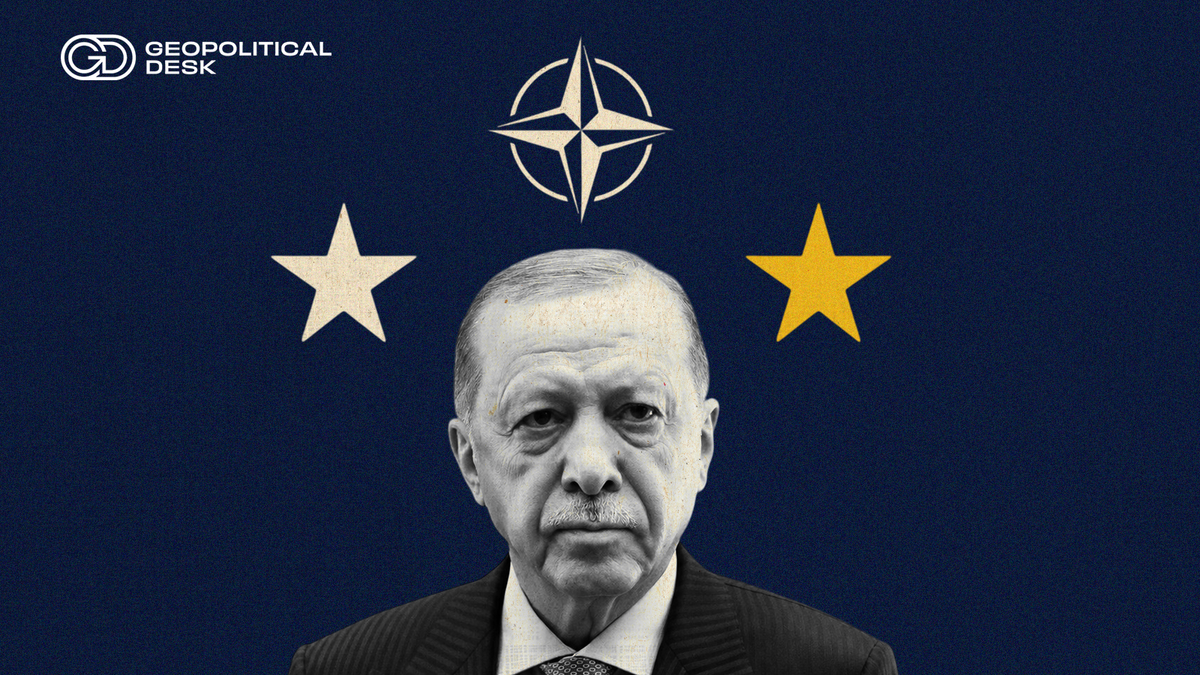
Mali and Algeria forced back together
The Islamist and Tuareg insurgency in Mali had driven the once-close countries apart, as Bamako publicly accused Algiers of supporting the separatists. However, while Mali could afford its bravado a few years ago, the situation in the Sahara has worsened considerably, and the Junta must now repair relations with Algeria if it wants to survive.
 The Geopolitical Desk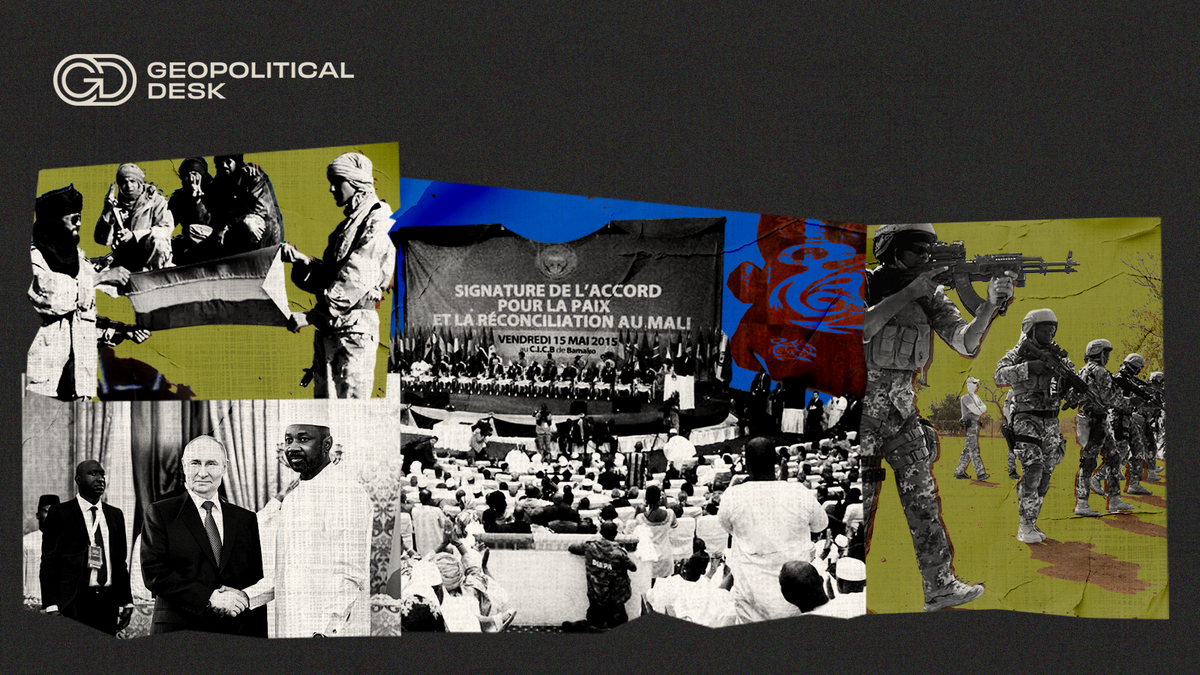
Putin’s global ambitions stuck
When Vladimir Putin attacked Ukraine, he believed that he could overcome his initial failures through sheer attrition over time, expecting that incoming President Donald Trump would reduce support for Ukraine. However, Ukraine has found its footing, building its relations with Europe, maintaining ties to Washington, D.C., and reforming its military strategy. Putin has been forced into an increasingly uncomfortable position, as the stalemate in Ukraine is slowly starting to backfire against him.
 The Geopolitical Desk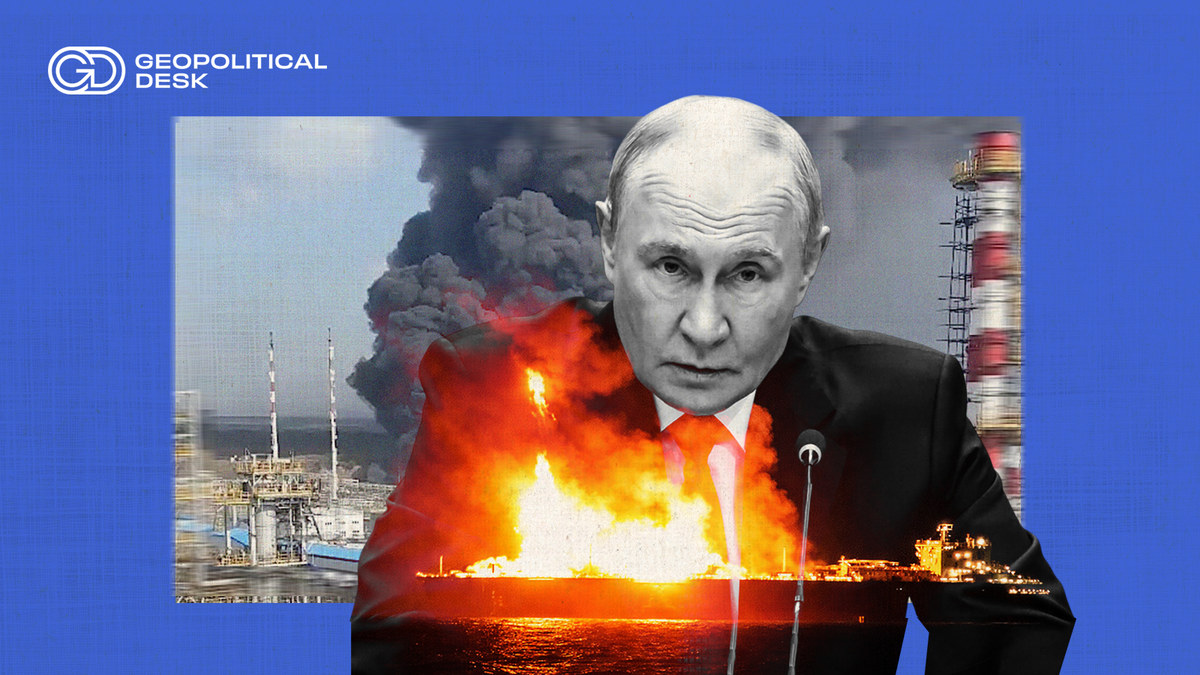
As always, thank you for reading and for your continued support.
Feel free to reply with feedback or suggestions.
See you next week,
The Geopolitical Desk team
P.S. Please forward this to anyone who might find it useful. If you’re reading this second-hand, you can sign up for our free newsletter here.
Professionals across energy markets, diplomacy, risk advisory and investment use GPD Intelligence to track geopolitical developments before they move markets.
If you find this coverage valuable, you can unlock the full Intelligence briefings and scenario analysis.


