
▸ 🇮🇷 The U.S. naval blockade of Iranian ports and what it signals about Washington's endgame
▸ 🇾🇪 The Houthis' strategic restraint and how long it holds
▸ 🇱🇧 The Israel-Lebanon ceasefire talks and whether a durable arrangement is possible
▸ 🇱🇾 How Massad Boulos is reshaping Libya's political reality
▸ 🇨🇳 China's energy dilemma as chokepoint pressure compounds
▸ The GPD Team goes to Madrid Energy Conference
The accumulated weight of unresolved questions around the Iran war is making the world economy increasingly divided.
The Strait of Hormuz remains effectively closed and the U.S. Navy has now officially finalised a blockade of Iranian ports, ordering 13 vessels to turn around as Washington attempts to force Iran to agree to better terms.
And yet a ceasefire of sorts persists. Fragile, contested and increasingly strained by the gap between what each side has agreed to and what each side believes it has agreed to.
Nowhere is that gap clearer than on Lebanon. Israel and Lebanese representatives held talks in Washington this week, with Trump announcing a 10-day ceasefire.
But the underlying positions remain irreconcilable in the near term: Israel wants Hezbollah dismantled; Beirut wants Israel to leave.
The Houthis, meanwhile, continue to confound expectations.
Despite weeks of promises to assist Iran if the Gulf war dragged on, Yemen's Houthi movement has carried out only a few missile attacks on southern Israel and otherwise stayed on the sidelines.
Domestic governance pressures, the resource cost of their previous engagement with the U.S., a desire for a deal with Saudi Arabia, and the strategic logic of keeping Bab al-Mandab as a final card rather than playing it prematurely are all factors at play.
The closure of both Hormuz and Bab al-Mandab simultaneously would cut off 25% of global energy traffic, which is why Iran and its proxies are holding it in reserve.
Global markets, in the face of all this, are surprisingly bullish and do not seem to be accurately pricing the risks associated to the ongoing conflict.
To make matters more surreal, Trump and Pope Leo XIV are in open dispute.
After Pope Leo criticised the administration's conduct of the Iran war, Trump and senior Republican figures responded by attacking him on matters of theology.
It is a signal of how isolated Washington's war posture has become, when the sitting U.S. president is in a public argument with the Pope about the morality of his foreign policy.
At GPD, we published two pieces this week that we think are essential reading for anyone trying to understand what's happening in the region.
One on Libya, which argues that the country's long-standing status quo is finally seeing its first potential shake-up in years, and one on China's strategic exposure to the current energy disruption.
And next week, we will be in the Spanish capital for the Madrid Energy Conference, where we will hear about how Latin America can play a strategic role in meeting Europe’s energy security needs at a time of global disruptions.
GPD readers can use code MEC26 for $150 off tickets:
Let's get into it.
Massad Boulos is creating the next Libyan reality
What happened: The diplomatic process pushed by the United States via Massad Boulos, which we have been tracking closely over the past several weeks, is actively reshaping the architecture of Libya's political settlement, determining which actors are legitimised, which are marginalised, and what the country's next institutional reality will look like.
Why it matters: Libya's diplomatic history is littered with international processes that failed to produce tangible outcomes. What distinguishes the current moment is the combination of a U.S. interlocutor with political proximity to the White House, a Libyan factional environment that is for the first time in years showing signs of flexibility, and an external pressure environment created by the Iran crisis that has concentrated minds in Tripoli, Benghazi and the major European capitals simultaneously. The technical talks between the Haftar and Dabaiba factions, which GPD reported last week, are one output of this process.
What this means: The actors who engage constructively with the Boulos process now are positioning themselves for influence in whatever institutional arrangement emerges. Those who stay on the sidelines or who attempt to spoil, risk finding themselves outside the architecture that is being built. For energy sector operators, infrastructure investors and governments with strategic exposure in Libya: the window for positioning is open, but it is not permanent.
Read the full exclusive:
 The Geopolitical Desk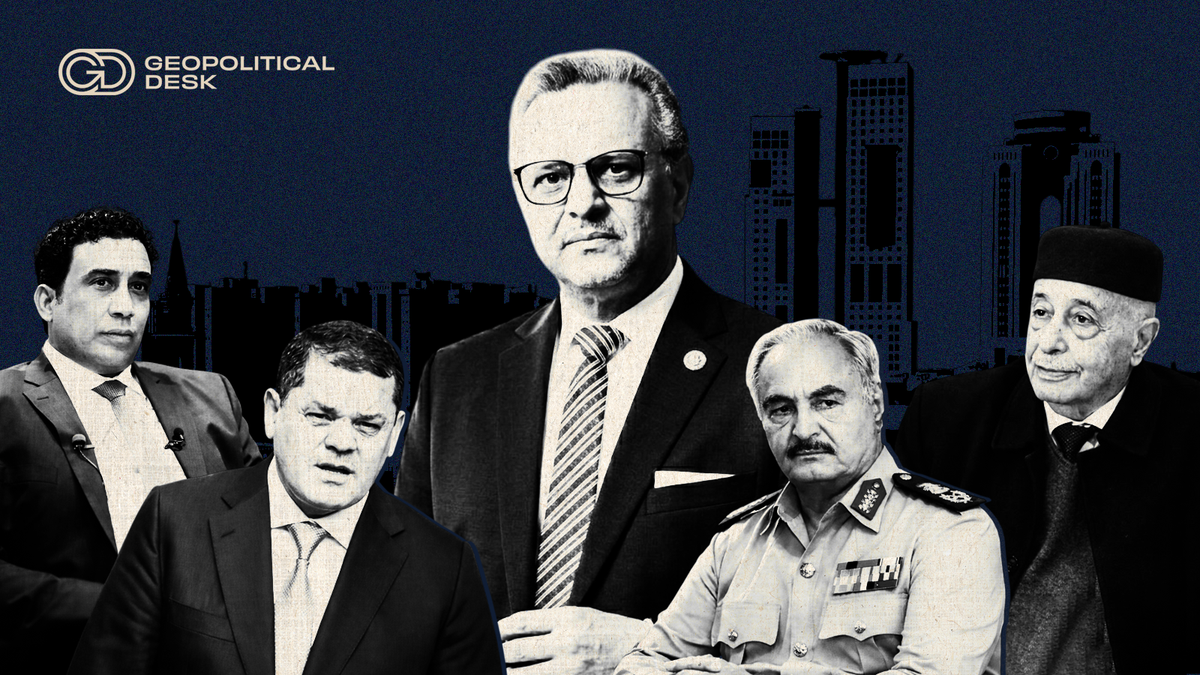
The indirect war: chokepoint hegemony and China's energy dilemma
What happened: The second order effects of the U.S.-Israel-Iran conflict on China are becoming increasingly apparent. Not through direct military exposure, but through the strategic pressure that comes from dependence on energy chokepoints now effectively controlled or contested by U.S. naval power. With Hormuz closed and Bab al-Mandab held in reserve as a Houthi card, China's energy import architecture is under strain in ways that Beijing's long-term strategic planning may have not fully anticipated.
Why it matters: China is the world's largest crude importer. Its exposure to Hormuz is structural. The current crisis is functioning as a live stress test of Beijing's energy security assumptions, and the results are not yet clear. What the analysis shows is that the U.S., whether intentionally or as a byproduct of its Iran policy, has demonstrated a capacity to apply indirect pressure on Chinese energy flows without a direct confrontation. That is a significant geopolitical finding, and one with implications that extend well beyond the current conflict.
What this means: For those tracking U.S.-China competition, the Iran war has inadvertently clarified something important about the asymmetry of chokepoint leverage. China is acutely aware of this and has been investing in overland pipeline alternatives and port access across the Indian Ocean littoral for precisely this reason. But those alternatives are not yet sufficient to offset Hormuz exposure. The crisis is accelerating Chinese strategic thinking on energy independence in ways that will reshape infrastructure investment and diplomatic positioning across Central Asia, the Gulf and East Africa for years to come.
Read the full analysis:
The Geopolitical Desk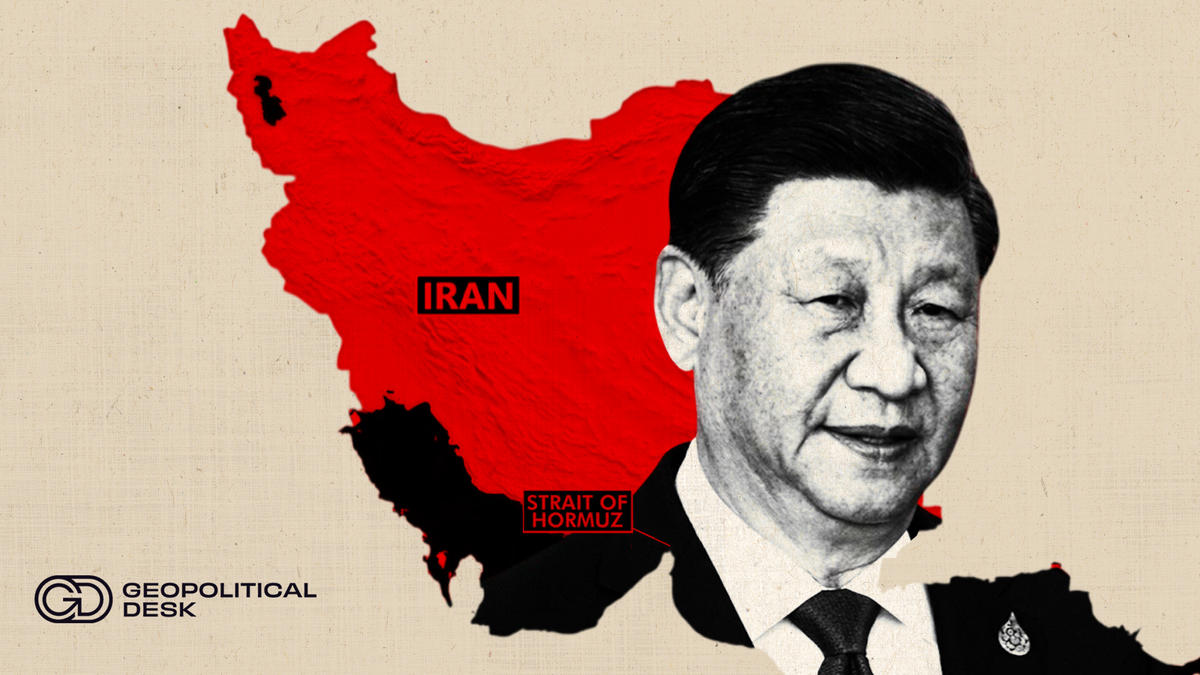
Why haven't the Houthis closed Bab al-Mandab?
What happened: Despite weeks of public commitments from Houthi leadership to assist Iran if the Gulf war continued, the movement has carried out less than half a dozen missile attacks and has otherwise remained on the sidelines. The Bab al-Mandab Strait, through which 15% of global shipping passes, remains open.
Why it matters: The restraint is a strategic posture, shaped by at least three distinct pressures.
- First, the Houthis are struggling to govern north Yemen effectively. Deeper engagement in a regional conflict would force resources away from an already fragile domestic situation.
- Second, the movement's previous engagement with the U.S. cost it resources that were not easily replaceable, and joining the Iran war more fully risks drawing sustained American targeting again.
- Third and most significantly, the Houthis want a deal with Saudi Arabia. Since Riyadh took control of south Yemen, the Houthis see a greater chance of an agreement and have little incentive to antagonise the Saudis by escalating in a way that destabilises the wider Gulf.
What this means: The closure of Bab al-Mandab is Iran's last major escalation card, and Tehran does not want to play it unless necessary. The simultaneous closure of Hormuz and Bab al-Mandab would cut off approximately 25% of global energy traffic, a move with consequences so severe that its value lies almost entirely in the threat rather than the execution. The Houthis understand this. If the ceasefire breaks down, the calculus changes and the likelihood of Houthi intervention increases materially. But for now, restraint is serving everyone's interests, including their own.
Background reading from the GPD Archive:
The Geopolitical Desk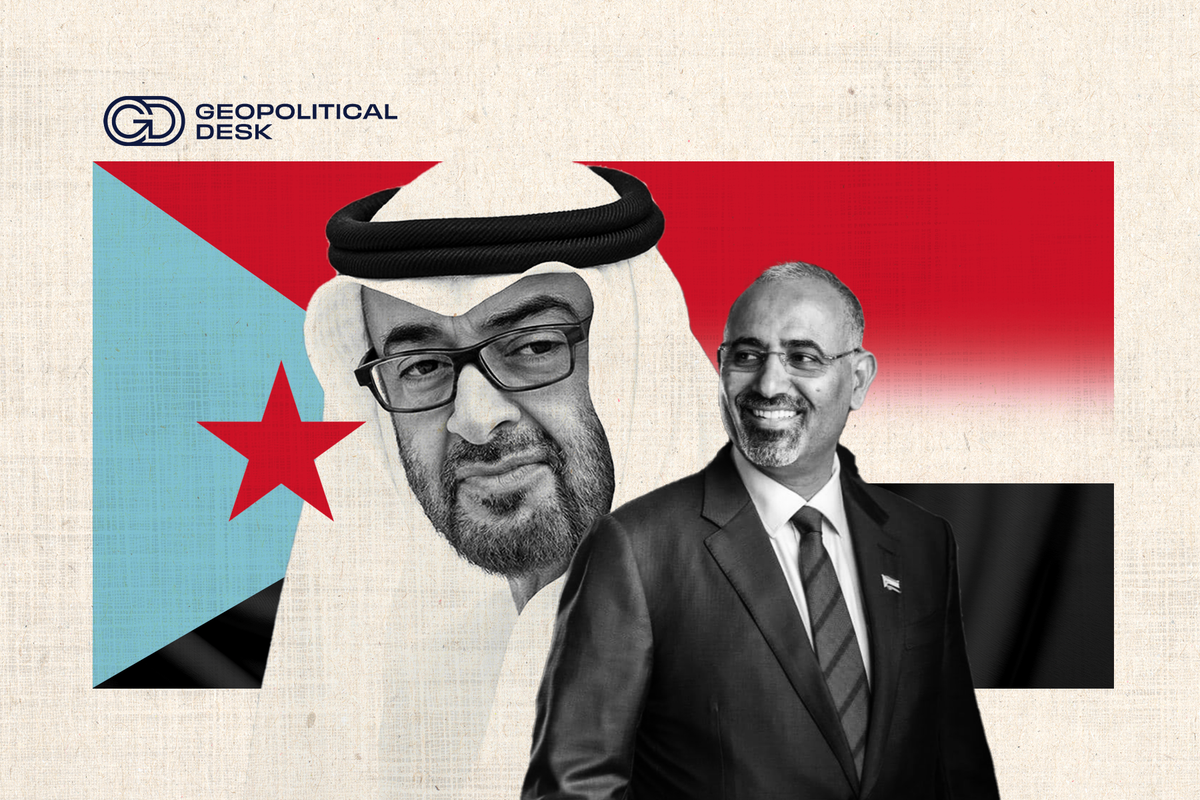
GPD at Madrid Energy Conference
As Europe looks to reduce exposure and rebuild supply chains, Latin America is moving back into focus as a strategic partner in energy and minerals.
The Madrid Energy Conference convenes policymakers, investors and industry leaders around this shift. With a clear emphasis on the Europe-Latin America corridor, it offers a timely lens into how energy security is being redefined.
The GPD Team is looking forward to being in Madrid to exchange perspectives with operators, policymakers and investors who are navigating the same questions we have been writing about.
GPD readers can use code MEC26 for $150 off tickets.
As always, thank you for reading and for your continued support.
Feel free to reply with feedback or suggestions — or, if you're in Madrid next week, to arrange a meeting.
See you next week,
Oliver Crowley
Co-Founder, The Geopolitical Desk
P.S. Please forward this to anyone who might find it useful. If you’re reading this second-hand, you can sign up for our free newsletter here.
Professionals across energy markets, diplomacy, risk advisory and investment use GPD Intelligence to track geopolitical developments before they move markets.
If you find this coverage valuable, you can unlock the full Intelligence briefings and scenario analysis.
