

▸ Eastern Mediterranean gas and the emergence of a new regional energy architecture
▸ 🇺🇸 America's retreat from the liberal order it built, and what replaces it
This week, GPD published two pieces of analysis that examine some of the structural changes that are unfolding across the world economy.
The first examines the Eastern Mediterranean's renewed role as a gas hotspot, one that is quietly reshaping the energy map of the Levant and creating new alignments between states that have historically been adversaries.
The second takes a hard look at what it means for the global economy when the United States, the architect of the post-war international order, is actively dismantling the rules it spent decades enforcing.
These are two expressions of a world in which the old architecture is losing its load-bearing capacity, and new arrangements — some promising, some dangerous — are filling the space.
Let's get into it.
The rise of Eastern Mediterranean gas
What happened: The reemergence of the Eastern Mediterranean as a significant gas province through the development of offshore fields, as well as the commercial and diplomatic architecture being built around them, provides a strong indicator about what the region's energy potential means for the states involved and for the broader European energy picture.
Why it matters: The Eastern Mediterranean gas story has been developing for over a decade, but it has consistently been overshadowed by the region's security dynamics and geopolitical competition. What our analysis shows is that the energy picture has matured to the point where it is itself becoming a driver of those dynamics — shaping alignments between Israel, Cyprus, Greece and Egypt in ways that would have seemed implausible a generation ago, and offering Europe an alternative supply architecture at precisely the moment when the Iran crisis has made diversification a strategic imperative rather than a preference.
What this means: As most energy sector operators, infrastructure investors and anyone tracking the geopolitics of European gas supply already know, the Eastern Mediterranean is no longer a periphery. The fields are real, the commercial frameworks are being built and the political incentives driving cooperation between historically complicated neighbours have rarely been stronger. The question is no longer whether this gas reaches European markets, but on what timeline, through which routes, and under what political conditions. Our analysis maps the answers.
Read the full analysis:
 The Geopolitical Desk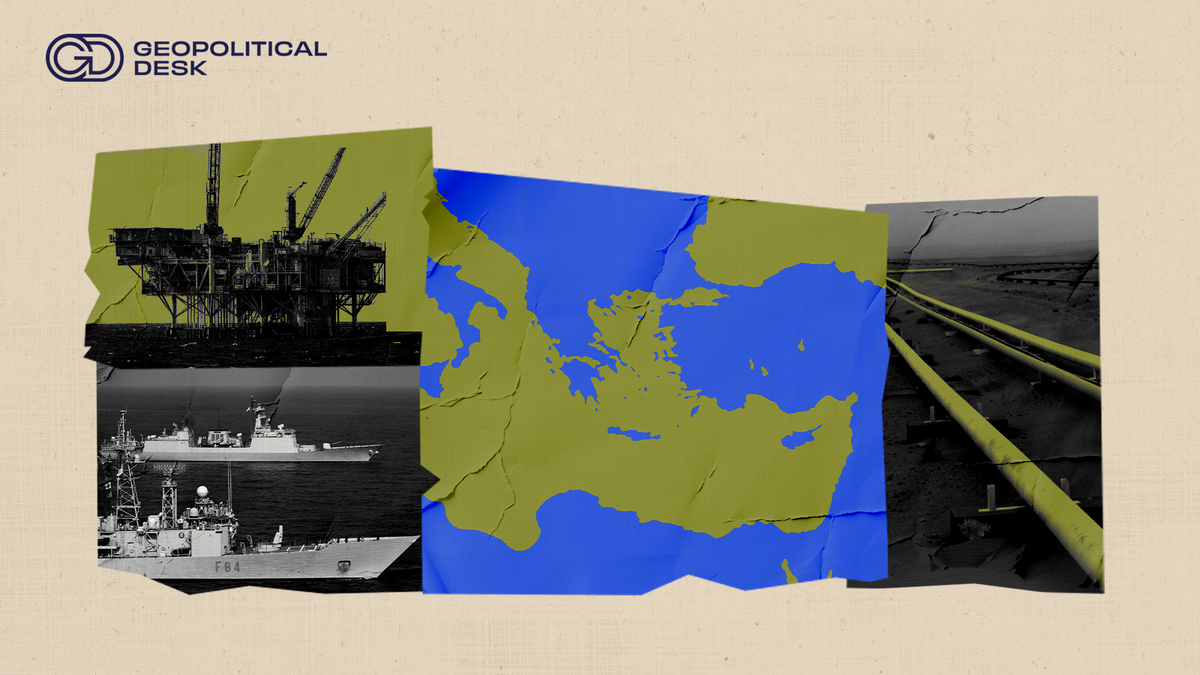
America against its own order
What happened: The United States' relationship with the international order it built after 1945 has been frought, against the backdrop of an American administration that is not merely disengaging from that order but actively working against its foundational principles. Our latest piece on the topic is not an argument about Trump's personality or rhetoric, but a structural analysis of what happens when the order's guarantor becomes its most consequential challenger.
Why it matters: The post-war network of institutions, treaties, norms and enforcement mechanisms centred on American power was always more fragile than it appeared. Its durability depended not just on U.S. military and economic primacy, but on American willingness to be constrained by the rules it had written. What the current moment reveals is that this willingness was always contingent. When the domestic political calculus changed, so did the commitment. The Iran war's conduct, the assault on multilateral institutions, the retreat from alliance obligations and the normalisation of unilateral action have not happened in a vacuum. They are the logical extension of a political movement that concluded the order was no longer serving American interests as defined by its current leadership.
What this means: The world does not yet have an alternative architecture capable of replacing what American-led order provided. The gap between the erosion of the old system and the construction of whatever comes next is the defining geopolitical risk of this decade. It creates space for revisionist powers, for regional actors to pursue interests they previously could not, and for the kind of institutional vacuum that history suggests is rarely filled cleanly. The analysis is essential reading for anyone trying to understand not just the current crisis, but the environment in which every subsequent crisis will unfold.
Read the full analysis:
 The Geopolitical Desk
As always, thank you for reading and for your continued support.
Feel free to reply with feedback or suggestions.
See you next week,
Oliver Crowley
Co-Founder, The Geopolitical Desk
P.S. Please forward this to anyone who might find it useful. If you’re reading this second-hand, you can sign up for our free newsletter here.
Professionals across energy markets, diplomacy, risk advisory and investment use GPD Intelligence to track geopolitical developments before they move markets.
If you find this coverage valuable, you can unlock the full Intelligence briefings and scenario analysis.
