
The growing distortion of reality in international relations
This week's headlines have been dominated by one question: are the U.S. and Iran close to a deal to end the war?
U.S. President Donald Trump has continued to say they are very close to a deal, while Iran has been clear that there have been no talks.
Crude markets have responded in kind, cooling whenever Trump gives assurances that the war will soon be over, and then immediately rising again when Iran denies the rumours.
While the two sides might be engaged in talks, with Pakistan stating that it could host such an event, that does not mean either side is close to a deal.
The Iranian Speaker of Parliament, Mohammad Bagher Ghalibaf, has even accused Trump of using his statements to manipulate oil markets in an effort to keep oil costs low and minimise domestic frustration in the U.S.
This incident has highlighted the fact that the idea of “the truth” has increasingly broken down on the international stage.
There was once a general expectation that when a government like that of the United States announced something, it was credible.
It had long been assumed that the architect of the “rules based order” followed those rules, but Trump’s America has refused to uphold those norms.
This constant uncertainty has had a real material impact, causing fluctuations in global oil markets that affect the lives of millions of people.
This demonstrates the increasing importance of informational clarity in the modern age, and how traditional sources of information may no longer be as reliable as they once were.
At The Geopolitical Desk, we continue to cut through the noise and the information war that dominates headlines, and have expanded our Iran coverage to better prepare readers for the continued turbulence arising from this conflict.
In a recent special report, we break down the likely risk pathways regarding the trajectory of the war and how it will impact oil markets in the short to long term.
Link to the full report here:
 The Geopolitical Desk
What will Trump do next?
While the battle over narratives surrounding negotiations continues, there are growing reports in U.S. media that a possible invasion of Iran's Kharg Island may be forthcoming.
Trump’s continued pursuit of the war has confused many international observers.
The president has a proven track record in relation to Iran, where he simultaneously pursues negotiation while preparing for escalation.
Despite his often stated opposition to regime change wars, Trump has historically been more hawkish on Iran.
Our recent article explains the domestic factors in the U.S. that helped lead to the war and examines Trump’s longstanding opposition to the Islamic Republic.
Our full analysis here:
 The Geopolitical Desk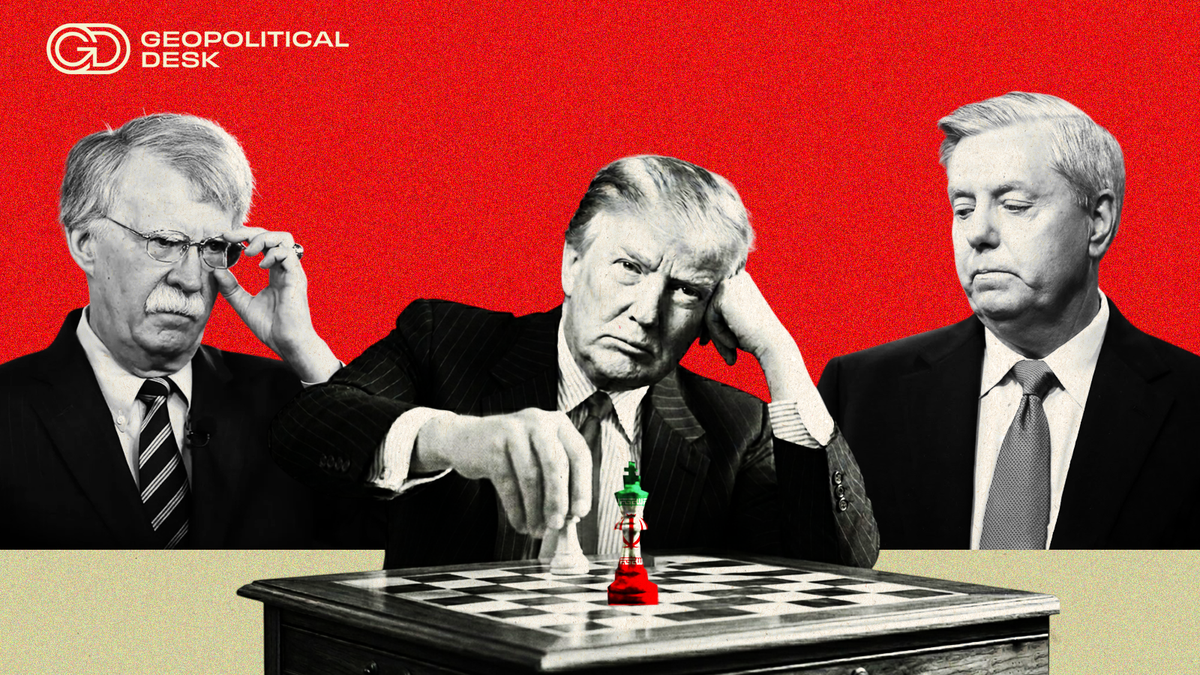
Taking advantage of the moment
The wars in Ukraine and Iran have revealed that the world's energy supplies remain reliant on a limited number of actors and geographies.
Demand for energy continues to grow rapidly, forcing investors to seek new areas to expand supply.
Algeria, even before the war in Ukraine, had begun taking steps to ease access for foreign investors into its energy market.
New regulatory frameworks introduced by the Algerian government could not have come at a better time, as demonstrated by the success of the Algeria Bid Round 2024.
Now Algeria is preparing to launch Bid Round 2026, and international attention is increasingly turning towards the country as a source that can help maintain supply stability and diversify global production.
Find our full analysis here:
 The Geopolitical Desk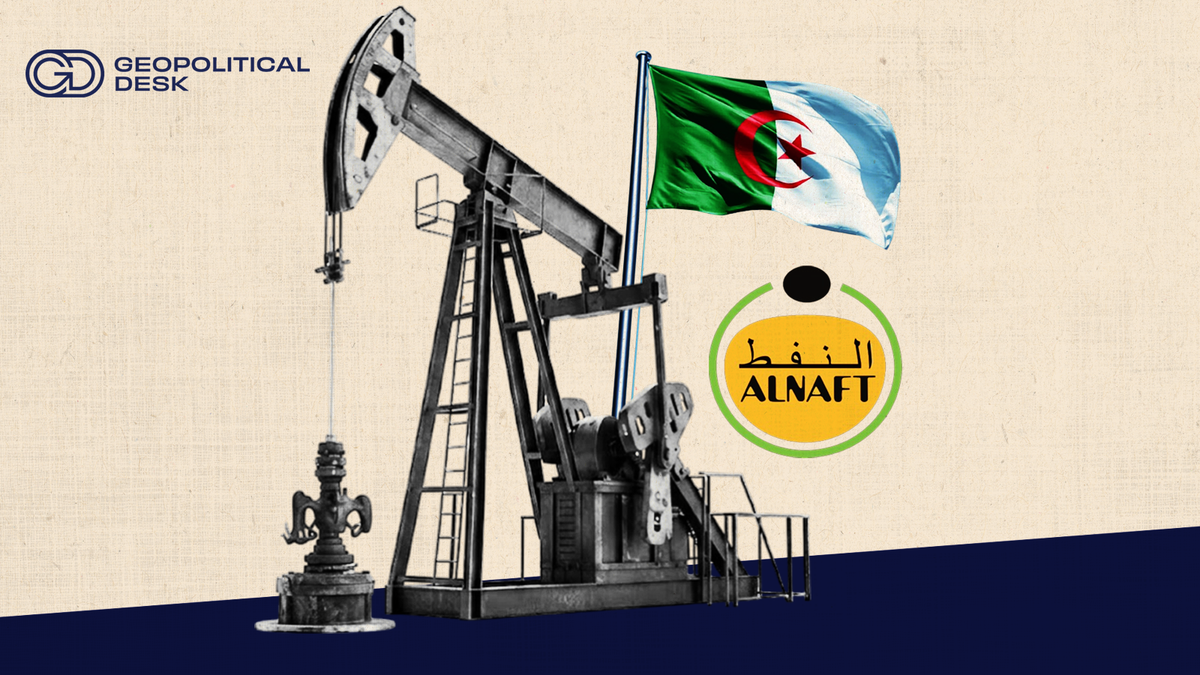
The world in moving crosshairs
The Iran war has, somewhat justifiably, dominated headlines this week.
While it is a critical story that affects others around the world, there are additional developments that should also be monitored.
Ukraine targets Russian fuel infrastructure
What happened: Ukrainian drones heavily damaged the Primorsk export terminal, Russia’s largest, as well as an oil refinery in Ufa, halting 40% of Russia’s fuel export capacity.
Why it matters: Rising gas prices have been a boon for Russia, as oil is one of the state’s main sources of income and the government has long been affected by western sanctions. Ukraine’s goal is to weaken Russia’s ability to sell its oil.
Why you should monitor it: The attacks are strategically logical for Ukraine, as they disrupt Russian revenue streams and damage infrastructure that supports its military. However, with U.S. President Donald Trump seeking to keep prices low, continued Ukrainian action could draw his ire.
Trump appoints new head of DHS
What happened: Former Oklahoma Senator Markwayne Mullin was confirmed in a 54–45 Senate vote as the new head of the Department of Homeland Security.
Why it matters: Mullin’s confirmation follows Trump’s dismissal of former Secretary Kristi Noem after she implicated him in a political scandal involving the misuse of public funds. The DHS is one of Trump’s more favoured departments, and he has used it to advance his domestic agenda.
Why you should monitor it: The DHS is facing increasing scrutiny and declining public support in the United States due to its aggressive immigration enforcement tactics.
With ICE, an agency within DHS, continuing its immigration raids across the country, the department is likely to encounter sustained resistance from the Democratic Party as debates over its budget continue in Congress. Mullins will be forced to deal with increasing domestic unpopularity while also trying to meet Trump’s demands.
Nepal installs new PM
What happened: Former rapper Balendra Shah has been sworn in as Nepal’s Prime Minister after his party secured a major victory in elections earlier this month.
Why it matters: Shah is Nepal’s youngest prime minister in decades, and his success followed the country’s Gen Z protests last year. Frustration over unemployment and government corruption led to the collapse of the previous government and triggered early elections.
Why you should monitor it: Shah will face significant expectations to address the concerns of younger voters. Reorienting Nepal’s economy and tackling entrenched corruption will be challenging. His success may also serve as a broader indicator of the effectiveness of emerging Gen Z driven political movements.
Previous coverage on this topic here:
 The Geopolitical Desk
As always, thank you for reading and for your continued support.
Feel free to reply with feedback or suggestions.
See you next week,
Will Mosko
Program Manager, The Geopolitical Desk
