▸ 🇬🇧 Keir Starmer’s political vulnerability and the Epstein-Mandelson saga
▸ 🇱🇾 Libya’s structural energy trap and why more oil may mean more problems
▸ 🇧🇩 Bangladesh’s landmark election and the scenarios ahead
▸ 🇹🇷🇮🇷 Turkey signals flexibility on U.S.–Iran nuclear talks
▸ 🇸🇾 Assassination plots against President Ahmed al-Shaara
▸ 🌎 How a Super Bowl performance can carry geopolitical symbolism far beyond sport
This was an unusual week. The Epstein saga has crossed the Atlantic and risks toppling a British prime minister; Bangladesh is going through its first post-Hasina election; Turkey has signalled an opening to Iran-U.S. nuclear talks; and in Las Vegas, a SuperBowl halftime show quietly reframed who gets to narrate American identity.
Individually, these stories look unrelated.
Taken together, they paint a picture of how political systems everywhere are being stress-tested by reputational risk, geopolitical shocks, structural economics, demographic change and strategic recalibration.
This week’s analysis looks at what happened and, more importantly, what it all means.
Let’s get into it.
Keir Starmer’s tightening political circle
What happened: Keir Starmer has entered one of the most politically delicate phases of his premiership. Pressure is mounting internally and externally, and renewed scrutiny around the Epstein files — particularly alleged links and historic proximity through figures such as Peter Mandelson — has amplified factional unease within Labour’s ecosystem.
Why it matters: The Epstein issue is not primarily about legal jeopardy. It is about perception, elite networks and reputational vulnerability at a moment when Labour’s mandate is on unsure footing. Starmer’s authority rests on competence and stability. Any narrative that suggests proximity to a nepharious cabal of global elite risks undermining that positioning, particularly as Reform and Conservative voices attempt to reframe Labour as indistinguishable from the old political establishment.
What this means: It is unclear whether Starmer will be able to whether this political storm. If ousted, he would be the third Prime Minister in the past seven years to be removed from office before the end of his mandate. This shows that British politics has become structurally volatile. Prime ministers now operate under permanent review. If economic performance stalls or factional pressure intensifies, what appears manageable today can quickly exacerbate.
Libya’s structural energy trap
What happened: Libya’s latest bid round has revived debate about production, reform and investment risk. But in today’s oil market, the real constraint is no longer geology or output. It is whether Libya’s governance and operating model can convert barrels into durable economic value. Our latest report provides a comparative analysis between Libya and Norway, and puts forward some potential solutions to fix Libya’s structural energy trap.
Why it matters: Libya’s problem is not simply production volatility. It is structural design. Oil revenue flows through institutions that lack unified political authority. Every additional barrel strengthens competing patronage networks rather than reinforcing national value. In this context, production increases do not resolve fragmentation; they intensify the incentives that sustain it.
What this means: Absent reform in revenue distribution mechanisms and fiscal governance, Libya’s energy growth will continue to entrench political fragmentation. More oil, without institutional redesign, means more problems.
 The Geopolitical Desk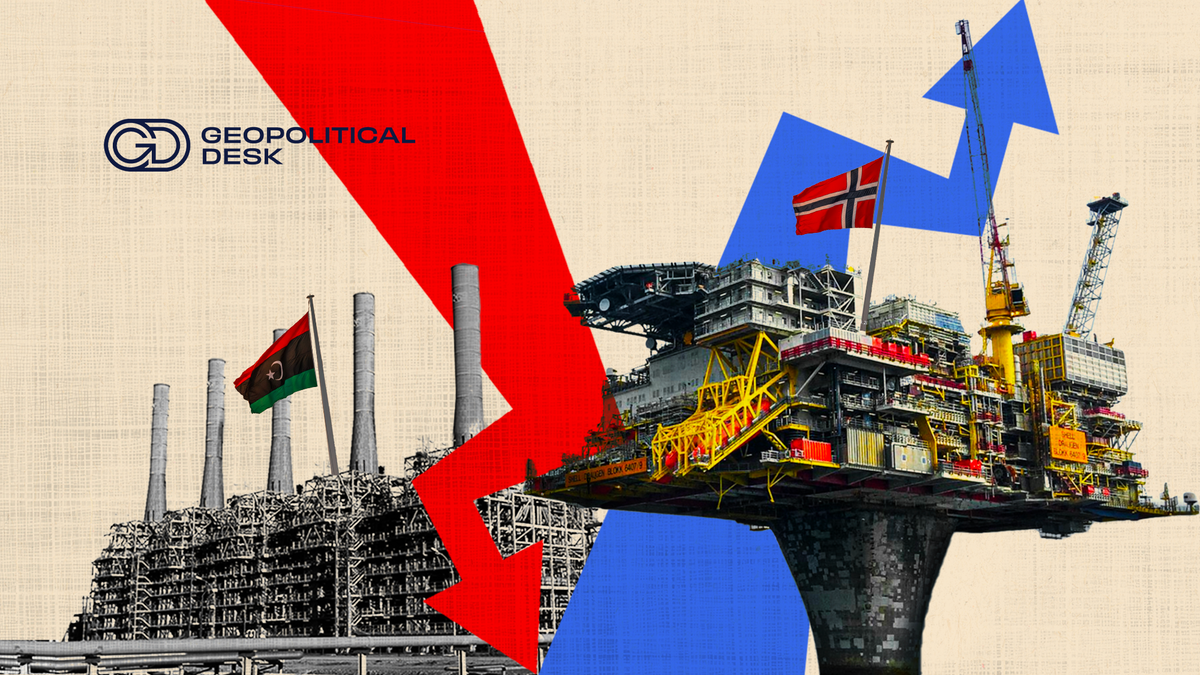
Subscribers can download the full report for free at the end of the article. We also have the complete dataset and financial modelling workbook available — if you’re interested, reach out directly.
Bangladesh votes in a landmark election
What happened: Bangladesh held a landmark election following months of political tension and mass mobilisation. Voters turned out in large numbers amid heightened security and a deeply polarised political environment. Our previous report assessed the risks and scenarios of this election in detail.
Why it matters: This election represents the first real stress test of Bangladesh’s post-crisis transition. The vote was not simply about party competition. It was about institutional legitimacy after months of unrest. Whether the outcome is broadly accepted will shape investment risk, governance continuity and regional political alignment.
What this means: The election is both feasible and fragile. The base case is an orderly transition, supported by interim safeguards and public appetite for reform. However, risks still remain and whether the country's opportunity can be fully unlocked will depend on what comes next.
 The Geopolitical Desk