
▸ 🇺🇸-🇮🇷 Trump’s war in Iran and the strain on his political coalition
▸ 🇮🇷 Succession dynamics inside the Islamic Republic
▸ 🌍 Oil markets and the upstream investor risks of ongoing geopolitical tensions
The war between the United States, Israel and Iran is not proving to be a “quick” one. It has already surpassed the previous 12-day war and is now the organising event shaping global politics and markets.
This week’s analysis looks at three questions that increasingly matter.
First, whether the war is beginning to fracture the political coalition that brought Donald Trump back to power.
Second, whether the Islamic Republic (assumed by many to be brittle) is proving far more structurally resilient than expected.
Third, what this escalation means for global energy markets and investors who once believed geopolitical risk could be priced out of oil.
Together, these questions are beginning to define not just the trajectory of the conflict itself, but the broader economic and political landscape surrounding it.
Let’s get into it.
P.S. We published an in-depth report on the Iran war last week based on source inquiries across the region. If you would like a copy, feel free to reply to this email or get in touch.
Is Trump’s war breaking his coalition?
What happened: The decision to strike Iran has begun to fracture the coalition that returned Donald Trump to the White House. Segments of Trump’s base (particularly populist conservatives and anti-interventionists) are increasingly questioning the rationale and scope of the war.
Why it matters: Trump’s political coalition was always an uneasy alliance. It brought together traditional Republicans, nationalist populists, energy hawks and anti-war conservatives who viewed foreign entanglements as strategic mistakes. The Iran escalation exposes the fault lines between those factions. If the conflict expands, that tension could deepen — particularly if the economic costs begin to reach American voters through energy prices or market volatility.
What this means: The war’s political sustainability inside the United States may become as important as its military trajectory. The White House must now balance strategic escalation abroad with coalition management at home. That balancing act is becoming harder as time goes by.
Read the full analysis:
 The Geopolitical Desk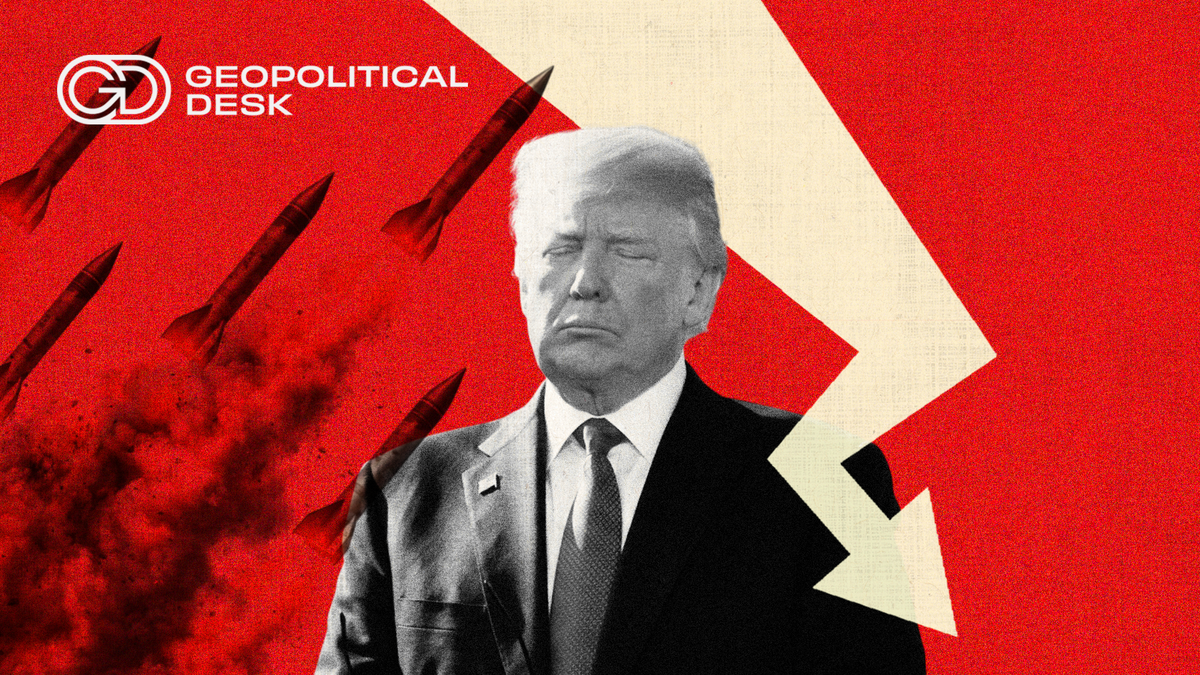
Khamenei is dead. The system survives
What happened: The death of Iran’s Supreme Leader Ayatollah Ali Khamenei has triggered a leadership transition inside the Islamic Republic. While many thought this moment would be destabilising, it showed how the system Khamenei helped build was designed precisely to survive moments like this.
Why it matters: The Islamic Republic is often portrayed externally as a personalised regime centred around a single leader. In reality, it functions more like a decentralised power structure. Authority is distributed across clerical institutions, security bodies and political factions that operate within a shared ideological framework. That structure has proven its resilience during the latest leadership shock.
What this means: The succession moment does not necessarily weaken the regime. In some ways it may reinforce it. Transitions allow the system to renew itself while preserving the institutional logic that has sustained it for decades. For outside actors betting on regime collapse, that may prove an uncomfortable reality.
Read the full analysis:
 The Geopolitical Desk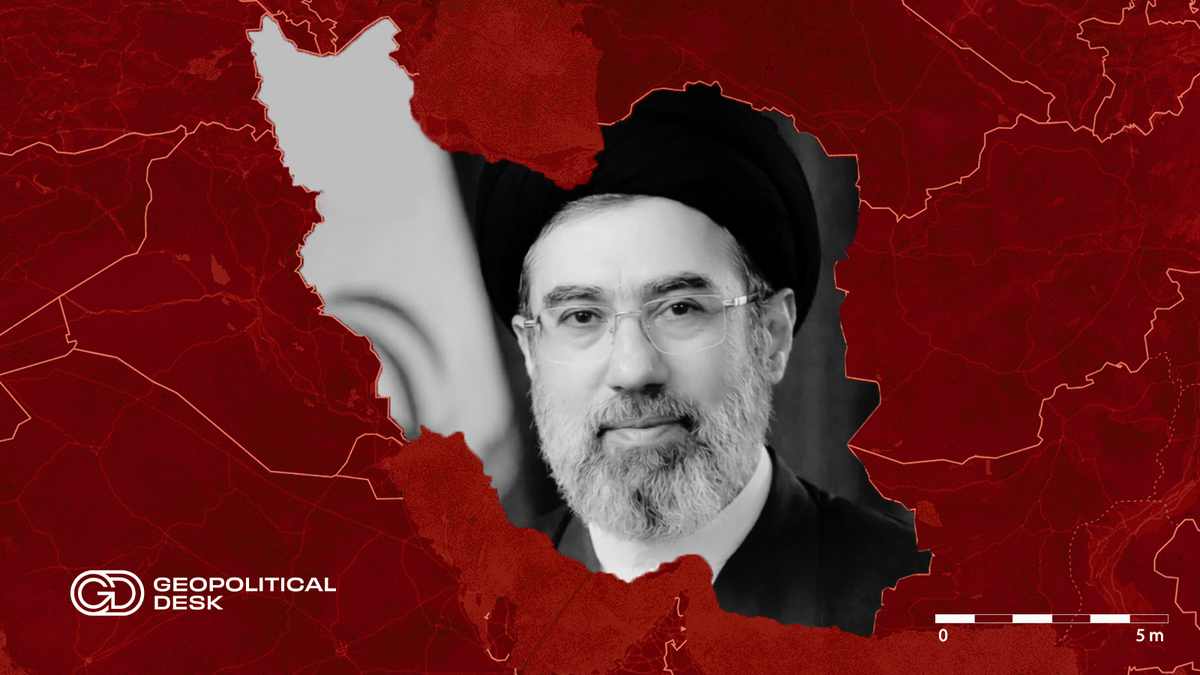
Energy dominance meets its limits
What happened: The escalation with Iran has sent Brent Crude over $100 per barrel. With Tehran threatening shipping routes and the Strait of Hormuz under pressure, energy traders are reassessing risks many believed were largely contained. The price of geopolitical risk is returning to oil.
Why it matters: Washington’s “energy dominance” narrative has long suggested the United States could buffer global markets from geopolitical instability, particulary in West Asia. But upstream investors are seeing supply shocks reverberate through global systems. Insurance costs, tanker routes, and investor confidence are all now in play.
What this means: The question is not really about oil prices, even though fluctuations will inevitably impact political apetite for and public reactions to this war. However, what is still unclear is whether the ongoing escalation forces long-term reassessment of geopolitical risk across the energy sector and global supply chains. Investors, governments and companies are beginning to model scenarios that only weeks ago seemed remote.
Read the full analysis:
 The Geopolitical Desk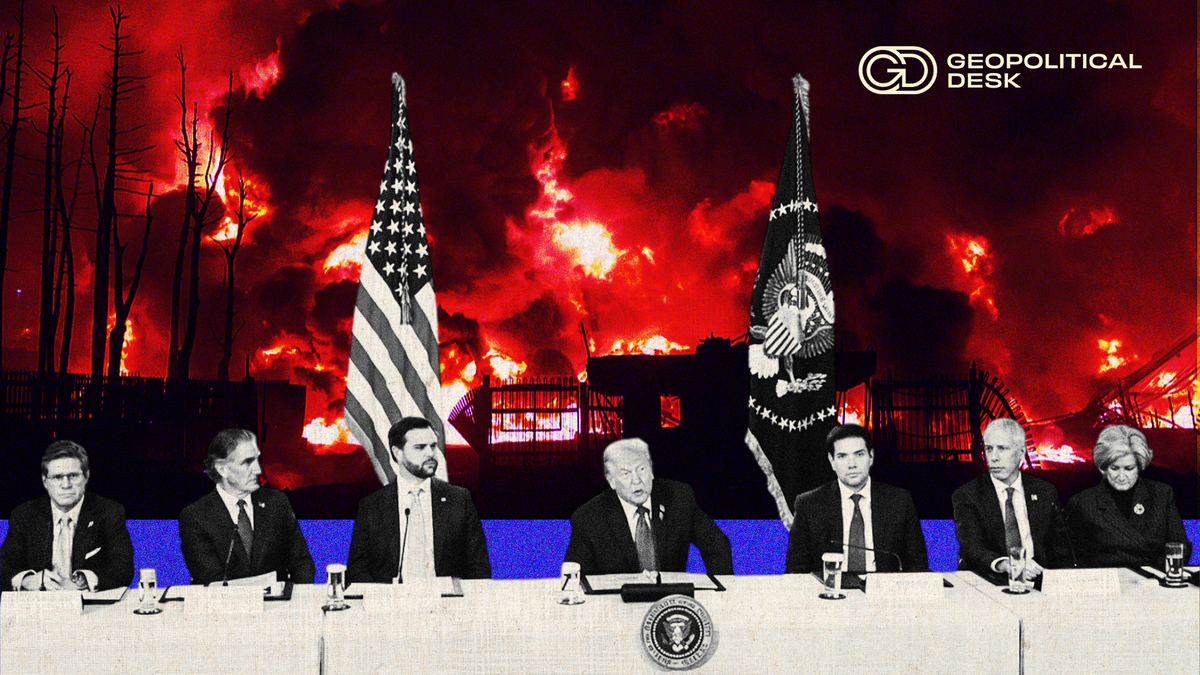
This article was developed in partnership with C H Hunter, Director of the newly-formed CH2 Research & Advisory. Cat brings nearly two decades of experience analysing North Africa and Middle East energy markets through roles at S&P Global, IHS and the International Energy Agency.
