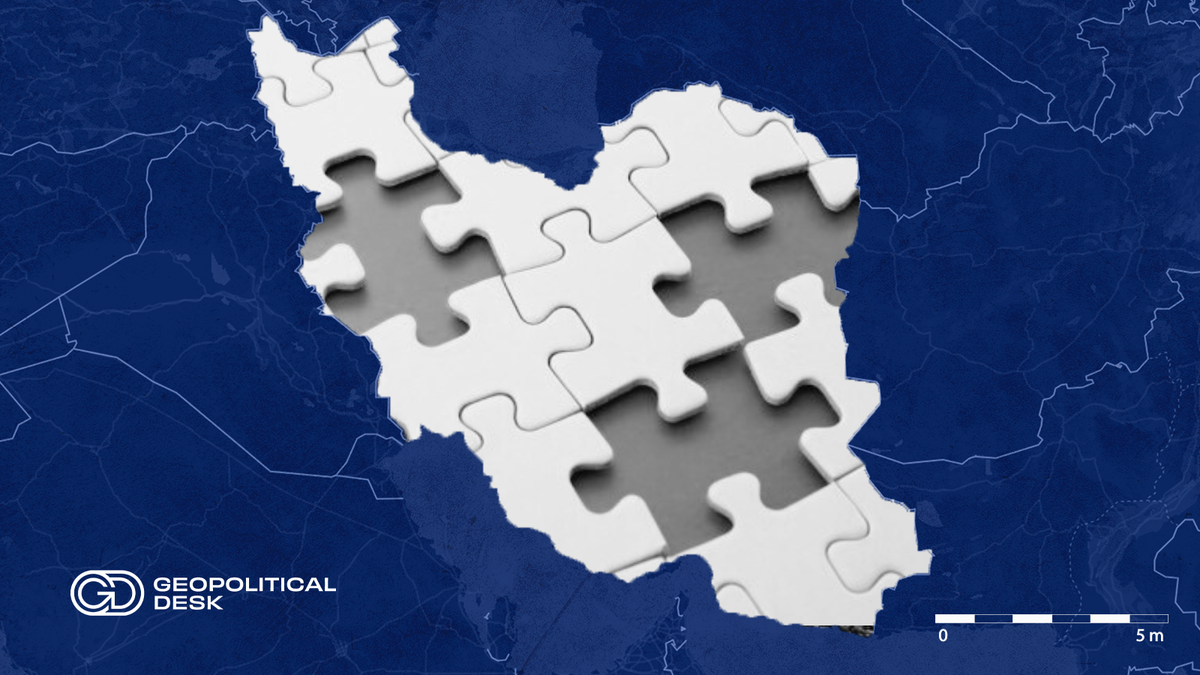
Over the past week, the risk environment in the Middle East has rapidly shifted to the most acute storyline we outlined in our recent scenario planning, with a massive military campaign against Iran.
The February 28 attack against Iran quickly morphed into a regional war, with the Gulf’s global aviation hubs facing paralysis, marine traffic disrupted across the Persian Gulf, and energy infrastructure sustaining limited damage that could be the harbinger of a global crisis.
While Iranian missile launches have drastically decreased in quantity, a lot more risk aggravation is to be expected as the region digs deeper into its worst-case scenario.
In recent client briefings we have been tracking three signals in particular.
First: The Islamic Republic stabilising or faltering
Iran’s governance is not upset by decapitation strikes, at least in the short-term.
Wartime protests are increasingly unlikely and, as the conflict persists, the natural political course is to give way to a barracks state where stabilisation equals a return to the Islamic Republic’s radical fundamentals.
Who is appointed as Ali Khamenei’s successor will highlight whether this is the path agreed upon by elite factions, in which case more decapitation strikes are to be expected which could tip the balance toward partial state collapse, with large-scale regional consequences.
Second: escalation thresholds in the U.S.–Israel confrontation with Iran
Tehran knows that a ceasefire now will highlight its weakness and forego any chance of medium-term stability by inviting future strikes.
Israel wants to diminish the Iranian state apparatus as much as possible while the U.S. still assesses its best course of action, which increasingly points to a prolonged campaign.
 The Geopolitical Desk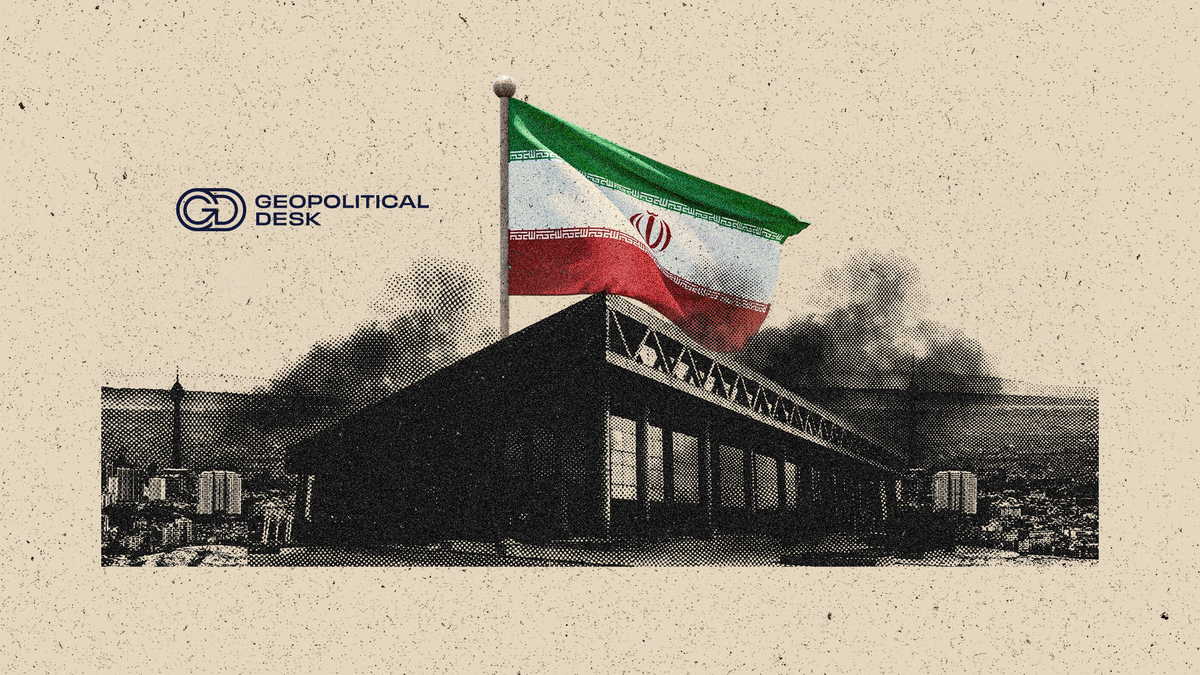
This archive piece published on 31 July 2025 is increasingly relevant to understand today's environment and the wider context behind the latest escalation.
None of these trends benefit diplomacy, and could lead to scenarios deemed impossible early-on such as the deployment of elite U.S. troop contingents to take over parts of Iran’s port infrastructure or support local insurgents in border areas.
Third: the strategic vulnerability of the Strait of Hormuz
Iran’s first steps this week, which include Strait of Hormuz partial closure and limited targeting of Gulf energy infrastructure, have not exhausted its escalation playbook.
Tehran has for now only held back because its own energy infrastructure has been left untouched, but the worse the war goes for it the less restraint it will likely show.
This is especially true if time alone does not guarantee Tehran a market upheaval including oil barrels above $100 or a cessation of hostilities on terms that can prevent a future deflagration.
The entry of Yemen’s Houthis into the war is one of Tehran’s remaining wild cards to cut short alternative tradeways for top Gulf commodities.
These dynamics do not exist in isolation.
Leadership succession, military escalation, shipping security, regional proxy networks and even partial state collapse are all part of the same downward spiral facing not only the Middle East but the world economy.
The problem is that most professionals encounter these radical developments only after they become headlines.
By that point markets are forced to scramble in response to a situation it had not fully anticipated.
GPD Intelligence exists to surface these signals earlier.
Subscribers receive structured briefings designed for professionals working across energy, finance, diplomacy, security and trade.
Each briefing focuses on:
- scenario logic rather than headline summaries
- early warning indicators worth tracking
- source-led reporting from inside the region
- analysis you can share internally without rewriting
A single misjudged escalation signal can move shipping routes, insurance costs, oil prices and regional political risk overnight.
For readers of our free briefings we are currently offering a limited promotion.
If you're curious, here are some recent Intelligence-only articles:
 The Geopolitical Desk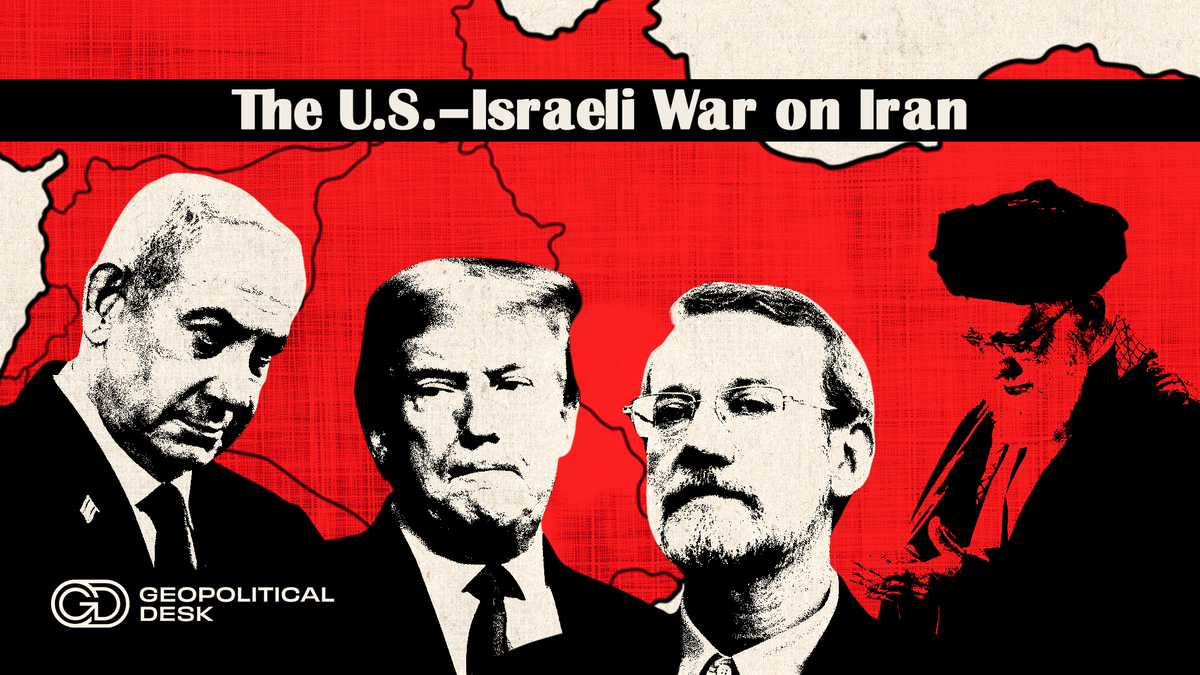
 The Geopolitical Desk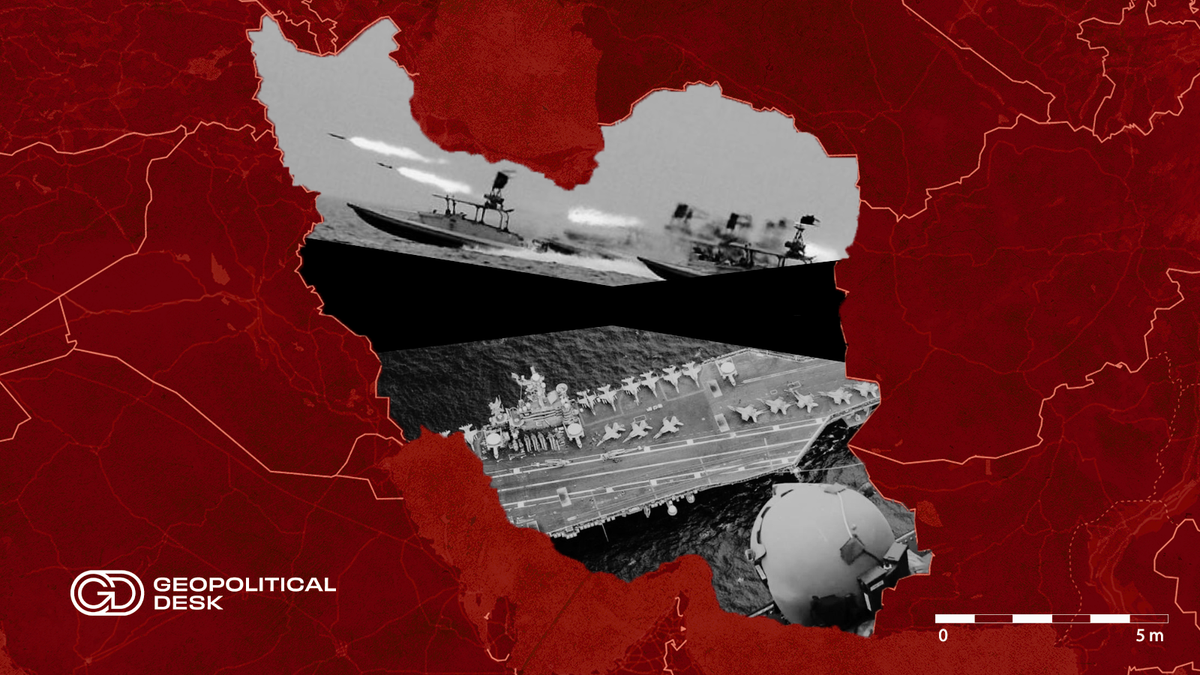
 The Geopolitical Desk
 The Geopolitical Desk