
▸ 🛢️How the Iran war could disrupt oil, shipping and global aviation
▸ 🇮🇷 The politics of succession within the Islamic Republic
▸ 🇺🇸🇮🇷🇮🇱 Why escalation may be Tehran’s only remaining leverage
▸ 🇱🇾 Signals the Libyan National Army may be recalibrating westwards
▸ 🇮🇶🇸🇾 Whether regional turmoil could open space for ISIS again
▸ 🇺🇸 🇱🇾 The quiet push to sideline elections in Libya’s UN roadmap
This week’s coverage focuses on the widening war around Iran and the second-order shocks beginning to ripple across the region.
What began as targeted strikes has quickly evolved into a conflict with implications for global energy markets, shipping routes, regional militant networks and the internal stability of the Islamic Republic itself.
Let's get into it.
How the Iran war could disrupt oil, shipping and global aviation
What happened: Military escalation between Iran, Israel and the U.S. has pushed the region toward scenarios that could directly affect global aviation routes, maritime traffic and energy infrastructure across the Gulf.
Why it matters: Iran’s strongest leverage does not lie in conventional military victory but in its ability to disrupt global markets. Even limited interference with shipping or aviation corridors could send shockwaves through energy prices and insurance markets.
What it means: The escalation ladder still has multiple rungs. Disruption of shipping through the Strait of Hormuz, targeting of Gulf infrastructure, or wider proxy involvement remain plausible pathways if Tehran seeks to regain deterrence.
Subscriber insight: This briefing maps the specific escalation triggers that could push oil above $100 and disrupt Gulf aviation corridors.
 The Geopolitical Desk
Why escalation may be Iran’s only working strategy
What happened: As the conflict deepens, Tehran faces a strategic dilemma: accepting a ceasefire risks exposing weakness, while escalation offers a way to impose costs on its adversaries.
Why it matters: Iran cannot match Israel and the United States militarily. Its most effective strategy may instead be to make the conflict economically and politically unsustainable for its opponents.
What it means: Expect Tehran to rely increasingly on asymmetric tools. Market disruption, proxy pressure and calibrated regional escalation could become the core pillars of its strategy.
 The Geopolitical Desk
Modern warfare in Tehran: is the air campaign working?
What happened: Israel’s air campaign over Iran has expanded significantly, targeting infrastructure and strategic sites across Tehran and other key areas.
Why it matters: Airpower can degrade military capabilities but rarely determines political outcomes on its own. The effectiveness of the campaign depends on whether it can disrupt Iran’s command structures and war-making capacity.
What it means: If the campaign fails to generate decisive effects, pressure may grow for broader escalation, potentially involving expanded regional operations or deeper U.S. involvement.
 The Geopolitical Desk
Who rules Iran after Khamenei? Succession scenarios explained
What happened: The war has revived a long-standing question within Iran’s political system: who will succeed Supreme Leader Ali Khamenei.
Why it matters: The identity and alignment of Khamenei’s successor will shape Iran’s ideological direction, institutional balance and willingness to confront external pressure.
What it means: Elite factional competition could intensify if the conflict weakens the current leadership structure, creating uncertainty about the future trajectory of the Islamic Republic.
 The Geopolitical Desk
Will new regional instability give rise to ISIS?
What happened: Rising instability across West Asia is prompting renewed concern about whether extremist armed groups could exploit the current crisis to regroup.
Why it matters: Periods of regional upheaval have historically created opportunities for militant organisations to rebuild networks and expand recruitment.
What it means: If security vacuums deepen in key theatres such as Iraq and Syria, the conditions that previously enabled ISIS’s resurgence could begin to re-emerge.
 The Geopolitical Desk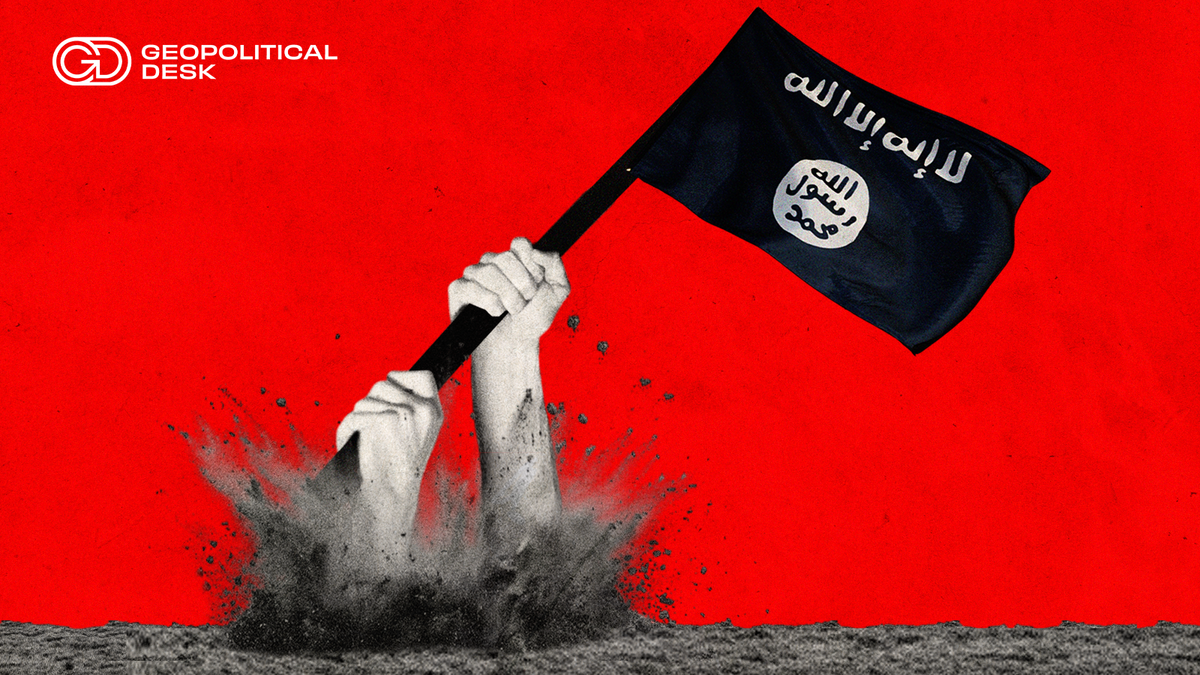
Is the Libyan National Army drifting westwards?
What happened: Recent political signals suggest Khalifa Haftar’s Libyan National Army may be adjusting its posture.
Why it matters: A shift in Haftar’s strategy could alter the fragile balance between eastern and western power centres and reshape ongoing negotiations over Libya’s political future.
What it means: If confirmed, this recalibration could reopen political space for new alliances, negotiations and potential institutional restructuring.
 The Geopolitical Desk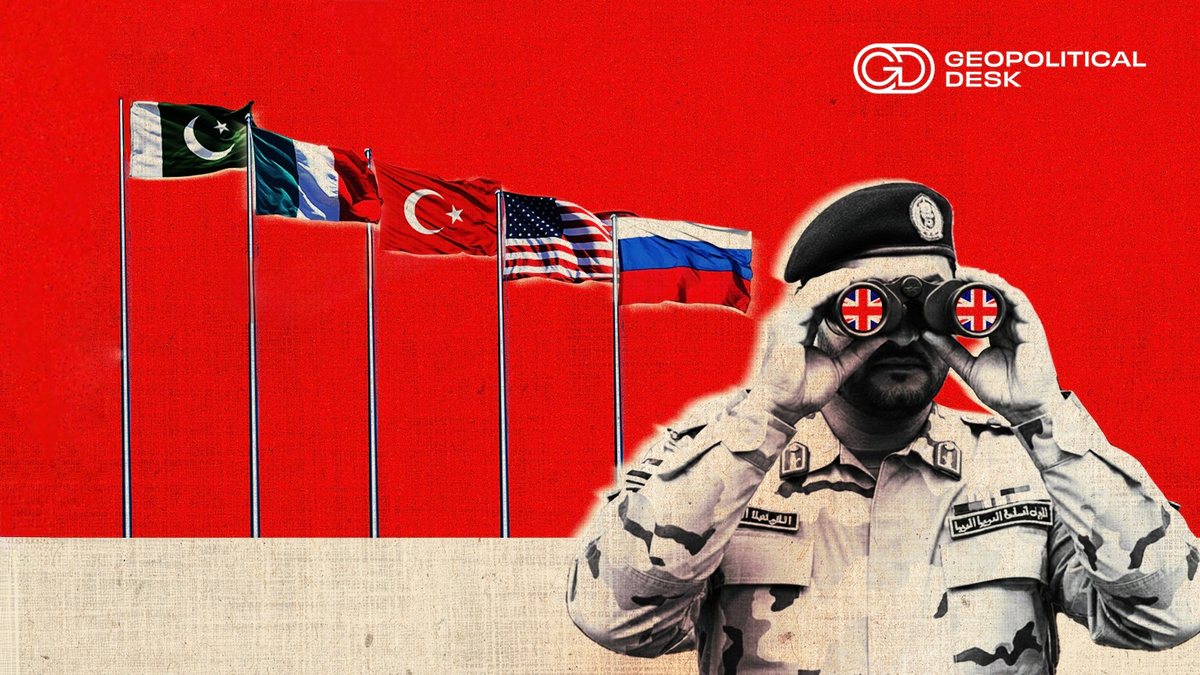
Trump envoy pushes to strip elections from UN Libya communiqué
What happened: Diplomatic negotiations around Libya’s political roadmap have intensified, with a U.S. envoy reportedly pushing to remove elections from a UN communiqué.
