
Let's be honest: too much is going on in the world. And is it just me, or did this week go Monday–Tue-Wed-Thu–Friday?
Here's a quick breakdown of GPD's coverage this week:
- We covered Iran from multiple angles: from the missing pieces of the puzzle in Iran's protests, to the new Iran coming online before it even takes shape, to Tehran’s subsidy reform amid unrest, and even the way Baluch militancy is being nationalised rhetorically.
- We tracked the aftershocks of Venezuela’s political rupture and examined why Maduro’s fall is not Tehran’s nightmare.
- In Libya, we looked at a potentially imminent leadership vacuum and a regional contest hiding in plain sight
- In Syria, we went hyperlocal to examine how the shifting balance of power in Aleppo is creating a growing and problematic anomaly.
Synthesising all of that into a single, clean narrative isn’t easy — partly because these stories aren’t neat, and partly because the world has entered uncharted territory.
But one thing is certain, 2026 is going to be an interesting year.
Now let's get into it.
Iran’s protests and why they are harder to read this time
Iran’s latest wave of unrest has been widely reported, but poorly understood.
What we are seeing is not a classic protest cycle driven by a single grievance or unified opposition movement. Instead, it is a convergence of unresolved pressures: economic exhaustion, generational change, digital mobilisation and elite paralysis.
That is why the recurring question of – Is this the beginning of the end? – misses the point almost entirely.
 The Geopolitical Desk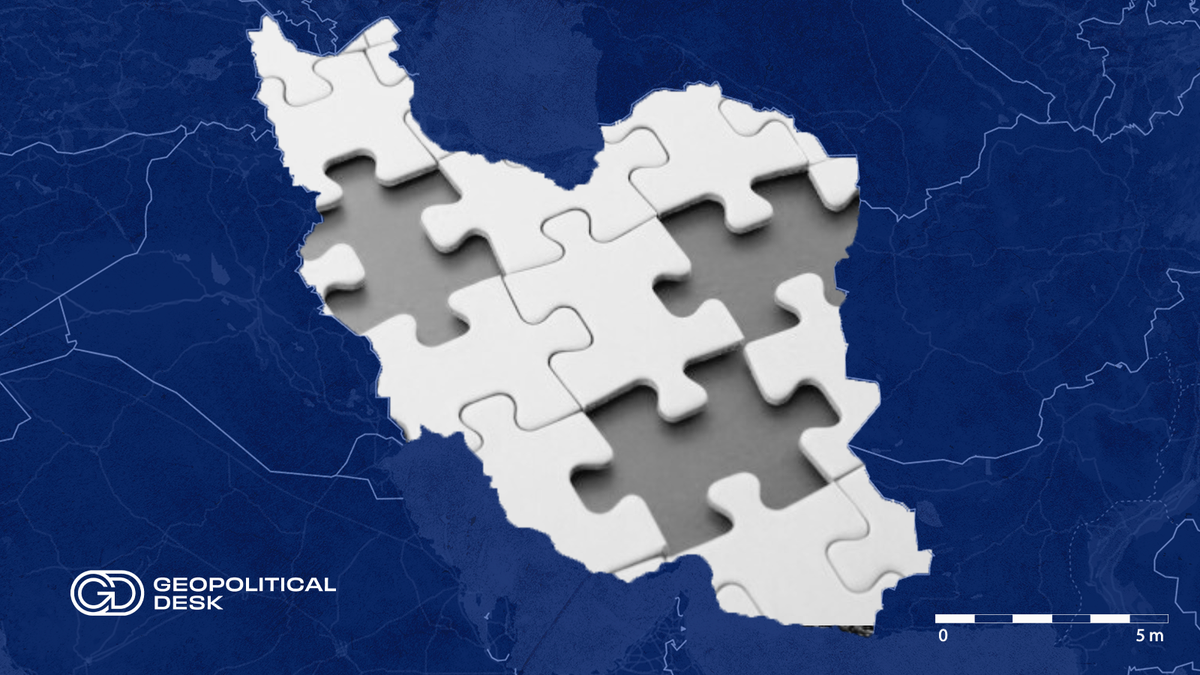
While there is no shortage of reasons to believe the Islamic Republic is structurally brittle, inevitability does not mean imminence.
As long as elite fractures do not translate into moderates persuading the military and security establishment to step aside, and as long as there is no credible opposition with a coherent and reassuring vision, the system can endure or collapse in ways that produce state failure rather than transition.
Our reporting this week unpacks why current protests are less likely to lead to regime change and why this latest cycle of unrest may prove more destabilising precisely because it lacks a single centre of gravity.
We also explain why parallel developments, such as subsidy reform during protests and the emergence of a digitally networked, post-ideological “new Iran”, matter less in isolation than in combination.
 The Geopolitical Desk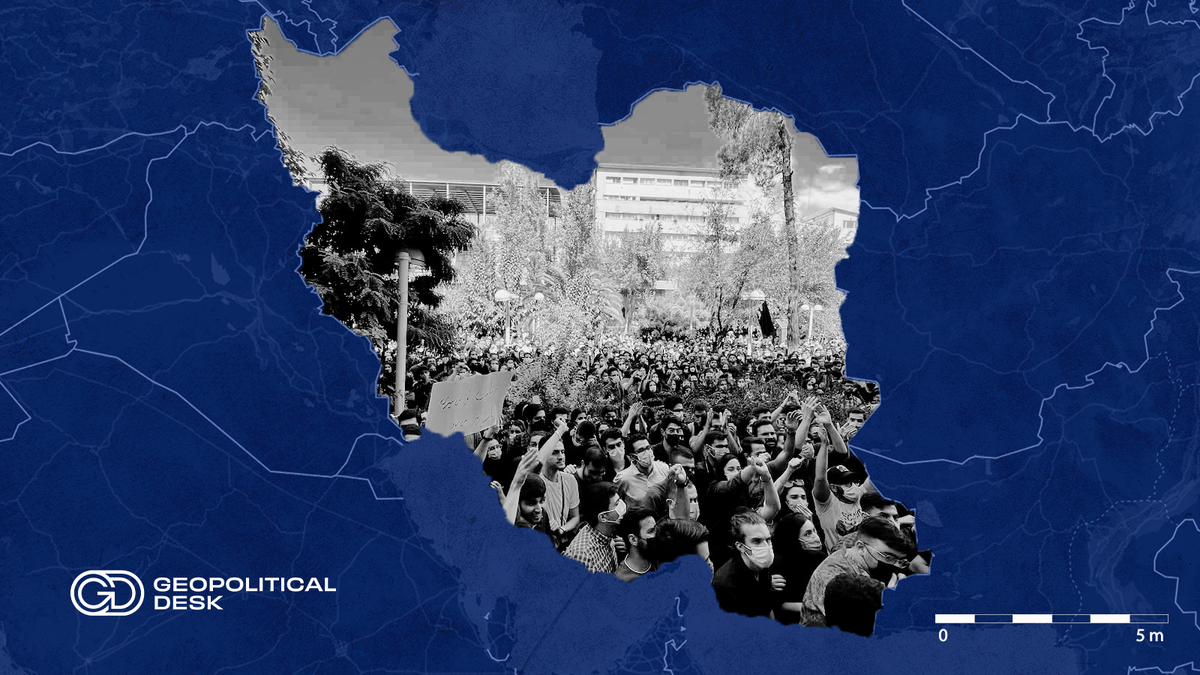
 The Geopolitical Desk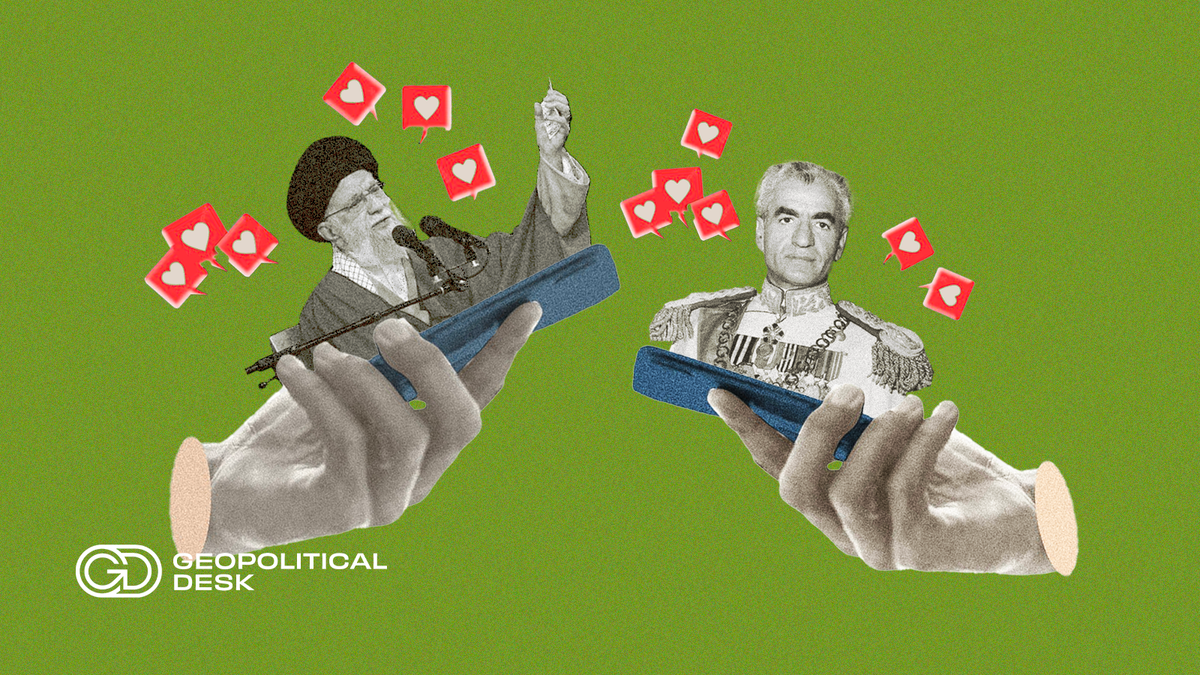
Libya's prime minister is sick at a fragile moment
Abdulhamid Dabaiba has now been Libya’s prime minister for several years, presiding over one of the most demanding political roles in the country’s post-2011 period.
What has often gone underappreciated is not only how long he has survived in office, but the personal and physical toll that survival has required.
In recent months, that strain appears to have intensified. He has reportedly been hospitalized twice due to heart related issues, prompting quiet concern within political and security circles in Tripoli and Misurata.
 The Geopolitical Desk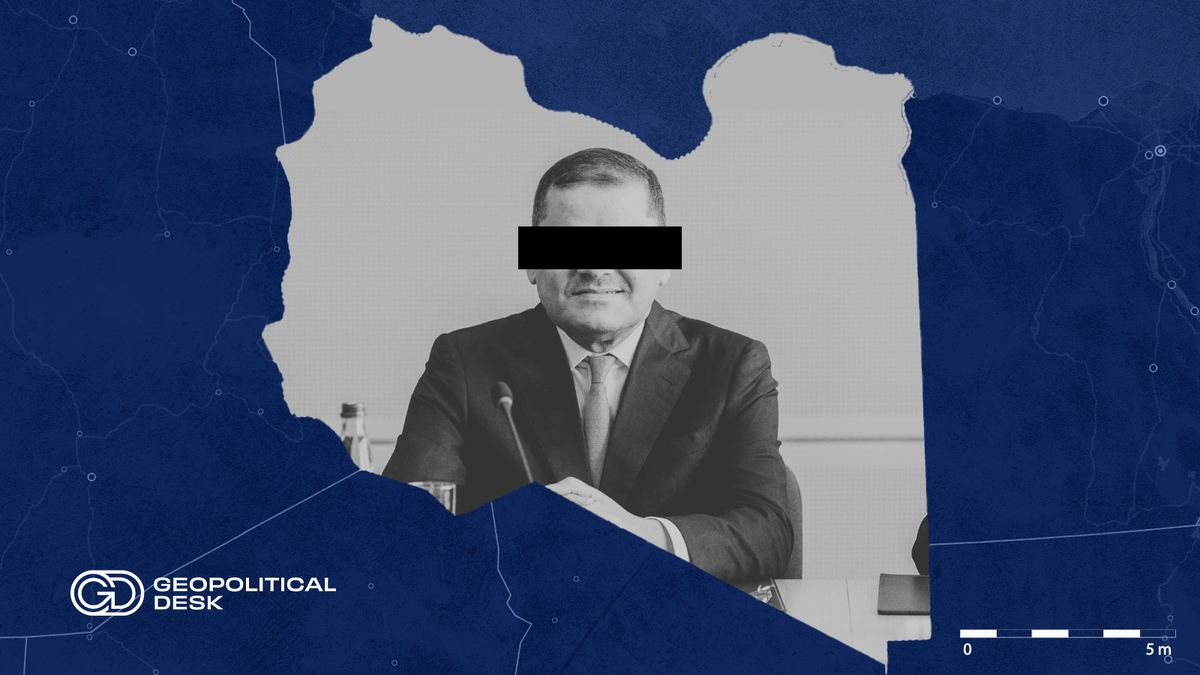
Venezuela after Maduro
Delcy Rodríguez succeeds Maduro-era Chavismo, which further prioritised loyalty over competence as the primary path to power. Lacking Chávez’s charisma, Maduro ruled through patronage, distributing offices and oil wealth to loyalists.
Rodríguez now stands between a belligerent Trump administration and a rent-seeking domestic elite. Washington wants oil access; the Chavistas want to preserve wealth and power. Both sides ultimately pursue conflicting demands.
 The Geopolitical Desk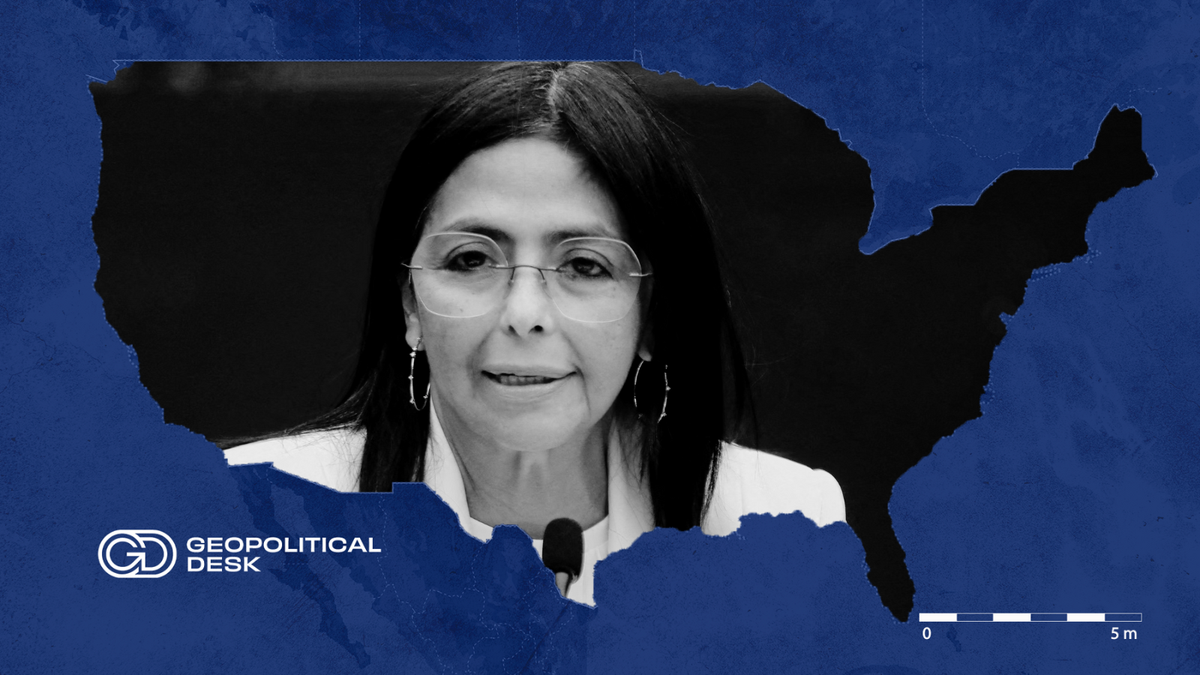
Rodríguez must also manage multiple internal factions, while balancing external ties with Cuba, Iran, Russia, and China – even as Washington pressures her to sever them, moves that could leave her exposed if U.S. policy shifts again.
 The Geopolitical Desk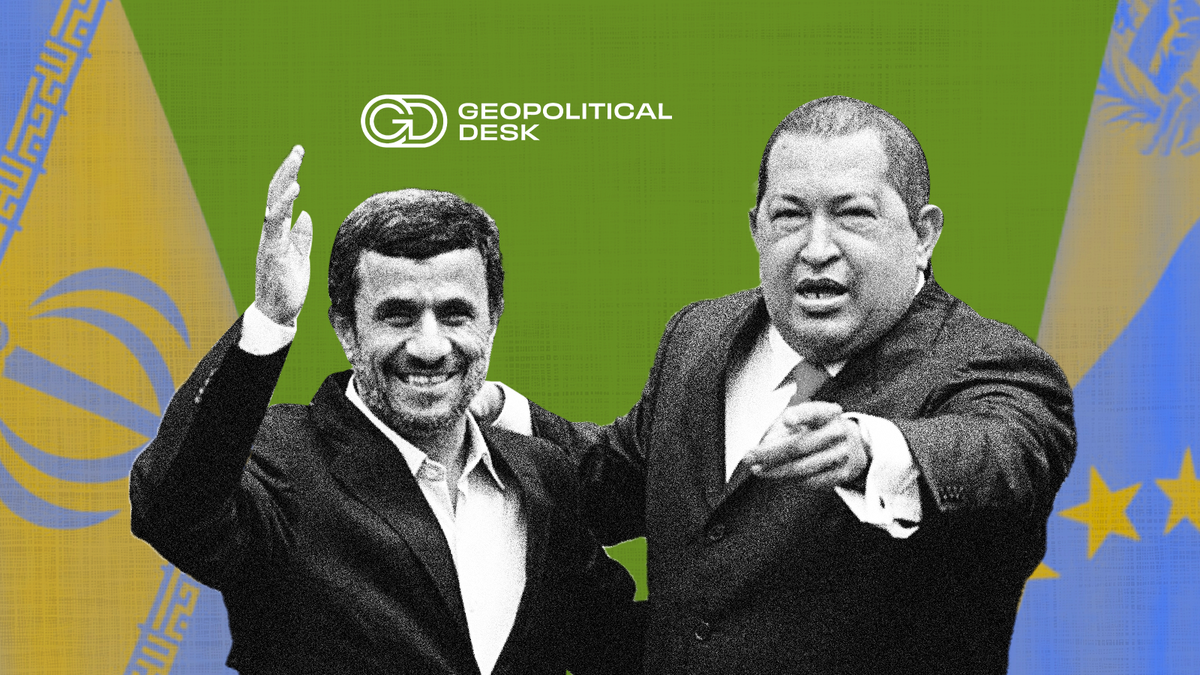
A regional contest hiding in plain sight
At first glance, Egypt’s posture toward Libya and Sudan can look reactive: border security here, mediation there, cautious diplomacy everywhere.
In reality, something more deliberate is taking shape.
Cairo is quietly trying to reassert itself as a central stabilising — and gatekeeping — power across its western and southern flanks.
What links Libya and Sudan from Cairo’s perspective is risk:
- uncontrolled borders,
- conflict spillover,
- refugee flows,
- and the danger of rival regional actors shaping outcomes Egypt cannot live with.
At the same time, the UAE has been steadily working to build its own regional network of allied forces and local partners across key theatres such as Yemen, Somalia, and Sudan.
This ambition has increasingly brought Abu Dhabi into competition with Egypt, whose strategic equities are directly exposed.
 The Geopolitical Desk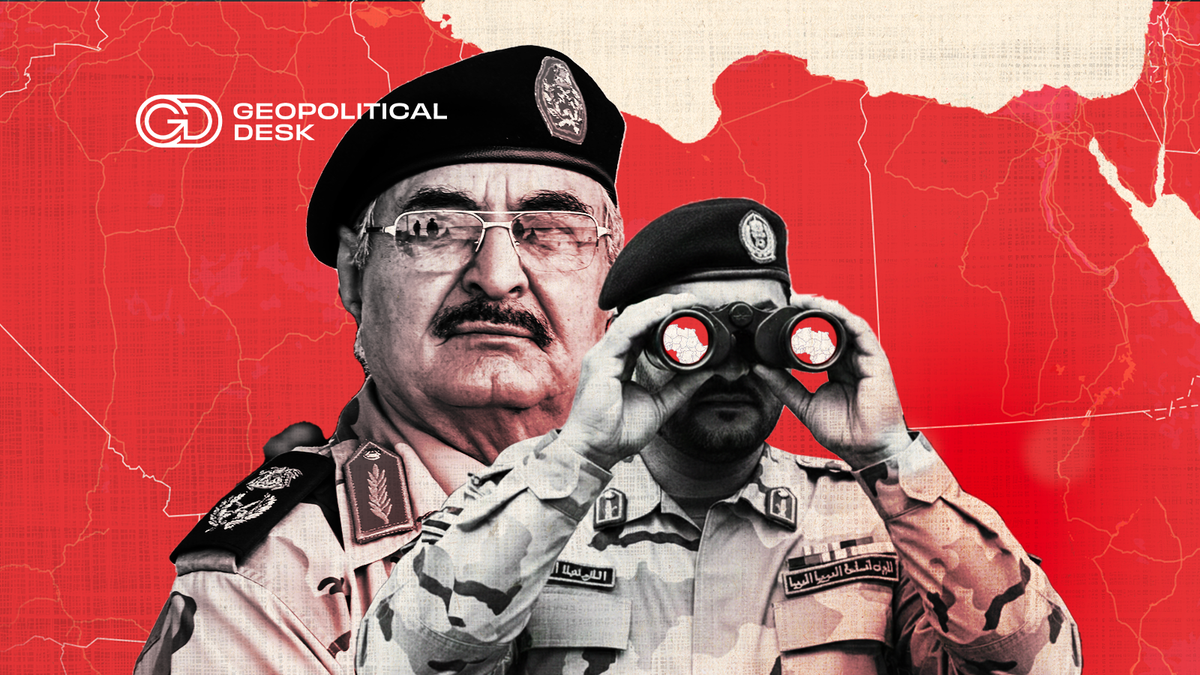
A brief aside: our reporting on Egypt–UAE competition across Libya and Sudan was cited this week by Semafor and flagged as one of their Weekend Reads.
That's it for this week.
If what we do is useful to you — whether you work in policy, business, academia, or simply want to stay oriented in a volatile world — please consider sharing this newsletter or subscribing to one of our paid plans.
Oliver Crowley
Co-Founder, The Geopolitical Desk
P.S. Please forward this to anyone who might find it useful. If you’re reading this second-hand, you can sign up for our free newsletter here.
What you secure if you subscribe today:
- Full access to strategic reporting: Independent, on-the-ground insight across politics, energy, security and market exposure.
- Consistent, decision-ready analysis: Structured briefs based on primary research designed for decision-makers who need clarity in complex markets.
- A tailored user experience: Monitor full regional coverage or narrow in on specific markets.
- Budget efficiency: An annual subscription at only a fraction of the standard rate.
