
‣ 🇺🇸-🇱🇧 Tom Barrack's audacious (and likely unworkable) push to reshape Lebanon’s security landscape
‣ 🇹🇳 Is public anger in Tunisia reaching a boiling point?
Anyone who's spent some time in North Africa recently has probably noticed that people are not very happy. This is especially true for young people.
From Morocco’s Gen Z-led demonstrations to the rising anger on the streets of Tunis and Tripoli, a generation that has grown up amid economic stagnation and broken promises is becoming far more vocal and far less willing to wait.
Their demands are structural rather than ideological: jobs, services, security, accountability. And unless these systems adapt, the risk of wider social unrest will continue to rise.
Now let's get into this week's top stories.
— Oliver, Co-Founder of GPD
If this email was forwarded to you, welcome! Be sure to sign up for free here to get our updates directly in your inbox.
And as always, tell us what you think and give us a follow on Instagram, LinkedIn and X to stay plugged in.
🇱🇧 Tom Barrack’s implausible mission in Lebanon
What happened: When Tom Barrack (a close Trump ally better known for his real estate empire than diplomatic credentials) was appointed U.S. ambassador to Türkiye and special envoy for Syria in early 2025, few expected him to become Washington’s primary operative in the Levant. Yet by mid-year, he had been dispatched to Beirut with an unusually bold assignment:
- Convert Israel’s battlefield gains into political concessions from Lebanon
- Push Beirut toward normalising ties with Damascus
- Deliver progress on Hezbollah’s disarmament
— all before the end of 2025.
Why it matters: This episode speaks to a recurring dynamic in Trump-era diplomacy: maximalist goals handed to operatives without the leverage to achieve them. Lebanon’s fragmented power structure, Hezbollah’s entrenched military position and the absence of a functioning Lebanese state make the idea of rapid “disarmament” implausible. Even Israel’s leadership views a near-term political reset in Beirut as unlikely. Compounding the problem is Barrack’s own style. His personal network and business-first worldview may align with Trump’s instincts, but that approach has limited traction in Lebanon.
What this means: Washington has essentially handed Barrack a mandate he cannot deliver, raising three risks:
- Misalignment with realities on the ground: Efforts to force political concessions may deepen political paralysis in Beirut.
- Regional escalation: Pushing too quickly risks creating incentives for Hezbollah or Israel to escalate rather than negotiate.
- Diplomatic drift: If the U.S. overplays its hand, it could weaken its regional standing and affect its diplomatic efforts in neighbouring countries.
Read the full analysis:
 The Geopolitical Desk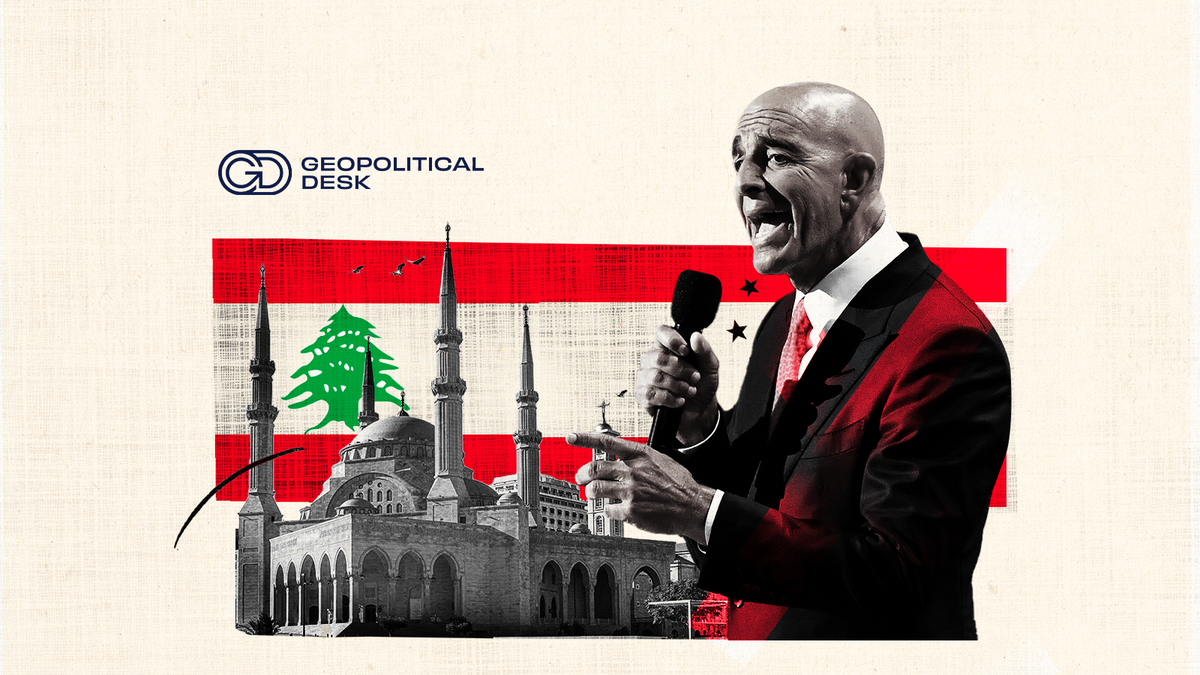
🇹🇳 Sonia Dahmani walks free, but Tunisia’s anger isn’t going anywhere
What happened: After 18 months in detention, Tunisia has released lawyer and commentator Sonia Dahmani, whose arrest became a national symbol of shrinking civic space. Her case galvanised activists, journalists and legal groups who framed her imprisonment as part of a wider assault on dissent.
