▸ 🇺🇸 The political aftershock of the Epstein files
▸ 🇮🇷 Escalation risk as U.S. assets build near Iran
▸ 🇧🇩 Bangladesh’s post-uprising consolidation
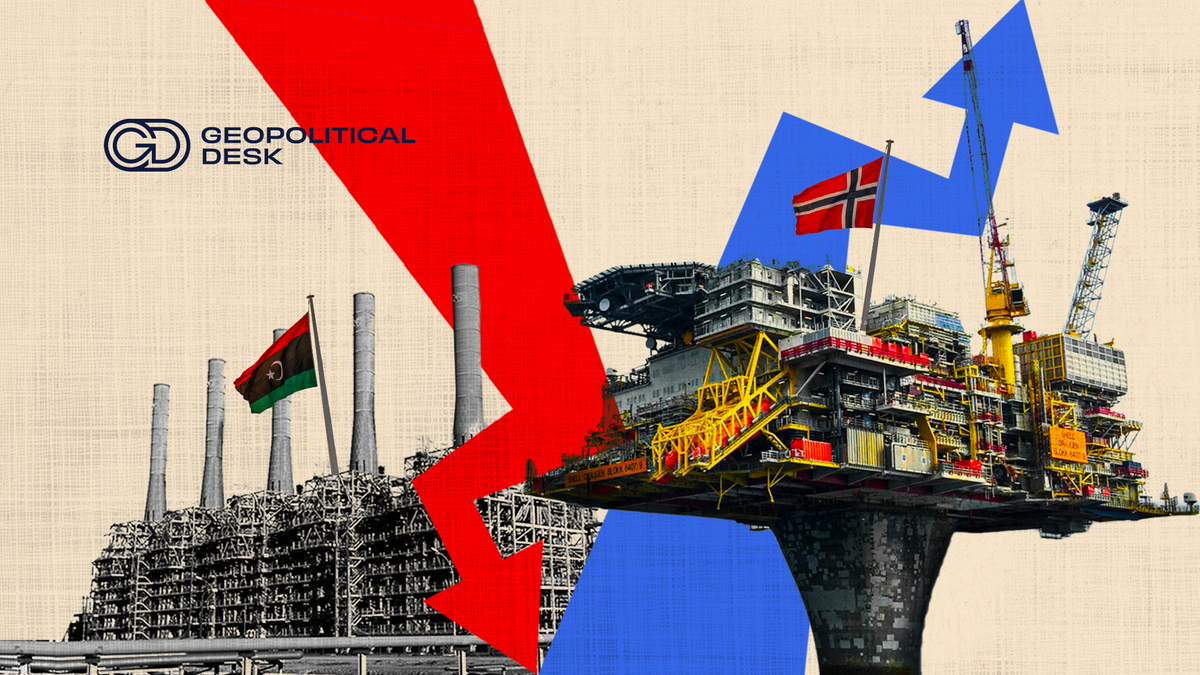
▸ 🇱🇾 Libya’s offshore energy window
If the U.S. were to attack Iran in the coming days, it would start to resemble a familiar pattern.
In early January, as the world awaited the release of a new batch of Epstein files and Washington bristled, the United States carried out a major military operation in Venezuela, striking military targets around Caracas and capturing President Nicolás Maduro and his wife.
That operation instantly shifted the media spotlight away from domestic controversy over the release of the Epstein files and onto an unprecedented international intervention, changing the conversation from scandal back to state power and foreign policy.
Now, with significant U.S. military forces deployed near Iran and senior commanders publicly warning of potential strikes to compel Tehran to meet stringent demands, the question arises again: will a looming confrontation in West Asia eclipse one of the most politically volatile stories in recent memory?
This week, we unpack not only the Epstein fallout but also the wider geopolitical backdrop within which Washington’s focus may pivot — as it has before — to an event that recasts the narrative from domestic reckoning to foreign conflict.
Let’s get into it.
The fight over the Epstein narrative
What happened: The release of nearly three million documents related to Jeffrey Epstein has confirmed the breadth of his crimes and the extent of his network among the rich and powerful worldwide. The revelations have been deeply disturbing. Yet they have not produced the expected institutional reckoning.
Why it matters: The Epstein issue has operated as a political Rorschach test since 2019. For the right, it validated suspicions of elite corruption. For the left, it symbolised entrenched impunity among wealth and power. Now that many of these suspicions have been validated, the response has been surprisingly muted. This is not due to a single cause, but reflects systemic conditions: a polarised electorate, weakened institutions, media fragmentation and a president who has cultivated an aura of political invulnerability. Even as the files appear to have harmed Donald Trump politically and angered elements of his base, they have not triggered broad institutional mobilisation.
What this means: The brief detention of former Prince Andrew Mountbatten-Windsor this week marks only the third arrest in the Epstein saga. Despite a number of high-profile resignations around the world, there have been no meaningful consequences to date. It remains to be seen whether Prince Andrew will face any either. The absence of a reckoning reflects the broader moment of institutional paralysis that the U.S. (and the Western world more generally) is traversing. While the files have “stuck,” in contrast to previous scandals that Trump was able to deflect, the long-term political consequences remain uncertain. In the United States, Democrats may benefit electorally, but whether any administration would possess the institutional capacity or political will to pursue structural accountability remains unclear. The result is a country that is politically reactive, yet structurally inert.
 The Geopolitical Desk
Did Bangladesh’s elections restore stability or defer crisis?
What happened: Bangladesh’s February 2026 parliamentary elections delivered a decisive two-thirds majority to the Bangladesh Nationalist Party (BNP), restoring elected authority after the 2024 uprising that removed Sheikh Hasina. Early indicators suggest improved administrative coherence and reduced short-term political risk.
Why it matters: The electoral mandate is clear, but the macroeconomic backdrop is fragile. Growth slowed to an estimated 3.3 percent in FY2025, down from 5.2 percent the previous year. Inflation has moderated but the budget deficit sits near 4.3 percent of GDP. Externally, Dhaka faces a delicate balancing act as relations with India are strained over the extradition dispute involving Sheikh Hasina. Meanwhile, Bangladesh is navigating U.S.–China strategic competition, including new trade arrangements with Washington and defence-technology cooperation with China.
What this means: The post-Hasina era does not represent systemic instability. Nor does it represent a clean reset. It offers a narrow but real window for stabilisation and reform. Execution will determine trajectory. The BNP must convert mandate into credible banking oversight, fiscal discipline, and anti-corruption enforcement For investors, the landscape blends caution with selective opportunity. Competitive labour costs and geographic positioning offer upside. But governance credibility will determine whether projected acceleration toward 5–6 percent growth materialises.
 The Geopolitical Desk
A narrow window for offshore transformation
What happened: The Eastern Mediterranean maritime agreement has opened a potential new frontier for Libya’s offshore oil and gas prospects. Estimates for the broader region suggest up to 107 billion barrels of oil and 122 trillion cubic meters of gas, though only exploration will determine what lies within Libya’s claimed zone.
Why it matters: Seen optimistically, the agreement could pave the way for political coordination between western and eastern authorities and produce a unified energy framework. Economic transformation would follow, including reduced flaring, grid upgrades and sovereign wealth stabilisation. However, not all that glitters is gold. If we take a pessimistic view - which, let's face it, is probably the safer bet in Libya - this will exacerbate already existing tensions. Rival governments will issue overlapping offshore licenses and legal uncertainty will deter investment. Libya would remain dependent on ageing onshore fields. Competitors such as Egypt, Israel, and Cyprus would consolidate their positions.
What this means: Libya’s offshore future is not a question of potential alone. The difference between the optimistic and pessimistic scenarios rests on three factors: political unification; sustained foreign investment; and geological reality. The maritime agreement can either become a turning point or another unrealised initiative overshadowed by fragmentation. In that sense, the next five years are critical. As far as political unification is concerned, the prospect of a potential breakthrough on Libya’s unified budget brokered by the U.S. is a promising sign. For policymakers and investors alike, however, the key variable is not headline reserves. It is whether Libya’s political actors treat offshore development as a shared national opportunity or as a tool of factional leverage.
 The Geopolitical Desk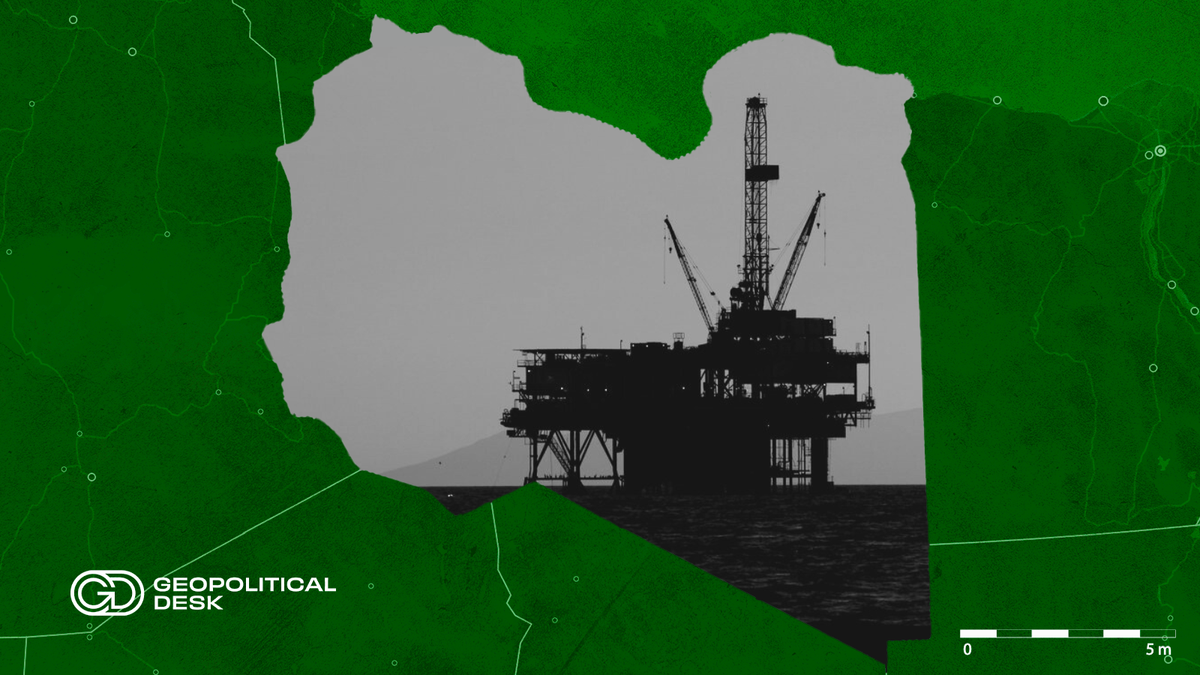
 The Geopolitical Desk