
▸ 🇮🇷 Regional escalation pathways in the U.S.-Israel-Iran war
▸ 🇺🇸 A quiet power struggle inside Trump’s foreign policy team
▸ 🇮🇱 Israel’s potential move toward annexation in southern Lebanon
▸ 🇱🇾 Belqasim Haftar and Libya’s failing economy
▸ 🇸🇦 Saudi Arabia’s growing influence in U.S. entertainment
Over the past week, the war between Israel, the U.S. and Iran has entered a more unstable phase.
U.S. and Israeli operations have intensified, Iran has increased missile activity across multiple fronts, and the regional operating environment is deteriorating rapidly.
NATO has begun drawing down from Iraq, while the UK’s potential involvement is adding a domestic political dimension in Europe, where anti-war pressure is already building.
At the same time, policy coherence in Washington appears increasingly strained. President Trump has signalled mutually incompatible positions within hours from each other, from pledging to “obliterate” Iran and reopen the Strait of Hormuz, to downplaying its strategic importance, to suggesting the conflict may soon wind down. That inconsistency is a variable in its own right.
On the ground, the risk of horizontal escalation is growing. Iran is signalling it may expand its targeting to Gulf states facilitating U.S. operations, while regional actors are quietly exploring side arrangements to secure shipping routes and limit exposure.
Markets are reacting unevenly. Oil disruption is commanding attention, but stress in other asset classes, including bonds and safe havens, suggests a more complex repricing of risk may be underway.
As attention remains fixed on Iran, other fault lines continue to unfold.
- In Washington, internal divisions are shaping foreign policy execution in real time
- Israel is signalling it may expand its objectives, including potential moves in southern Lebanon
- Libya’s fiscal trajectory is further distorting its economy
- Saudi Arabia is extending influence into U.S. entertainment
- And European officials are increasingly focused on Taiwan as a parallel risk theatre
Let’s get into it.
Trump’s foreign policy is being fought internally
What happened: A growing power struggle is unfolding inside Trump’s foreign policy team, with Steve Witkoff positioning himself to take a more prominent role in North Africa.
Why it matters: U.S. foreign policy is not being shaped through clear institutional channels. It is being contested between personalities with different priorities, networks and approaches. That creates volatility not just in decision-making, but in how policy is implemented on the ground.
What this means: The margin between stability and disruption remains thin. North Africa sits at the intersection of energy flows, migration routes and European security. Even marginal diplomatic shifts can move markets, particularly in energy markets. Mismanaged U.S. engagement could destabilise local arrangements at a time of heightened geopolitical risk. Conversely, a more coherent U.S. approach could unlock investment opportunities across hydrocarbons, infrastructure and regional trade.
Read the full analysis:
 The Geopolitical Desk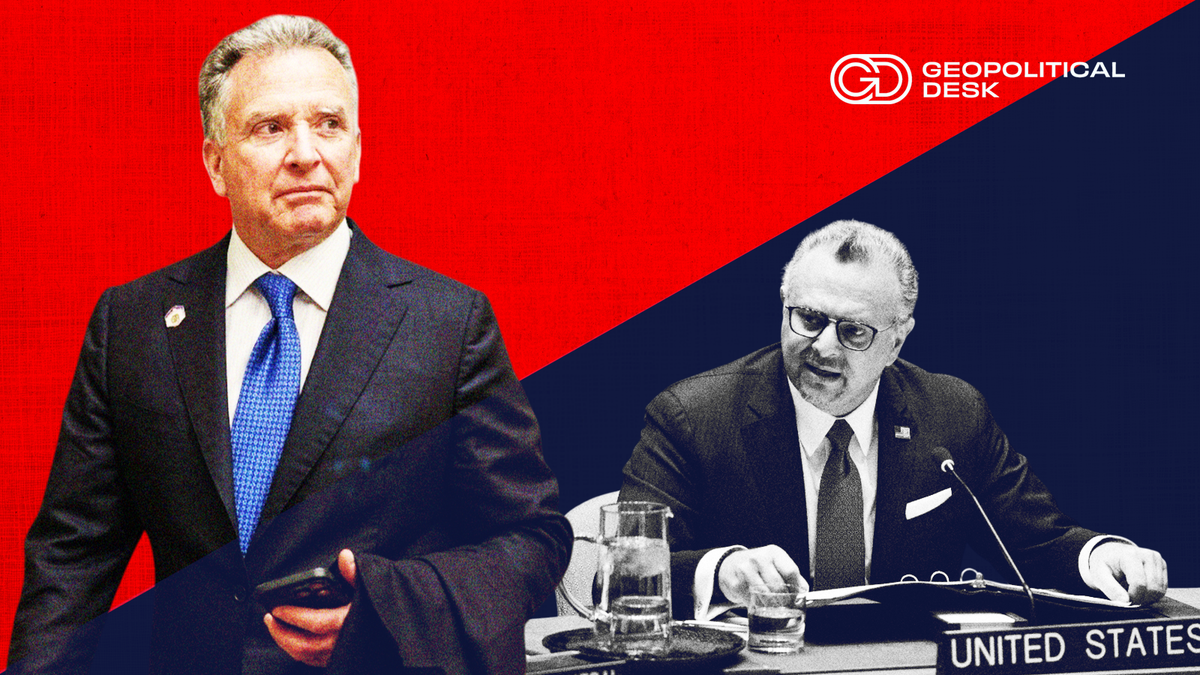
Exclusive: Israel may be preparing to annex parts of southern Lebanon
What happened: A European official has warned that Benjamin Netanyahu's government appears to be moving beyond military operations toward the potential annexation of territory in southern Lebanon.
Why it matters: This would mark a significant escalation. Annexation shifts the conflict from a security operation to a territorial project, with long-term regional implications. Unlike under Biden, where Washington occasionally sought restraint, the Trump administration is viewed as offering near-total political cover, with global backlash largely redirected at the U.S.
What this means: The key question is whether this remains contingency planning or evolves into policy. If it does, it would fundamentally alter the strategic landscape along Israel’s northern border and raise the risk of sustained regional confrontation.
Read the full article:
 The Geopolitical Desk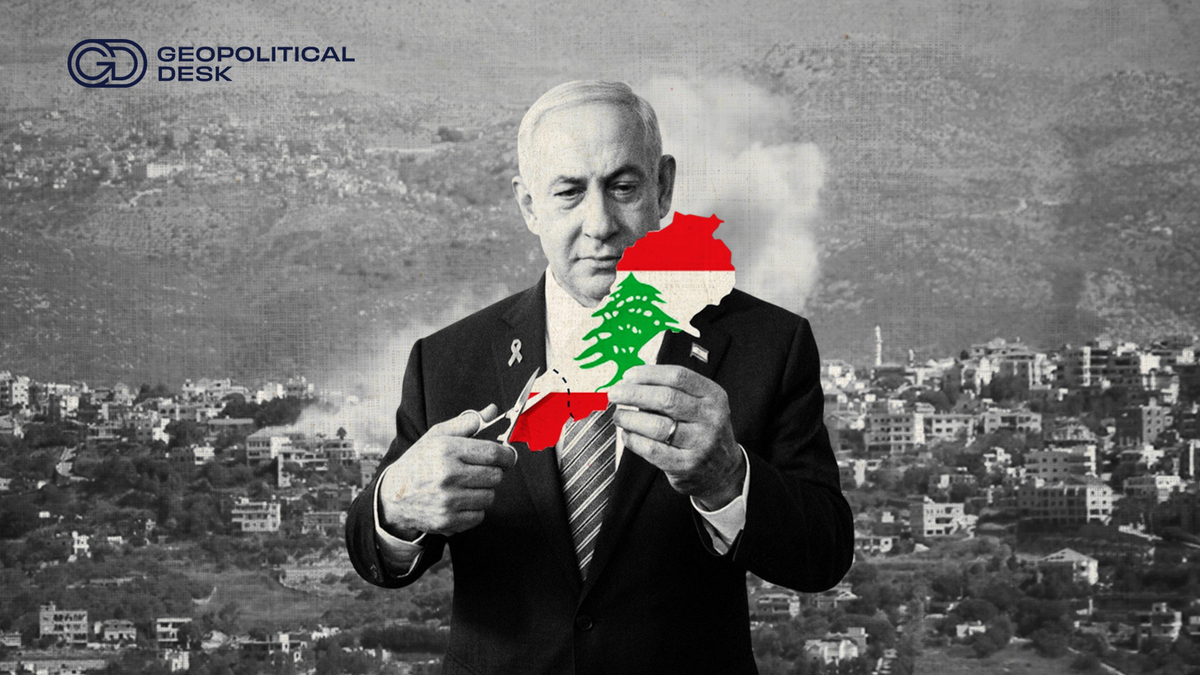
Belqasim Haftar’s spending spree is pushing Libya’s economy to the brink
What happened: Belqasim's Development and Reconstruction Fund is one of Libya’s largest state-backed development funds, but its expanding budget and opaque financial practices are damaging the economy and raising serious questions about its reliability as an international partner.
Why it matters: What began as a reconstruction effort in the aftermath of the Derna flooding disaster in 2023 is now evolving into one of the most powerful and least understood financial actors in the country. Its rise is not only reshaping how Libya spends, but how power itself is exercised through money.
What this means: Libya’s economic trajectory is increasingly tied to political incentives rather than reform. That makes structural correction unlikely without a shift in the underlying political settlement.
Read the full analysis:
 The Geopolitical Desk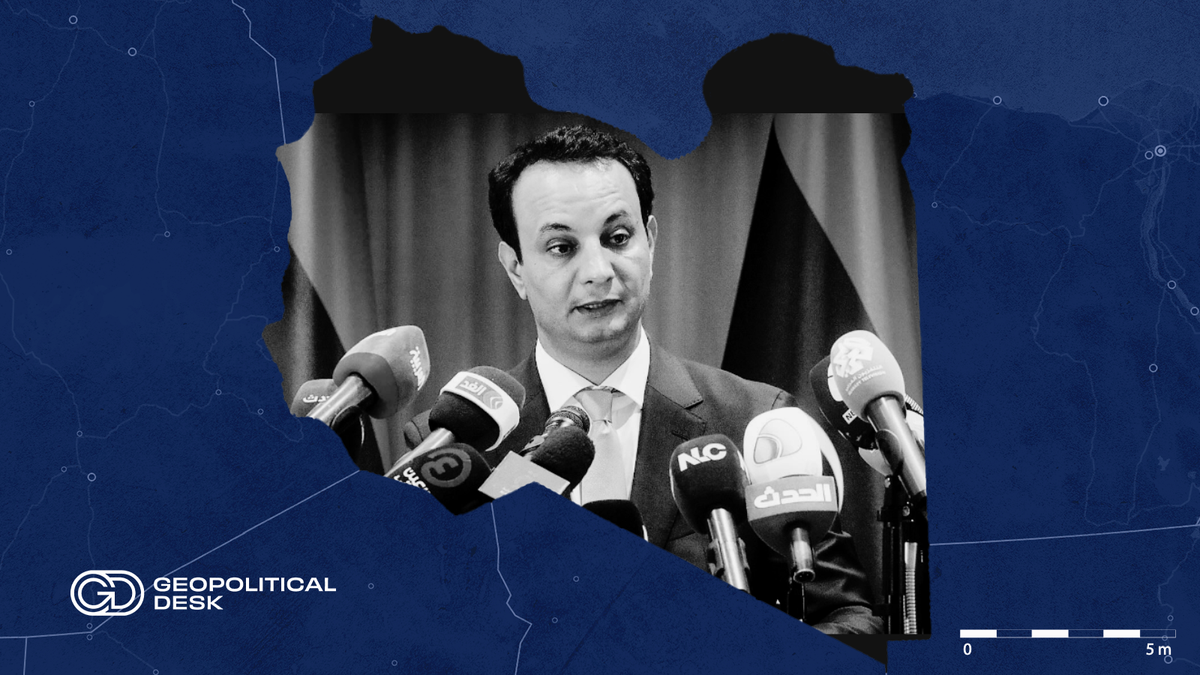
Saudi's growing role in U.S. entertainment
What happened: Saudi Arabia is deepening its role in U.S. entertainment and media, helping establish the Kingdom as a global player while strengthening its domestic capabilities.
Why it matters: One part of Saudi's investment strategy that has garnered significant international attention has been its acquisitions and growing stakes in technology and AI, particularly in terms of its role in the U.S. market. What has received comparably less attention has been the Kingdom’s investment strategy in cultural and entertainment industries, which has been as significant in quantity and in terms of the quality of its strategy.
What this means: Soft power is becoming a central pillar of Saudi strategy. The long-term impact may be less visible than traditional geopolitics, but no less significant. In the current context, where ongoing conflict is impacting the Gulf region and waning investor confidence in the immediate term, investing into creative and cultural industries may be a safer bet than other industries where operations are more directly impacted.
Read the full analysis:
 The Geopolitical Desk
Special Report: Iran escalation pathways
We also published a new Iran Desk report this week, based on source inquiries and scenario modelling. It examines how the U.S.–Israel–Iran conflict could evolve across multiple escalation pathways, and what that means for regional stability and energy markets.
This is the level of analysis we provide to Enterprise subscribers. If you would like to set up a free 30-day trial for your organisation, get in touch.
Explore the report:
 The Geopolitical Desk
As always, thank you for reading and for your continued support.
Feel free to reply with feedback or suggestions.
See you next week,
Oliver Crowley
Co-Founder, The Geopolitical Desk
P.S. Please forward this to anyone who might find it useful. If you’re reading this second-hand, you can sign up for our free newsletter here.
Professionals across energy markets, diplomacy, risk advisory and investment use GPD Intelligence to track geopolitical developments before they move markets.
If you find this coverage valuable, you can unlock the full Intelligence briefings and scenario analysis.
