With the overthrow of Bashar al‑Assad on December 8, 2024, the diplomatic cards in Syria have been completely reshuffled, ushering in a new phase of uncertainty and opportunity. In this context, the United States is subtly but significantly recalibrating its posture in northeast Syria.
Government of National Unity (GNU) Prime Minister Abdulhamid Dabaiba now likely feels confident enough to fight the Rada Special Deterrence Forces in Tripoli, but wants Rada to make the first move.
In this interview, investor and advisor Munder Shuhumi breaks down the opportunities and risks facing foreign investors in the GCC. From Saudi Arabia’s Vision 2030 to navigating local partnerships and due diligence, Shuhumi shares essential insights on doing business in the Gulf.
Central Bank of Libya (CBL) Governor Naji Issa is doing what he can to keep Libya’s economy functioning, but he is unable to stop the main issue of the growing budget deficit.
Despite sustaining major damage in its recent conflict with Israel, Iran played its weak card well and is now seeking to reinforce deterrence and preserve regime survival.
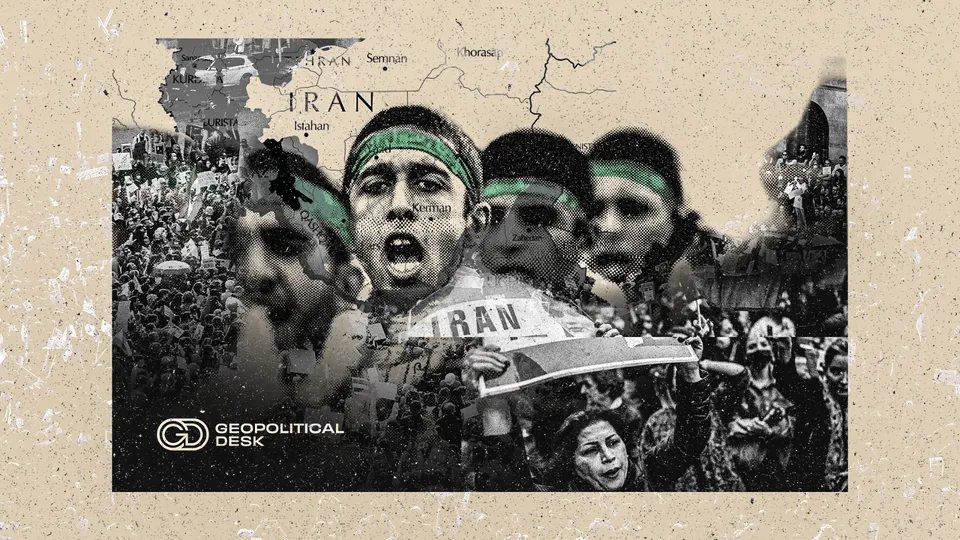
Amid mass arrests and a sweeping search for internal enemies, Iran’s leadership is doubling down on national unity. With questions swirling around succession and the regime’s survival instincts, this piece explores how Iran is managing post-conflict uncertainty.
Tehran is weighing diplomacy against strategic ambiguity, seeking to revive nuclear negotiations, rally the Global South and preserve regime survival without surrendering core redlines.
State collapse in Iran may not be the most likely outcome of the current war with Israel, but U.S. involvement and attempts at regime change could lead this way, thus triggering serious regional instability.